Optimal Timing for Loan Settlement Negotiations in India
Discover the Best Times to Successfully Settle Your Loans

Anuj Anand Malik
Reviewed by AMA Legal Solutions

Optimal Timing for Loan Settlement Negotiations in India
Understanding Loan Settlement
Loan settlement can be a daunting task if you're not familiar with the financial and legal parameters involved. It involves negotiating with financial institutions to settle for a lower payment than the outstanding loan amount. This process can significantly affect your financial standing and credit score. Hence, it's imperative to approach it strategically. The Reserve Bank of India (RBI) provides guidelines that banks follow for settlements, making it all the more crucial to understand the best time to approach them.
Why Timing Matters in Loan Settlement
The timing of your negotiation can be the difference between a favorable and unfavorable settlement. Banks and financial institutions review their loan books quarterly, aligning with their financial reporting. Specific periods within the year provide better negotiation leverage due to institutional priorities and fiscal cycles.
Quarter-End Reviews
Banks often conduct stringent reviews at the end of each financial quarter: March, June, September, and December. These periods are ideal for negotiations as banks are more open to settling non-performing loans (NPLs) to clear their books and present stronger financial statements to shareholders.
Annual Financial Year End
In India, the end of the financial year in March represents a critical period for negotiation. Banks are under pressure to reduce bad loans and improve their financial health. Thus, March 2026 could be an optimal month to strive towards negotiating loan settlements to achieve debt freedom.
Strategic Months for Loan Settlements
The best times of the year for loan settlement negotiations coincide with key fiscal quarters and other financial events. Below is a detailed analysis of why March 2026, among other periods, provides substantial opportunities for loan settlement:
First Quarter: January to March
End of Financial Year Pressure
As March marks the closing of the financial year, banks aim to clear NPLs from their books. Borrowers can leverage this to negotiate better terms as institutions aim to show healthier financials.
Second Quarter: April to June
Post-Assessment Eagerness
Post-review early in April shows banks what needs addressing from the previous year. They might be eager to quickly address leftover debts lingering from these assessments, offering a good settlement period.
Third Quarter: July to September
Mid-Year Adjustments
During this time, banks often adjust their financial strategies based on the first half of the year’s performance. This period offers an opportunity to push for settlements, especially if the banks are more risk-averse in preparation for the fiscal year-end.
Fourth Quarter: October to December
Year-End Financial Planning
As the calendar year closes, banks might be more inclined to settle loans to reflect a better end-of-year report. Many institutions begin crafting strategies for the coming year, making it critical to position your settlement during this planning phase.
Industry Trends Influencing Loan Settlement
Economic Factors
Globally, interest rates, inflation and economic growth rates influence bank policies on settlements. For instance, a rise in inflation might increase pressure on banks to settle old accounts to make way for new lending opportunities.
Regulatory Changes
Government policy changes can alter loan settlement landscapes. Keeping abreast with RBI updates can provide insights on favorable periods for negotiation.
Technological Advancements
With the advent of fintech, digital interfaces are transforming traditional banking, including loan settlements. Utilizing digital channels can streamline negotiations, providing borrowers with contemporary leverage.

Bank Compromise Settlement & Debt Relief
Steps to Negotiate Successfully
- Document Everything: Always keep records of correspondence with your bank or financial institution.
- Know Your Finances: Understanding your financial position gives creditors confidence in your proposals.
- Leverage Professional Help: Consult with experts, such as those offering loan settlement services to ensure your strategy aligns with industry norms.
- Timing and Patience: Approach your bank during the right period and prepare for your persistence.
- Understand Legal Implications: Awareness of legal ramifications is crucial for negotiations. Improper handling can lead to extended liabilities.
- Negotiation Skills: Utilize effective negotiation tactics, such as highlighting your consistent repayment record and understanding the bank’s current financial position.
Legal Considerations and Support
Understanding the legal aspects of loan settlements is critical. Engaging in settlements without proper legal advice can have ramifications. It’s beneficial to cooperate with a legal firm that specializes in banking and finance for authoritative guidance. Furthermore, legal intricacies concerning property can often intersect with financial loans, making it essential to consider firms experienced in real estate, arbitration, and civil matters.
Key Legal Documents in Loan Settlements
When negotiating a loan settlement, being in possession of or having access to the following documents can be invaluable:
- Loan Agreement: Contains all the terms and conditions agreed upon initially, useful in understanding settlement terms.
- Loan Statements: Show payment history, helping highlight issues like excessive fees or incorrect interest calculations.
- Settlement Agreement: The final agreement should outline the terms clearly, ensure it is legally vetted.
- Correspondence Records: Provides a track of all discussions and offers made during the negotiation process.
- Power of Attorney: If employing a third-party negotiator, empowering them legally will facilitate the negotiation.
How Global Market Conditions Affect Indian Loan Settlements
International Markets' Influence
India's economic conditions do not exist in isolation. Global market trends, particularly in major economies like the US and China, can have a ripple effect on the Indian banking sector's approach to loan settlements.
The Impact of Exchange Rates
Fluctuating exchange rates can alter the cost of money for banks, affecting their willingness to settle bad debts. A weaker rupee might compel banks to expedite clearing non-performing assets (NPAs).
Conclusion: Prepare for a Debt-Free Future
Effective loan settlement can relieve financial stress and lead you towards a debt-free life. March 2026 is an opportune time for many, given the fiscal pressures banks face at year-end. By leveraging the strategic timing, engaging professional support, and being well-prepared, you can enhance the likelihood of achieving a favorable settlement.
For expert advice and support on your loan settlement journey, consider reaching out to AMA Legal Solutions for comprehensive guidance and services.
Future-Proofing Your Financial Stability
Bank on this settlement to hone your financial literacy further. Post-settlement, invest time in financial planning to avoid future debt spirals. Build an emergency fund, diversify income streams, and stay informed about financial markets to keep future borrowing in check.
Need Strategic Legal Defense for Your Situation?
Our banking & litigation advocates review your notices, debt liability, and recovery issues under complete advocate-client secrecy.

AMA Legal Solutions
Trusted with a 4.7 Google Rating, over 10,000+ Clients Served, 25,000+ Cases Handled, and more than 40+ Years of Experience in providing strategic legal defense and debt resolution across India.
Our media coverages





Client Reviews
"AMA Legal Solutions turned my overwhelming debt situation into a manageable one. Grateful for their support during negotiations."
Pooja Mehra
"Thanks to AMA Legal Solutions, I navigated the challenging settlement process with ease. Highly recommend them for financial disputes."
Sneha Sharma
"I was impressed by the team's professionalism at AMA Legal Solutions while dealing with my loan settlements. Their strategic advice was spot on."
Rajesh Kumar
"AMA Legal Solutions provided invaluable insights into my loan settlement process. Their expertise helped me clear my debts efficiently."
Amit Patel
"The team’s insight into the financial year-end impact on settlements was a game changer in my case. Thank you, AMA Legal Solutions!"
Vikram Singh
Frequently Asked Questions
Related Articles
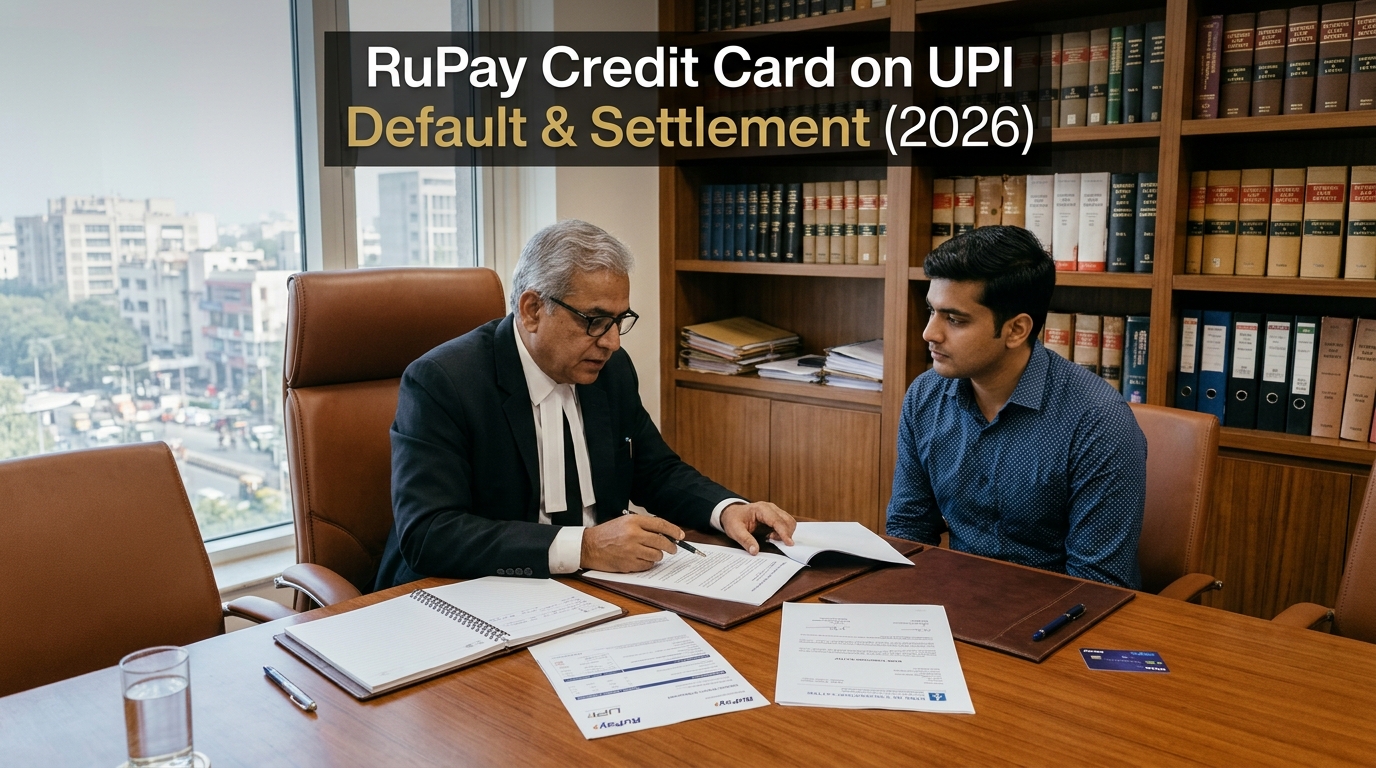
RuPay Credit Card on UPI Default & Credit Line on UPI Settlement (2026)
Micro-transactions on RuPay UPI Credit Cards and pre-approved 'Credit Lines on UPI' have triggered a massive wave of 42%+ APR revolving debt traps. Find out if defaulting blocks your personal savings UPI and how to settle RuPay UPI credit dues for 30%–50%.
Read Article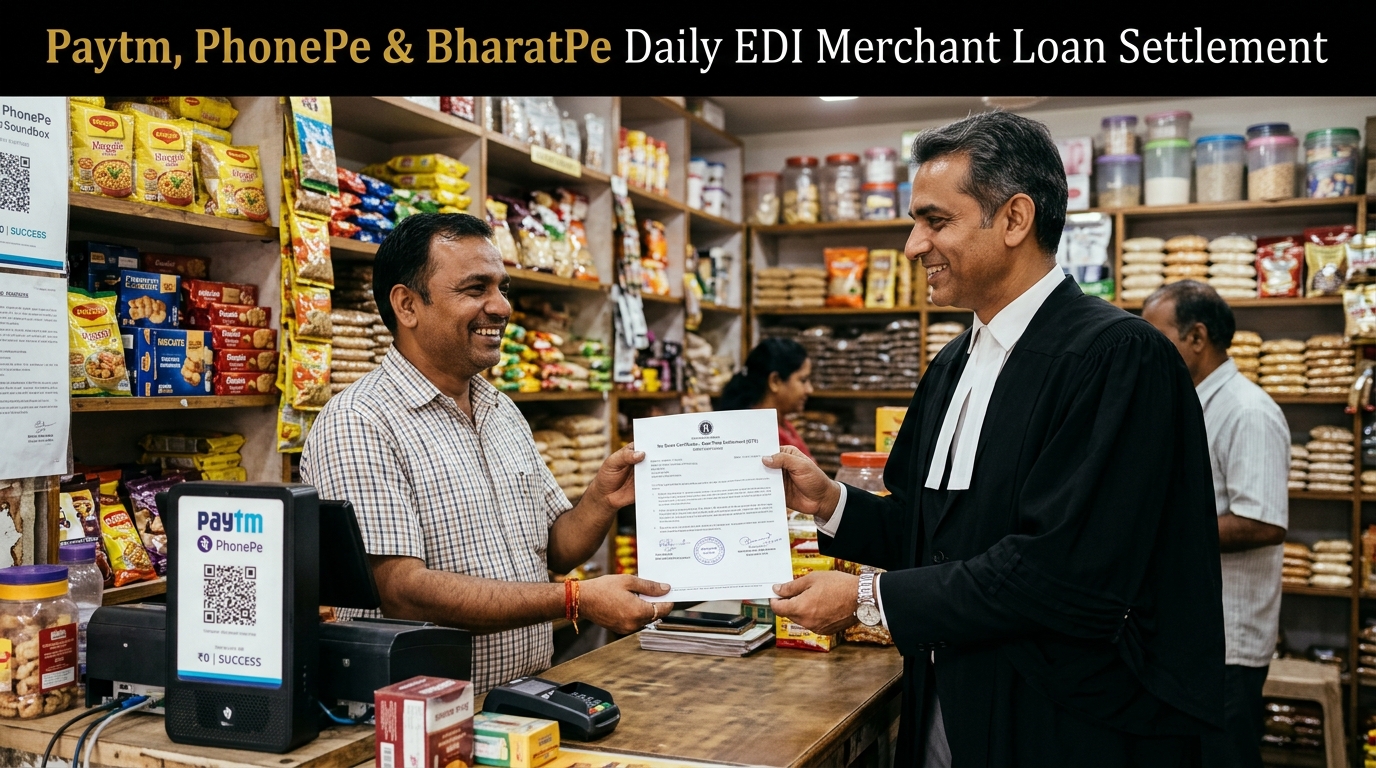
Paytm, PhonePe & BharatPe Daily EDI Merchant Loan Settlement (2026)
Drowning in Equated Daily Installment (EDI) merchant loans where 100% of your daily QR Soundbox collections are auto-swept before you can pay suppliers or rent? Learn how retail shopkeepers and MSMEs legally halt QR sweeps and negotiate a 50%+ OTS.
Read Article
Can Bank or Loan App Remotely Lock Phone for EMI Default? RBI Rules (2026)
An investigative breakdown of RBI's Remote Device Locking Directions—explaining why lenders cannot lock your phone for personal loans, the mandatory 30/60 DPD safeguards on financed devices, the Rs. 250/hour delay penalty, and how to settle device & app loans.
Read ArticleAbout Author
Anuj Anand Malik
View ProfileAnuj Anand Malik, Founder of AMA Legal Solutions, is a trusted advocate, loan settlement expert, legal advisor, and banking lawyer. With over a decade of experience in loan settlement, corporate law, financial disputes, and compliance, he leads a result-driven law firm based in India that helps individuals, startups, and businesses achieve legal and financial stability.
Connect on LinkedInNeed Legal Representation?
Evaluate your defense against recovery agents, notices, or structure your loan settlement directly with Senior Advocates.
Call +91-8700343611