5 Signs Your Bank is Using Illegal Recovery Tactics
Recognize and protect yourself from unlawful bank practices

Anuj Anand Malik
Reviewed by AMA Legal Solutions

5 Signs Your Bank is Using Illegal Recovery Tactics
In recent times, the financial landscape has seen a considerable increase in the misuse of debt recovery techniques by banks. Due to mounting pressures, banks, unfortunately, may resort to illegal recovery tactics that put borrowers in distress. Understanding these illicit methods is critical in counteracting them. It's crucial for borrowers to stay informed about their rights and be vigilant in identifying these unscrupulous practices. This article delves into the five major signs your bank might be resorting to illegal recovery tactics, how you can protect yourself, and the broader implications these practices have on the financial system.
Understanding Illegal Recovery Tactics
Illegal recovery tactics not only breach legal protocols but also instill fear and anxiety among borrowers. These tactics could involve harassment, threats, and even deceitful practices aimed at collecting debt by bypassing established norms and rights. Such methods are not only exploitative but often verge on criminal actions, with implications that extend beyond individual borrowers to the integrity of banking institutions as a whole.
The Legal Framework: An Overview
The legal framework governing debt recovery in India is codified under various laws and regulations, including the Reserve Bank of India's guidelines, the Consumer Protection Act, and the Banking Codes and Standards Board of India (BCSBI) protocols. These laws collectively aim to safeguard consumer rights while ensuring that banks can perform their duties within an ethical and legal framework. A comprehensive understanding of these laws is essential for both borrowers and financial professionals to distinguish between lawful and unlawful debt collection practices.
1. Harassment Through Unsolicited Calls and Visits
Frequent, unsolicited calls or personal visits at odd hours are significant red flags. According to the guidelines set by the Reserve Bank of India (RBI), banks are not allowed to harass borrowers through continuous and unnecessary communication. Such tactics can lead to immense stress and mental health issues, further exacerbating the borrower’s financial troubles.
- Key Indicators: Calls before 8 AM or after 7 PM, use of abusive language, issuing threats.
- Actions: Record call logs, retain message evidence, and report the abuse to the RBI's ombudsman.
- Legal Precedent: Refer to past cases where banks have faced penalties for such practices, enhancing your defense strategy.
2. Disclosure of Debt to Unauthorized Parties
Confidentiality is a cornerstone of banking transactions. If a bank discloses your financial obligations to your friends, family, or employers without your explicit consent, it violates your privacy rights. Under the Data Protection Laws in India, this is considered an infringement, leading to potential reputational damage and undue embarrassment for the borrower.
- Warning Signs: Colleagues or acquaintances inquiring about your debts without your prior disclosure.
- Remedy: File a complaint with the Banking Ombudsman or approach cyber legal experts at AMA Legal Solutions for expertise on data protection violations.
- Statutory Remedies: Explore compensation claims under violation of data protection laws.
3. Threatening Behavior or Physical Intimidation
Debt recovery agents acting in a threatening manner, either physically or verbally, breach the protocols set by the Banking Codes and Standards Board of India (BCSBI). Such intimidating behavior not only infringes on personal safety but could also constitute actionable offenses under criminal law, inviting legal proceedings against the erring individuals and the bank.
- Visible Signs: Verbal threats, blocking access to your property, use of physical force.
- Next Steps: Document the incidents meticulously, secure witness statements if possible, and consider seeking assistance from criminal law experts.
- Documentary Evidence: Gather photographic or videographic evidence if feasible to support your case.
4. Misrepresentation and Fraudulent Practices
Misleading consumers about the consequences of non-payment or exaggerating about legal actions could classify as fraudulent under the Consumer Protection Act, 2019. Deceptive recovery practices can lead to erroneous financial decisions and cause legal complications for the borrower.
- Spotting Frauds: Receiving incorrect legal notices, false claims of lawsuits, and wrongful imposition of service charges.
- Counteraction: Consult with loan settlement advisors to verify the authenticity of claims and strategize your defense.
- Consumer Court: Approach consumer courts for redressal if you are subjected to misleading practices.
5. Use of Coercive Legal Measures
While banks can legally pursue debt recovery through specific channels like the Debt Recovery Tribunal (DRT), misuse or overreach in legal measures reflects illegal intent. Unauthorized garnishee proceedings or confiscation of assets without due process can cause financial disruption and contravene legal norms.
- Identifying Red Flags: Sudden bank account seizures and unauthorized limitations on your property.
- Legal Recourse: Engage with arbitration services for expert legal guidance and initiate protective legal actions.
- Judicial Precedents: Study past judicial stances on such overreach to build a robust case.
Steps to Protect Yourself from Illegal Recovery Tactics
Awareness is the first step towards protection. Here’s how you can shield yourself from illegal recovery processes, ensuring both your rights and peace of mind are upheld:
- Know Your Rights: Familiarize yourself with the RBI guidelines, the banking code, and relevant consumer protection laws to safeguard against illegal recovery attempts.
- Keep Evidence: Document every interaction with recovery agents – including call logs, written communications, and personal visits.
- Seek Legal Advice: Consult with legal professionals such as AMA Legal Solutions for specialized banking and finance legal assistance.
- Report Misconduct: Utilize the complaint channels provided by the RBI for reporting unethical practices, ensuring that your grievances are formally acknowledged and addressed.
- Community and Support Groups: Join debtor support groups to share experiences and strategies in dealing with recovery harassment.

Halt Recovery Agent Harassment Legally
The Wider Impact of Illegal Recovery Practices
Illegal recovery practices not only damage individual borrowers but also undermine the financial ecosystem. Such practices contribute to a loss of trust in banking institutions and can have severe repercussions on the sector's integrity and stability. The banking sector’s reputation hinges on ethical practices, and lapses in adherence can invite stricter regulatory scrutiny, impacting its operational flexibility.
Conclusion
It's pivotal for borrowers to remain informed and vigilant about their rights and the lawful processes involved in debt recovery. Unauthorized recovery practices not only infringe on individual rights but also erode trust in the banking system. If you suspect that you're subjected to any illegal recovery tactics, taking swift action is crucial. Consider reaching out to AMA Legal Solutions to safeguard your legal rights and explore suitable remedies. Vigilance, timely action, and a thorough understanding of your rights can prevent harassment and ensure justice in financial dealings, thus securing both personal and sectorial financial integrity.
Need Strategic Legal Defense for Your Situation?
Our banking & litigation advocates review your notices, debt liability, and recovery issues under complete advocate-client secrecy.
AMA Legal Solutions
Trusted with a 4.7 Google Rating, over 10,000+ Clients Served, 25,000+ Cases Handled, and more than 40+ Years of Experience in providing strategic legal defense and debt resolution across India.
Our media coverages





Client Reviews
"Efficient legal service in handling unauthorized asset seizures by banks."
Sunil Patel
"Expert advice on banking and finance laws. Highly recommend for legal protection."
Neha Bajaj
"AMA Legal Solutions helped me fight against my bank's unethical recovery tactics efficiently."
Rajesh Kumar
"Very knowledgeable and professional, they clarified my rights and guided me legally."
Priya Sharma
"Great service, helped in resolving issues with misleading bank recovery calls."
Ankit Verma
Frequently Asked Questions
Related Articles
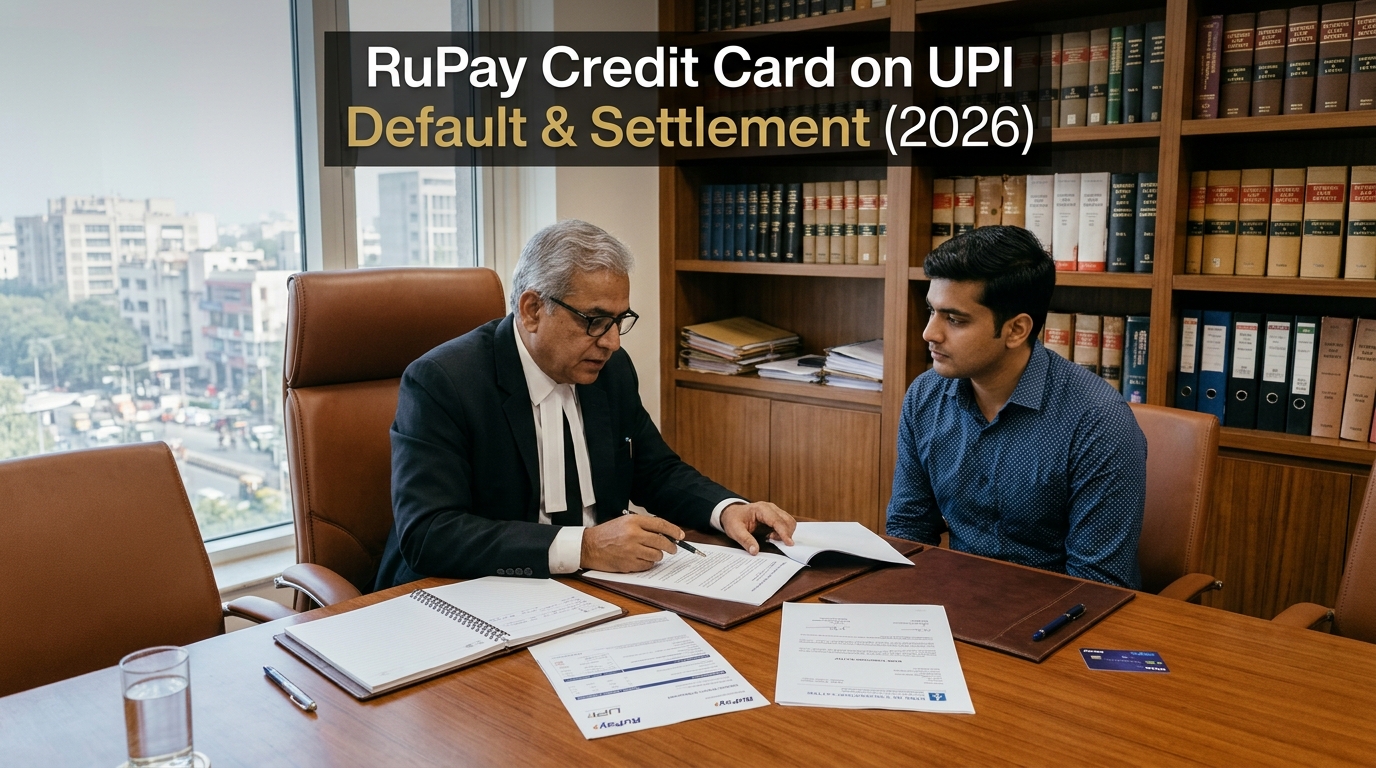
RuPay Credit Card on UPI Default & Credit Line on UPI Settlement (2026)
Micro-transactions on RuPay UPI Credit Cards and pre-approved 'Credit Lines on UPI' have triggered a massive wave of 42%+ APR revolving debt traps. Find out if defaulting blocks your personal savings UPI and how to settle RuPay UPI credit dues for 30%–50%.
Read Article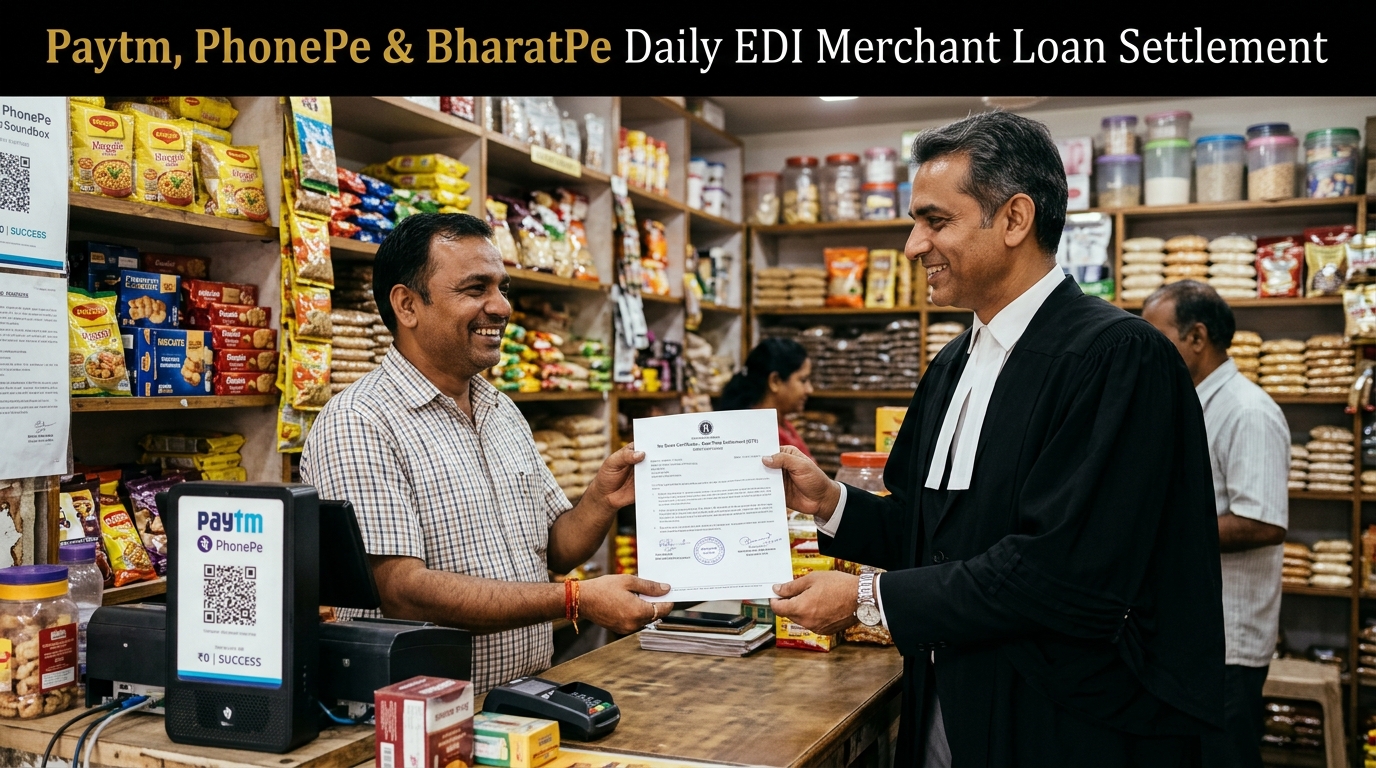
Paytm, PhonePe & BharatPe Daily EDI Merchant Loan Settlement (2026)
Drowning in Equated Daily Installment (EDI) merchant loans where 100% of your daily QR Soundbox collections are auto-swept before you can pay suppliers or rent? Learn how retail shopkeepers and MSMEs legally halt QR sweeps and negotiate a 50%+ OTS.
Read Article
Can Bank or Loan App Remotely Lock Phone for EMI Default? RBI Rules (2026)
An investigative breakdown of RBI's Remote Device Locking Directions—explaining why lenders cannot lock your phone for personal loans, the mandatory 30/60 DPD safeguards on financed devices, the Rs. 250/hour delay penalty, and how to settle device & app loans.
Read ArticleAbout Author
Anuj Anand Malik
View ProfileAnuj Anand Malik, Founder of AMA Legal Solutions, is a trusted advocate, loan settlement expert, legal advisor, and banking lawyer. With over a decade of experience in loan settlement, corporate law, financial disputes, and compliance, he leads a result-driven law firm based in India that helps individuals, startups, and businesses achieve legal and financial stability.
Connect on LinkedInNeed Legal Representation?
Evaluate your defense against recovery agents, notices, or structure your loan settlement directly with Senior Advocates.
Call +91-8700343611