Mastering 4 Budgeting Methods for a Debt-Free Life
Practical strategies to manage finances and achieve financial freedom.

Anuj Anand Malik
Reviewed by AMA Legal Solutions
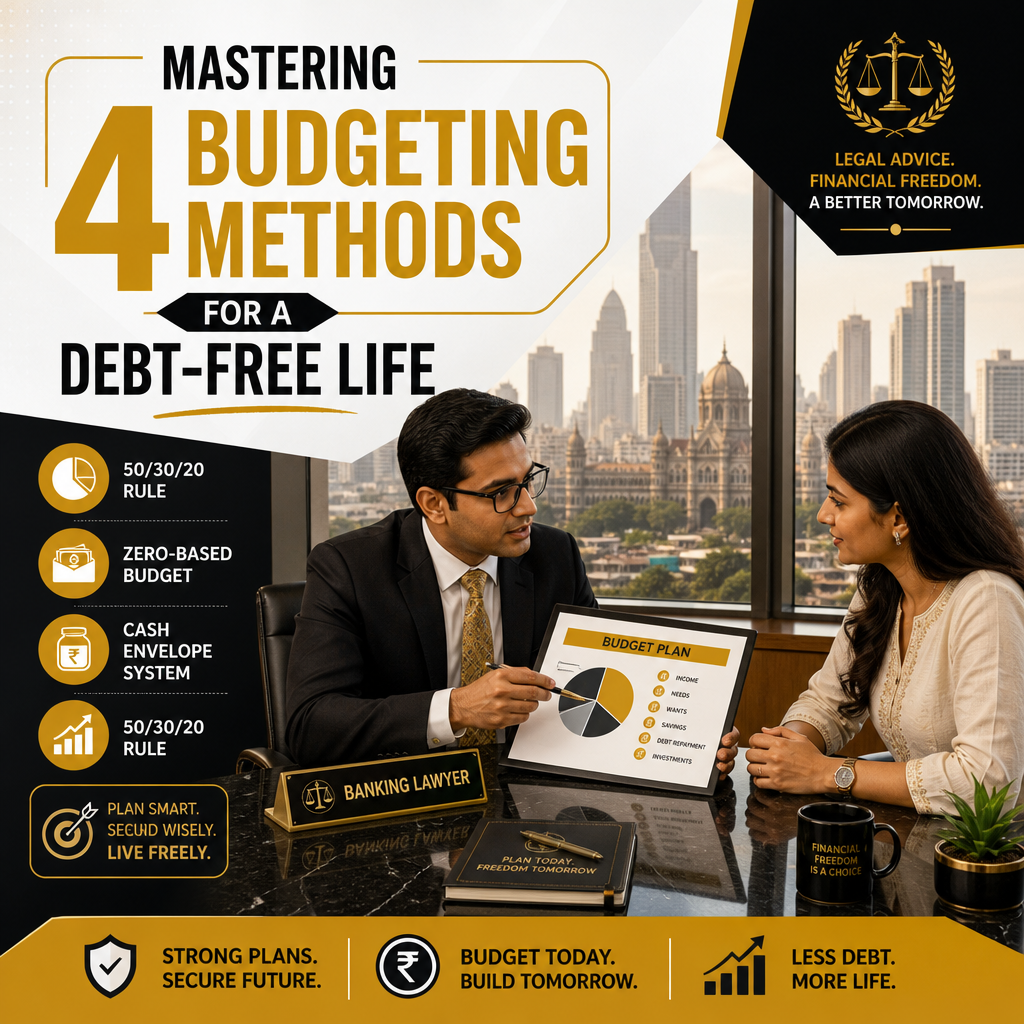
Key Takeaways: Budgeting is a vital tool for debt reduction, enabling individuals to allocate funds effectively towards necessities, wants, and savings. The 50/30/20 rule offers a balanced approach to financial planning. Proper budgeting enhances financial stability, reduces stress, and improves creditworthiness, making it a cornerstone of achieving a debt-free life.
Understanding the Importance of Budgeting for Debt Management
Effective budgeting is crucial in managing and alleviating debt. By creating a well-structured budget, individuals can gain clarity on their financial situation, prioritize essential expenses, and allocate funds towards debt repayment. This systematic approach prevents overspending and ensures that individuals live within their means, ultimately fostering a debt-free lifestyle.
The Role of Budgeting in Debt Reduction
Budgeting acts as a financial roadmap, guiding individuals in making informed decisions. It helps in identifying non-essential expenditures, which can be redirected towards paying off debts more efficiently. The disciplined allocation of resources can reduce financial stress and enhance creditworthiness over time.
Benefits of a Structured Budget
- Prioritization of Expenses: A budget allows individuals to distinguish between needs and wants, focusing on paying essential bills first.
- Improved Cash Flow Management: By tracking income and expenses, individuals can ensure that they have sufficient funds to cover debts without falling short.
- Enhanced Savings: Budgeting enables setting aside funds for emergencies, preventing future debt accumulation.
For those overwhelmed by debt, considering professional loan settlement services can be beneficial. Additionally, individuals may explore banking and finance law resources for further guidance on managing their financial obligations.
Exploring the 50/30/20 Rule: A Balanced Approach
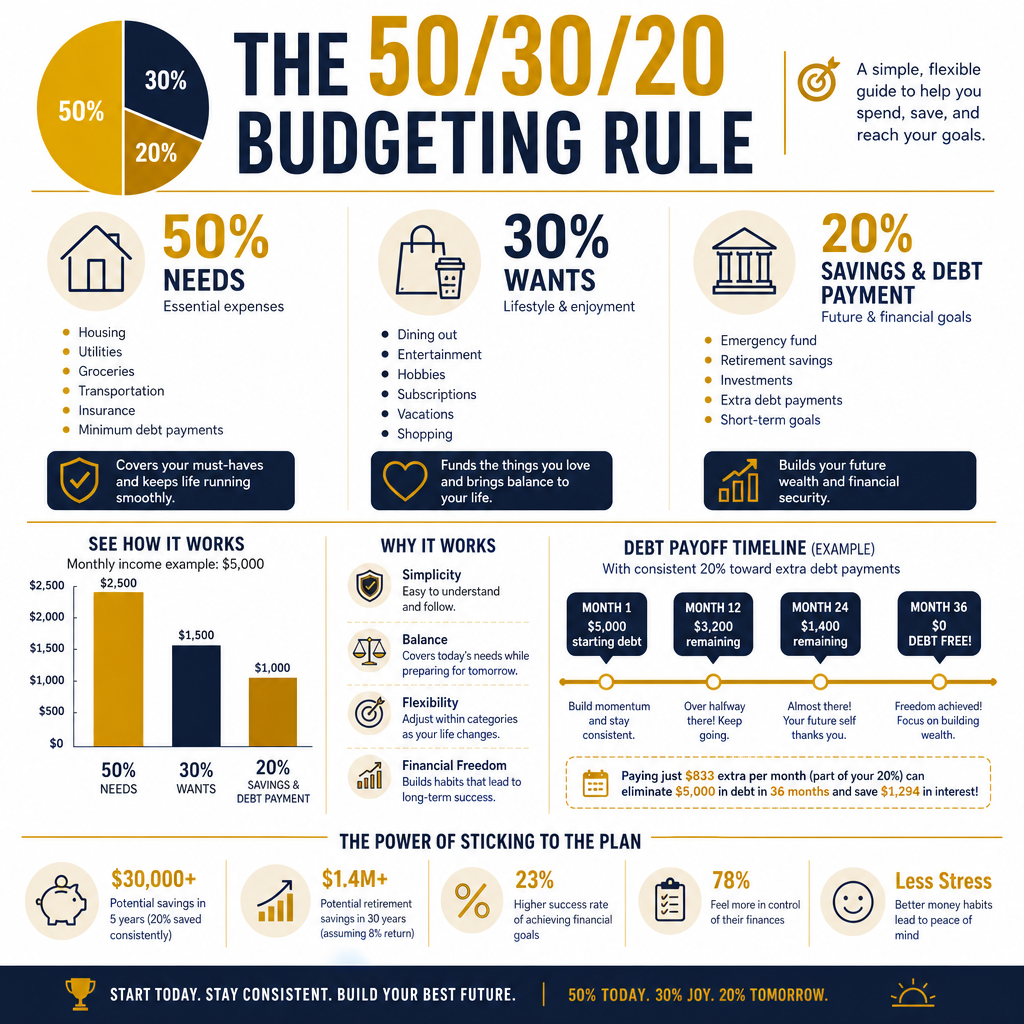
The 50/30/20 rule is a popular budgeting method that simplifies financial planning into three main categories. This formula divides your income into 50% for necessities, 30% for wants, and 20% for savings and debt repayment. This approach helps maintain a balanced lifestyle while ensuring debt reduction and savings growth. It's particularly beneficial for those striving for a debt-free life. By adhering to this rule, individuals can achieve financial stability without feeling deprived of personal enjoyment.
How the 50/30/20 Rule Works
- Necessities (50%): Allocate half of your income to essential expenses like rent, utilities, groceries, and transportation.
- Wants (30%): Spend 30% on non-essential items such as dining out, entertainment, and hobbies.
- Savings and Debt Repayment (20%): Use the remaining income towards savings accounts and reducing debt obligations.
Implementing this method can effectively assist in managing financial commitments and ensuring consistent savings. For individuals facing loan recovery or financial stress, this technique can be a stepping stone towards stability. Consult with a professional for Loan Settlement Services if debt obligations require structured negotiation.
| Parameter / Criterion | Key Details / Legal Provision | Timeline / Practical Impact |
|---|---|---|
| Necessities | 50% allocation covers rent, groceries, and essential bills. | Monthly budgeting ensures essential needs are met consistently. |
| Wants | 30% allocation for leisure and lifestyle preferences. | Monthly, providing flexibility and personal satisfaction. |
| Savings & Debt Repayment | 20% goes towards building savings and clearing debts. | Monthly, contributing to long-term financial health. |
| Overall Financial Management | This rule supports a balanced financial approach reducing debt and increasing savings. | Long-term, enhancing financial stability over time. |
Adopting the 50/30/20 rule complements a structured financial plan, aiding in debt management and long-term savings goals. For detailed guidance, consider consulting professionals in Banking and Finance Law to align budgeting strategies with legal obligations and financial reforms.
Zero-Based Budgeting: Allocating Every Rupee with Purpose
Zero-Based Budgeting is a powerful tool for those seeking financial discipline. This method ensures every rupee is accounted for, leaving no room for frivolous spending. At the start of each month, you allocate your income to various categories such as necessities, savings, and debt repayment until every rupee is assigned a purpose.
Steps to Implement Zero-Based Budgeting
- List Income Sources: Begin by identifying all income sources to determine your total monthly earnings.
- Detail Expenses: Categorize expenses into essentials like rent, groceries, and loan settlements.
- Allocate Every Rupee: Assign funds to each category, ensuring that total allocations match your income.
- Adjust as Needed: Continuously monitor and adjust allocations to respond to changing circumstances.
This budgeting method allows borrowers, such as salaried individuals and MSMEs, to focus on debt reduction and financial freedom. By practicing disciplined financial management, you can prevent defaults and avoid the stress of banking litigations. Implementing Zero-Based Budgeting can be the first step towards a debt-free life, particularly for those who face recovery calls or arbitration notices.
The Envelope System: Tangible Control Over Spending
The Envelope System is a time-tested budgeting method that provides a hands-on approach to managing expenses and maintaining financial health. Unlike digital budgeting tools, this method uses physical envelopes to allocate cash for different expense categories, offering a tactile and visual representation of spending limits. This system is particularly effective for individuals seeking structured financial control, especially when grappling with debt issues.
How It Works
Begin by identifying your expense categories such as groceries, utilities, and entertainment. Allocate a set amount of cash to each category at the start of the month, placing the cash in labeled envelopes. Once an envelope is empty, spending in that category must stop unless you adjust funds from another envelope. This encourages disciplined spending and highlights areas where overspending occurs, empowering you to make necessary adjustments.
- Benefits: Provides immediate feedback on spending habits.
- Limitations: Not ideal for expenses paid electronically.
The Envelope System can be a powerful tool for those aiming to achieve a debt-free life as it enforces spending discipline. It's also beneficial when combined with professional financial advice, especially in complex situations involving debt restructuring. Explore our Debt Consolidation & Restructuring services for more insights into managing debt effectively.
Priority-Based Budgeting: Focusing on Essential Expenses
Priority-based budgeting is an effective method to allocate your finances by emphasizing essential expenses. This approach requires identifying and prioritizing the most critical expenditures that sustain your basic needs. By categorizing expenses into essential and non-essential, you ensure that your resources are allocated optimally.
Steps to Implement Priority-Based Budgeting
- List all your expenses and classify them as essential or non-essential. Essentials include housing, food, utilities, and healthcare.
- Allocate funds to essential expenses first. Ensure these are fully covered before considering discretionary spending.
- Regularly review and adjust your budget to reflect changes in income or living conditions.
This method not only helps in maintaining a disciplined financial lifestyle but also avoids unnecessary debt accumulation. For individuals struggling with loans, priority-based budgeting can be a game changer, particularly when considering Loan Settlement Services or seeking advice on Debt Consolidation & Restructuring. By focusing on essentials, you are better prepared to deal with unexpected financial challenges, thus moving towards a debt-free life.
Comparison of Budgeting Methods: Which Suits Your Lifestyle?
Understanding different budgeting methods helps tailor financial management to individual lifestyles. Whether you're a salaried individual, a business owner, or someone facing loan defaults, choosing the right method is crucial for a debt-free life. Below is an insightful comparison of four budgeting techniques, each suited to diverse financial situations.
1. Zero-Based Budgeting
This method requires you to allocate every rupee of your income towards expenses, savings, or debt payments until your budget equals zero. It's ideal for those who want detailed oversight of their finances. However, it requires discipline and regular tracking.
2. Envelope System
For those who struggle with overspending, the envelope system is beneficial. By placing cash for different categories in envelopes, you limit spending to the cash available. It's particularly suitable for individuals who prefer tangible control over their expenditures.
3. 50/30/20 Rule
A simpler method, dividing income into needs (50%), wants (30%), and savings/debt repayment (20%), it's suited for those who prefer a balanced approach without detailed tracking. Suitable for a wide audience, it's less rigid than other methods.
4. Priority-Based Budgeting
Ideal for those facing urgent financial challenges, this method prioritizes debt reduction and essential expenses over discretionary spending. It aligns with short-term goals and is adaptable during financial stress, offering immediate relief for debt concerns.
| Parameter / Criterion | Key Details / Legal Provision | Timeline / Practical Impact |
|---|---|---|
| Zero-Based Budgeting | Allocates every rupee to expenses or savings | Requires monthly adjustments |
| Envelope System | Cash-based spending limitations | Immediate control on spending |
| 50/30/20 Rule | Distributes income into needs, wants, and savings | Offers a balanced approach over time |
| Priority-Based Budgeting | Focuses on essential expenses and debt reduction | Short-term financial relief |
For borrowers navigating debt challenges, exploring different budgeting methods can significantly impact financial recovery. Additionally, consulting a professional service like Loan Settlement Services can provide tailored strategies for managing debt effectively.
Key Insights & Data Infographic
Visual summary, statistical trends & procedural breakdown
Prepared by AMA Legal Solutions Research & Analytics Team • Data & Compliance Overview

Halt Recovery Agent Harassment Legally
Key Steps to Implementing a Budgeting Plan
Successfully implementing a budgeting plan requires a structured approach tailored to your financial situation. Begin by assessing your income sources and listing all monthly expenses to understand your financial landscape. This initial step is pivotal in identifying potential areas for cost-cutting and prioritizing debt repayments.
Track Your Spending
Keep a daily record of all expenditures. Utilize apps or an old-school ledger to categorize expenses. This will provide insight into spending habits, allowing for informed adjustments and savings allocations. Consider exploring loan settlement services for existing debts.
Set Realistic Goals
Define clear financial goals, both short-term and long-term. These could range from eliminating high-interest debts to saving for an emergency fund. Break these goals into manageable monthly targets, ensuring they are achievable and align with your income.
Create a Budget
Draft a budget that includes all essential expenses, savings, and discretionary spending. Allocate funds to each category, maintaining a balance between needs and wants. Regular adjustments are crucial to cope with any financial changes or unexpected expenses.
Monitor and Adjust
Regularly review your budgeting plan to ensure it remains effective. Adjust your budget as needed to accommodate changes in income or expenses. Additionally, consider consulting loan settlement tips to aid in a smoother debt repayment journey.
Common Mistakes in Budgeting and How to Avoid Them
When striving for a debt-free life, budgeting errors can severely impede your progress. Avoiding these pitfalls is crucial for effective financial management. One common mistake is making unrealistic budget assumptions. People often underestimate expenses and overestimate income, leading to a skewed financial plan. To sidestep this, base your budget on actual past spending patterns rather than optimistic projections.
Another frequent error involves neglecting to account for irregular expenses. Events such as annual insurance payments or car maintenance can disrupt a monthly budget if not considered. Creating a buffer for these costs can prevent budgetary shortfalls. Moreover, failing to track spending is a significant oversight. Many fall into the trap of setting a budget but not monitoring adherence to it. Regularly reviewing expenses against your budget can help identify areas of overspending.
Additionally, some individuals do not adjust their budgets as circumstances change. Life events such as job changes or family expansions necessitate a reassessment of financial plans. Flexibility is key to maintaining a functional budget. Furthermore, overlooking debt repayment priorities can undermine your financial goals. Prioritize high-interest debts to reduce financial strain over time. For comprehensive guidance on debt management, consider consulting with professionals specializing in Loan Settlement Services or Debt Consolidation & Restructuring.
Leveraging Technology: Budgeting Apps and Tools
In today's digital age, technology offers a powerful aid in achieving financial discipline and managing debts effectively. Budgeting apps and tools have become indispensable for individuals aiming to lead a debt-free life. These apps offer real-time tracking of expenses, making it easier to stick to a budget and identify areas where spending can be reduced.
Features to Look For
- Automated Expense Tracking: Many apps automatically link to your bank accounts and credit cards, ensuring that every transaction is accounted for without manual input.
- Visual Analytics: Graphs and charts help visualize spending patterns, making it easier to identify and eliminate unnecessary expenditures.
- Goal Setting: Users can set financial goals, such as saving for emergencies or planning for retirement, and track their progress over time.
Some apps also offer debt management features, providing insights into repayment schedules and helping prioritize high-interest debts. By leveraging technology, borrowers can efficiently manage their finances, plan repayments, and even explore options like debt consolidation to streamline their financial obligations. In essence, budgeting apps and tools not only simplify financial management but also empower individuals to take control of their financial future.
Real-Life Success Stories: Achieving Debt Freedom through Budgeting
Many individuals have successfully navigated their way out of debt using strategic budgeting methods. Let's delve into some inspiring stories that highlight how these techniques have been implemented effectively.
From Overwhelmed to Organized
Ramesh, a business owner, faced a mounting debt crisis due to unexpected expenses. By adopting the zero-based budgeting method, he meticulously accounted for every rupee, ensuring that his expenses matched his income each month. This disciplined approach allowed him to pay off his debts within three years. Ramesh also sought guidance from our Loan Settlement Services for professional advice on restructuring his liabilities.
Breaking Free with the Envelope System
Anita, a salaried employee, struggled with credit card debt. She implemented the envelope budgeting method, where she allocated specific cash amounts for different spending categories each month. This tangible approach helped her control overspending and progressively reduce her credit card debt. Moreover, she enhanced her financial literacy by accessing resources from our Banking and Finance Law section.
The Power of Automation
Vikram, an MSME owner, automated his savings and debt payments using the 50/30/20 rule. By automating 20% of his income towards debt repayment, he systematically reduced his liabilities without the temptation of spending that portion of income. His story underscores the importance of incorporating technology and discipline in financial management.
These real-life examples demonstrate that with the right budgeting strategies and a commitment to financial discipline, achieving a debt-free life is not only possible but also sustainable. Consider reaching out to us at Contact AMA Legal Solutions for tailored solutions to your financial challenges.
Legal Aspects: Rights and Obligations in Personal Finance
Understanding your legal rights and obligations in personal finance is crucial in maintaining a debt-free life. Borrowers in India must be aware of the Banking and Finance Law that governs their financial dealings. These laws protect consumers from unfair practices and offer recourse in disputes.
One of the key legal rights is transparency in loan agreements. Lenders are obligated to clearly disclose the terms, interest rates, and fees associated with loans. Consumers should carefully review these terms to avoid unexpected financial burdens. Additionally, borrowers have the right to contest unfair charges or erroneous information in credit reports.
On the obligations front, borrowers must adhere to repayment schedules outlined in their contracts. Failing to do so may result in legal actions, including notices and potential litigation. It is vital to communicate proactively with lenders if financial difficulties arise. Borrowers can explore options like Loan Settlement Services to manage financial stress effectively.
In cases of harassment or undue pressure from recovery agents, consumers have legal protections. The Legal Rights Against Recovery Agent Harassment ensure that recovery practices remain within lawful boundaries. Awareness and understanding of these rights and obligations empower individuals to navigate personal finance responsibly.
Expert Tips for Maintaining a Debt-Free Lifestyle
Living a debt-free life requires commitment and strategic planning. Here are expert tips to help you maintain financial freedom:
1. Establish Clear Financial Goals
Define what being debt-free means to you. Set clear short-term and long-term financial goals. This will guide your budgeting decisions and help you stay motivated.
2. Prioritize Saving
Allocate a portion of your income to an emergency fund. This ensures you won't rely on credit during unexpected expenses. Consider consulting Loan Settlement Services for tailored advice if facing financial stress.
3. Monitor and Adjust Budgets Regularly
Regularly review your budget to ensure it aligns with your income and expenditures. Adjust as necessary to accommodate changes in financial circumstances.
4. Educate Yourself on Financial Management
Invest time in learning about financial planning and debt management. Understanding the nuances of Banking and Finance Law can provide insights into smarter financial decisions.
5. Avoid Lifestyle Inflation
As your income grows, resist the temptation to increase your spending. Maintain your current lifestyle and direct any extra income toward savings or paying off debts.
6. Seek Professional Guidance
Consider hiring a financial advisor or legal expert for personalized advice. Expert guidance can be invaluable in navigating complex financial situations and ensuring compliance with legal standards.
Popular Searches & Topics
Commonly searched legal queries and keywords related to this article
Need Strategic Legal Defense for Your Situation?
Our banking & litigation advocates review your notices, debt liability, and recovery issues under complete advocate-client secrecy.
AMA Legal Solutions
Trusted with a 4.7 Google Rating, over 10,000+ Clients Served, 25,000+ Cases Handled, and more than 40+ Years of Experience in providing strategic legal defense and debt resolution across India.
Our media coverages





Client Reviews
"Their professional approach to budgeting and debt settlement was impressive and effective."
Rajesh Kumar
"Excellent advice on managing expenses and savings, helping me achieve financial stability."
Sunita Menon
"The guidance I received was practical and tailored to my needs. Highly recommend for debt management."
Priya Sharma
"AMA Legal Solutions helped me understand budgeting more deeply, leading to a healthier financial future."
Neha Gupta
"AMA Legal Solutions provided me with a clear budget plan, significantly reducing my debt stress."
Amit Verma
Frequently Asked Questions
Related Articles
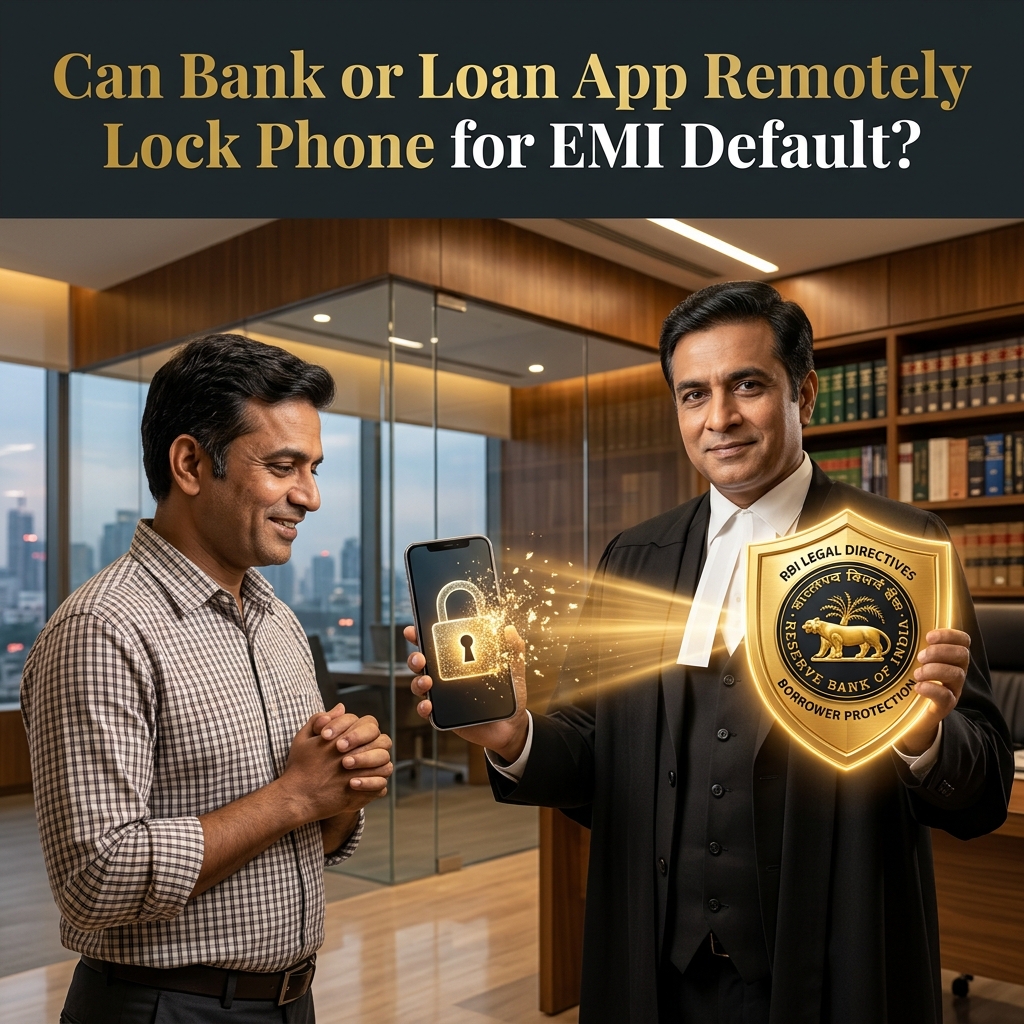
Can Bank or Loan App Remotely Lock Phone for EMI Default? RBI Rules (2026)
An investigative breakdown of RBI's Remote Device Locking Directions—explaining why lenders cannot lock your phone for personal loans, the mandatory 30/60 DPD safeguards on financed devices, the Rs. 250/hour delay penalty, and how to settle device & app loans.
Read Article
How Recovery Agents Get Your Personal Details and How to Prevent It in India (2026)
An investigative legal breakdown of the 7 hidden channels debt collectors use to trace your phone numbers, family contacts, employer, and address - and the exact statutory shields under RBI 2026 Directions and the DPDP Act, 2023 to stop them.
Read Article
willdrafting.in indias first online will drafting platform get your will in few minutes
Discover the swift and secure way to draft your will online in India today
Read ArticleAbout Author
Anuj Anand Malik
View ProfileAnuj Anand Malik, Founder of AMA Legal Solutions, is a trusted advocate, loan settlement expert, legal advisor, and banking lawyer. With over a decade of experience in loan settlement, corporate law, financial disputes, and compliance, he leads a result-driven law firm based in India that helps individuals, startups, and businesses achieve legal and financial stability.
Connect on LinkedInNeed Legal Representation?
Evaluate your defense against recovery agents, notices, or structure your loan settlement directly with Senior Advocates.
Call +91-8700343611