UPI Payments Stay Free; MDR on Merchant Transactions from 2026
Understand the New MDR Rules for UPI Transactions Above ₹2,000

Anuj Anand Malik
Reviewed by AMA Legal Solutions

Key Takeaways: UPI payments for consumers remain free, while MDR applies to merchant transactions above ₹2,000 starting October 15, 2026. This aims to equitably share digital payment infrastructure costs, influenced by agreements between merchants, banks, and payment providers. Merchants need to adapt their systems and pricing strategies accordingly while maintaining compliance with NPCI and RBI regulations.
Understanding the Upcoming MDR Changes for UPI Payments
Starting October 15, 2026, a significant shift in UPI payments will introduce the Merchant Discount Rate (MDR) for merchant transactions above ₹2,000. This change is rooted in the need to balance the cost of digital payment infrastructure while maintaining its accessibility. MDR, essentially a fee charged to merchants for processing payments, will now apply under specific conditions.
Implications for Consumers and Merchants
For consumers, UPI payments will continue to be free, ensuring seamless transactions without additional charges. However, merchants processing transactions above ₹2,000 will now factor in MDR, impacting their operational costs. This change encourages merchants to adopt efficient transaction practices, potentially influencing pricing strategies.
Calculating MDR: What Merchants Need to Know
- MDR will apply only to transactions above ₹2,000.
- The rate will be determined by agreements between banks, payment service providers, and merchants.
- Merchants should consult with their service providers to understand the specific MDR applicable to their transactions.
This change in policy, while maintaining free UPI payments for consumers, aims to sustain the digital transaction ecosystem by equitably distributing the costs associated with payment processing.
The Legal Framework Behind UPI and MDR Regulations
The Unified Payments Interface (UPI) has revolutionized digital transactions in India, offering a seamless and free platform for consumers. However, the upcoming implementation of the Merchant Discount Rate (MDR) from October 15, 2026, for certain merchant transactions above ₹2,000, requires a thorough understanding of the legal framework governing these changes.
Understanding UPI's Legal Structure
UPI operates under the aegis of the National Payments Corporation of India (NPCI), which functions per the guidelines set by the Reserve Bank of India (RBI). This ensures that UPI transactions are regulated, secure, and efficient. The legal framework emphasizes consumer rights and ensures that UPI payments remain free for consumers.
MDR Regulations and Implications
The introduction of MDR aims to cover the costs incurred by banks and payment service providers in processing merchant transactions. As defined by the RBI, MDR is applicable only to merchant transactions exceeding ₹2,000, ensuring minimal impact on consumers. This regulation aligns with broader objectives to support digital payments while maintaining a balanced ecosystem.
- The MDR framework will apply exclusively to merchant transactions above the specified amount, maintaining free UPI transactions for consumers.
- Merchants must update their systems to accommodate these changes, ensuring compliance and transparency in their transactions.
For further insights into how these changes may impact your business, you might find it beneficial to explore Banking and Finance Law or consult experts at AMA Legal Solutions.
What Consumers Need to Know About Free UPI Transactions
UPI transactions continue to be a boon for consumers, providing seamless, cost-free transactions for day-to-day activities. The zero-cost nature of UPI for consumers enhances its appeal, ensuring that individuals can transfer money, pay bills, or shop online without incurring additional charges. This cost-free benefit remains crucial for encouraging digital payments across India, fostering financial inclusion and convenience.
Key Updates on UPI Transaction Costs
While UPI payments will stay free for consumers, it is important to note significant changes coming into effect from October 15, 2026. A Merchant Discount Rate (MDR) will be introduced for certain merchant transactions exceeding ₹2,000. This means merchants will start incurring a cost for these transactions, though consumers will remain unaffected.
- Consumers can continue using UPI without any charges for transactions.
- Merchants handling transactions above ₹2,000 will see MDR implications.
If you are a merchant, understanding these changes is vital for business planning and managing transaction costs effectively. Whether you're a consumer or a merchant, staying informed about these regulatory changes can aid in financial planning and compliance. For detailed legal guidance, consider exploring our Banking and Finance Law services.
Why the MDR is Being Introduced for Merchant Transactions
The introduction of the Merchant Discount Rate (MDR) on certain UPI transactions above ₹2,000 aims to enhance the sustainability of the digital payment ecosystem. As UPI payments remain free for consumers, the MDR will help cover costs related to transaction processing, infrastructure maintenance, and security enhancements essential for scaling UPI systems.
Transaction Cost Recovery
Banks and payment service providers incur significant expenses to facilitate seamless UPI transactions. The MDR allows these entities to recover such costs and invest in advanced technology, ensuring a reliable and secure payment experience for both merchants and consumers.
- Supports infrastructure upgrades and cybersecurity measures.
- Encourages continuous innovation in the digital payment space.
- Helps maintain a balanced ecosystem for banks and fintech companies.
By levying the MDR, the government aims to foster innovation within the digital payment sector while ensuring the ecosystem remains viable. For more detailed insight into the financial implications on businesses, explore our Banking and Finance Law services.
This measure also aims to balance the operational pressures on financial entities with consumer convenience, further supporting India's goal of becoming a major digital economy leader. Visit our page on Loan Settlement Services for additional resources on managing financial obligations effectively.
Detailed Breakdown: MDR Application on Transactions Above ₹2,000
Beginning October 15, 2026, the Merchant Discount Rate (MDR) will be applicable to certain merchant transactions over ₹2,000 done via UPI. This fee, charged to merchants, is a vital part of the payment ecosystem, compensating service providers for facilitating transactions.
Understanding MDR
MDR is a percentage fee charged to merchants on transactions processed through digital payment modes. The revenue generated helps maintain secure and efficient transaction processing systems. While banking and finance law frameworks in India have historically kept UPI transactions free for consumers, introducing MDR for higher-value transactions aligns with global norms.
Implications for Merchants and Consumers
- Merchants: Businesses may incorporate this fee into their pricing structures or absorb it, influencing their profitability.
- Consumers: While UPI payments remain free for end-users, prices might adjust indirectly due to MDR impacts on merchant costs.
For more insights on how regulatory changes may impact your business, consider consulting experts in corporate law and compliance.
Ultimately, the introduction of MDR is intended to sustain the infrastructure supporting India's growing digital payment landscape, balancing cost-sharing between service providers and merchants.
How the MDR Affects Merchants: A Step-by-Step Guide
Merchants need to understand the impact of the upcoming MDR on transactions above ₹2,000 from October 15, 2026. This guide will break down each step to help you navigate these changes effectively.
Step 1: Understanding MDR
The Merchant Discount Rate is a fee that merchants pay to banks for processing digital payments. This is significant for transactions over ₹2,000, affecting businesses that frequently handle such amounts.
Step 2: Identifying Eligible Transactions
Only transactions exceeding ₹2,000 will incur the MDR. It's crucial for merchants to categorize transactions correctly and ensure that they comply with the applicable merchant transaction fees.
Step 3: Financial Planning
Merchants should adjust their financial plans to account for this new cost. Assessing the impact on Banking and Finance Law compliance is essential.
Step 4: Communicating with Payment Processors
Engage with your payment processors to understand their terms. Discuss potential changes in terms or fees and how they align with your business needs.
Step 5: Customer Communication
Inform your customers about any changes in payment policies to maintain transparency. Clear communication can help mitigate any confusion regarding transaction fees.
For further guidance on debt restructuring and managing new financial obligations, explore our resource on Debt Consolidation & Restructuring.
Key Insights & Data Infographic
Visual summary, statistical trends & procedural breakdown
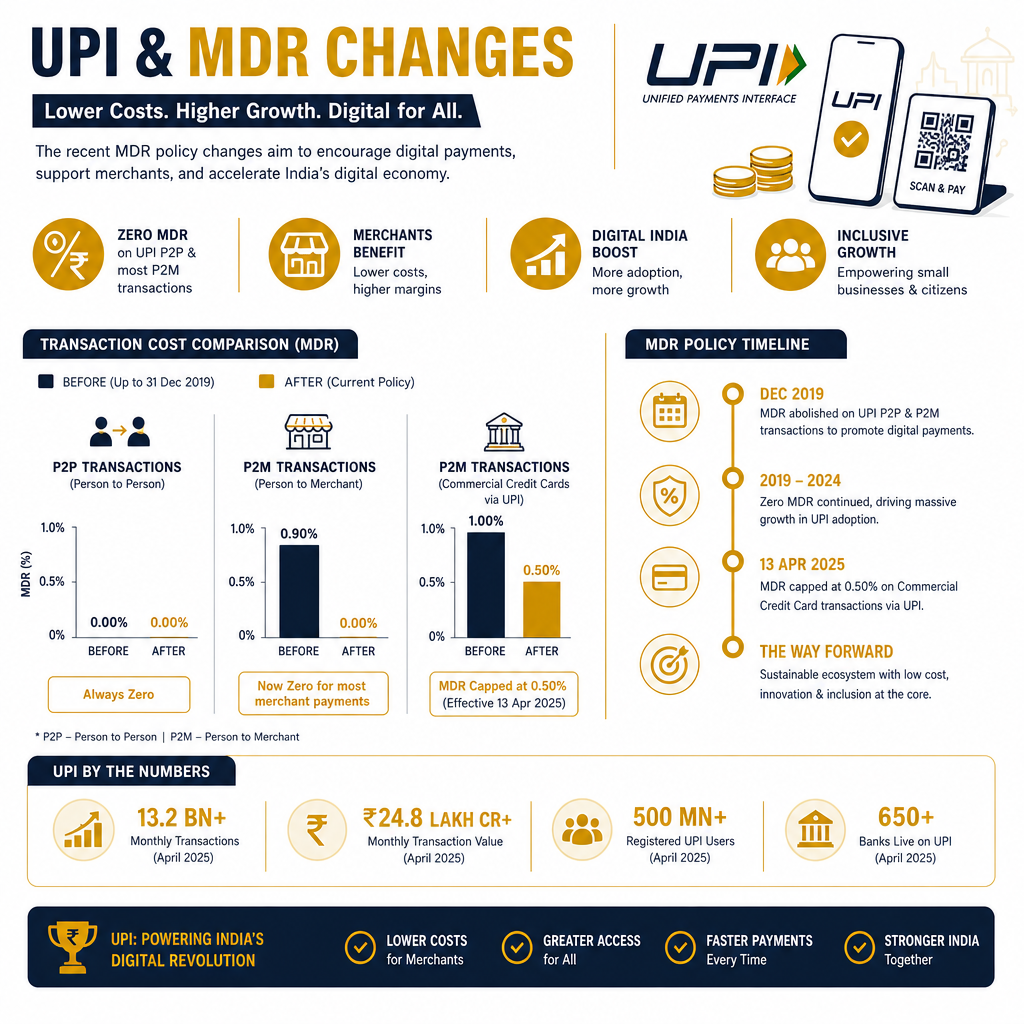
Prepared by AMA Legal Solutions Research & Analytics Team • Data & Compliance Overview

Halt Recovery Agent Harassment Legally
Comparison of Consumer vs. Merchant Rights in UPI Payments
In the realm of UPI payments, the rights of consumers and merchants differ significantly, especially with the impending implementation of the Merchant Discount Rate (MDR) on transactions exceeding ₹2,000. Consumers continue to enjoy free UPI transactions, while merchants must navigate the complexities of MDR starting October 15, 2026. Understanding these distinctions is crucial for both parties, ensuring seamless financial transactions.
Key Differences in Rights and Obligations
- Consumers benefit from zero transaction fees, maintaining the cost-effectiveness of UPI payments.
- Merchants, however, must incorporate MDR into their business strategies, which could influence pricing and profitability.
- Legal provisions protect consumer rights against unauthorized transactions, while merchants require robust mechanisms to manage MDR impacts.
| Parameter / Criterion | Key Details / Legal Provision | Timeline / Practical Impact |
|---|---|---|
| Transaction Fees | Consumers: Free Merchants: MDR applicable on transactions > ₹2,000 |
Effective from October 15, 2026 |
| Regulation | RBI guidelines ensure consumer protection during UPI transactions | Ongoing policy supervision |
| Dispute Resolution | Consumers: Quick resolution via bank channels Merchants: May require Arbitration and Dispute Resolution |
Varies based on issue complexity |
| Responsibility | Consumers: Monitor unauthorized transactions Merchants: Implement MDR strategies |
Immediate and continuous |
Merchants planning for this transition should consider consulting with specialists in Banking and Finance Law to ensure compliance and strategize effectively for the upcoming changes.
Timeline: Introduction and Implementation of MDR on UPI
The introduction of the Merchant Discount Rate (MDR) on UPI transactions is set to change the landscape of digital payments in India. From October 15, 2026, transactions exceeding ₹2,000 made by merchants using UPI will incur an MDR, marking a significant policy shift. This timeline outlines the key stages leading up to and following the implementation.
Stages of MDR Implementation
- Announcement: The Reserve Bank of India (RBI) announced the MDR framework in mid-2026, following consultations with stakeholders.
- Preparation Period: Merchants and payment service providers have been given a transition period to adapt their systems and practices.
- Implementation Date: October 15, 2026, marks the official start of MDR on eligible UPI transactions, impacting merchant operations.
- Post-Implementation Review: The first review is scheduled for six months after implementation to assess the influence of MDR.
| Parameter / Criterion | Key Details / Legal Provision | Timeline / Practical Impact |
|---|---|---|
| Notification Date | RBI Circular issued to notify stakeholders | Mid-2026 |
| Merchant Preparation | Systems and software updates required | July 2026 - October 2026 |
| MDR Implementation | MDR applies to transactions above ₹2,000 | From October 15, 2026 |
| First Review | Impact assessment by RBI and stakeholders | April 2027 |
As stakeholders prepare for this transition, understanding the legal and financial implications is crucial. For those navigating banking and finance law, staying informed about these changes is vital. If you're considering options for business adaptation, exploring loan settlement services may offer financial relief strategies during the transition.
The Role of RBI and NPCI in Regulating UPI Transactions
The Reserve Bank of India (RBI) and the National Payments Corporation of India (NPCI) play pivotal roles in the regulation and smooth functioning of UPI transactions. The RBI, as the central authority, formulates guidelines ensuring the security and efficiency of the payment system. Its regulatory framework is designed to protect consumer interests, particularly by keeping banking and finance law robust and consumer-centric.
NPCI, on the other hand, acts as the backbone of India's UPI infrastructure. It spearheads the development and maintenance of the UPI framework, ensuring that the platform remains stable, scalable, and secure. With merchant transactions above ₹2,000 being subject to an upcoming Merchant Discount Rate (MDR) in 2026, NPCI's role is crucial in implementing these changes seamlessly, minimizing disruptions to both consumers and merchants.
Both entities are committed to enhancing digital payment adoption, aligning with government initiatives like the Digital India campaign. They work collaboratively to address issues, provide redressal mechanisms, and continually innovate for a user-friendly payment experience. The RBI's regulatory oversight, in tandem with NPCI's operational expertise, ensures that UPI remains a trusted and accessible payment option for all Indians, including those seeking loan settlement services.
Legal Obligations of Merchants Under the New MDR Structure
From October 15, 2026, the implementation of the Merchant Discount Rate (MDR) for transactions above ₹2,000 will mean new responsibilities for merchants accepting UPI payments. This transition requires merchants to understand and comply with various legal obligations to ensure seamless transactions and avoid penalties.
Compliance With RBI Guidelines
The Reserve Bank of India (RBI) mandates that merchants clearly disclose the MDR applicable to eligible transactions. Merchants must update their payment systems to automatically include the applicable MDR for transactions exceeding the ₹2,000 threshold. This could involve software upgrades or coordination with payment service providers.
Consumer Notification
- Merchants must inform customers of the MDR charges before payment completion. Transparency is crucial to maintain consumer trust and avoid disputes.
- Receipts should clearly itemize MDR charges apart from the principal transaction amount.
Dispute Resolution
Merchants are advised to establish a clear process for handling disputes arising from MDR charges. This includes training staff to address customer queries effectively and ensuring that dispute resolution mechanisms are in place. For further guidance on managing disputes, visit our Arbitration and Dispute Resolution services page.
By aligning with these obligations, merchants can ensure compliance and continue to benefit from the UPI infrastructure. For more information on the legal aspects of such financial obligations, explore our Banking and Finance Law services.
Practical Tips for Merchants to Manage MDR Costs
As the Merchant Discount Rate (MDR) becomes applicable to UPI transactions over ₹2,000 from October 15, 2026, merchants need to adopt strategies to manage these costs effectively. Understanding the intricacies of MDR and planning accordingly can help mitigate its financial impact. Here are some practical tips for merchants:
1. Optimize Transaction Amounts
Encourage customers to either consolidate smaller transactions or split larger purchases across multiple transactions to keep individual transaction amounts below ₹2,000, thereby avoiding MDR charges.
2. Negotiate with Payment Service Providers
Engage with your payment service provider to negotiate better MDR rates. This can be particularly effective for merchants with high transaction volumes, providing leverage for a more favorable rate.
3. Pass on Costs Transparently
Consider transparently passing on MDR costs to consumers for high-value transactions. Clearly communicate this policy at the point of sale to maintain trust and avoid surprises.
- Consider integrating cost-sharing models to offset expenses.
- Explore options for loan settlement services to manage financial burdens.
4. Monitor and Adjust Pricing Strategies
Evaluate your pricing strategies regularly to accommodate the cost of MDR. This may involve slight price adjustments across products or services to ensure profitability while remaining competitive.
- Seek professional advice on banking and finance law to navigate these changes effectively.
Future Implications of MDR on Digital Payments in India
The implementation of the Merchant Discount Rate (MDR) starting October 15, 2026, for transactions above ₹2,000, marks a pivotal shift in India's digital payment landscape. While UPI payments remain free for consumers, merchants will face a new cost consideration. This change might influence merchants' pricing strategies, potentially impacting consumer spending habits.
For small businesses and MSMEs, the added cost could affect profit margins, prompting them to reconsider the benefits of digital payments versus the incurred costs. Larger enterprises might absorb this fee more easily, but it could lead to a preference for cash transactions among smaller players to avoid MDR costs.
Impact on Digital Payment Adoption
Despite these challenges, the continued growth in digital payment adoption is likely, given the convenience and security it offers. The Indian government's ongoing initiatives to support digital payments may offset some cost concerns, ensuring that digital payment systems remain integral to both banking and finance law sectors.
- The shift could stimulate competition among payment service providers, encouraging them to offer innovative solutions to reduce merchant costs.
- Financial institutions may develop strategies to subsidize or share MDR costs with merchants, maintaining a balance between cost and benefit.
Overall, while the introduction of MDR presents challenges, it also offers opportunities for innovation and growth in India's digital payment ecosystem.
Popular Searches & Topics
Commonly searched legal queries and keywords related to this article
Need Strategic Legal Defense for Your Situation?
Our banking & litigation advocates review your notices, debt liability, and recovery issues under complete advocate-client secrecy.

AMA Legal Solutions
Trusted with a 4.7 Google Rating, over 10,000+ Clients Served, 25,000+ Cases Handled, and more than 40+ Years of Experience in providing strategic legal defense and debt resolution across India.
Our media coverages





Client Reviews
"The expert advice from AMA Legal Solutions regarding UPI payment regulations was invaluable for our financial planning."
Anjali Verma
"AMA Legal Solutions offered thorough understanding and strategic advice on managing MDR impacts effectively."
Meera Banerjee
"Brilliant service from AMA Legal Solutions addressing all our concerns about the new MDR rules with precision."
Vikram Singh
"AMA Legal Solutions provided exceptional insights on the MDR changes, helping our business stay prepared and compliant."
Ravi Sharma
"Highly satisfied with AMA Legal Solutions for their clarity and guidance on the upcoming MDR implementation."
Rajesh Kapoor
Frequently Asked Questions
Related Articles
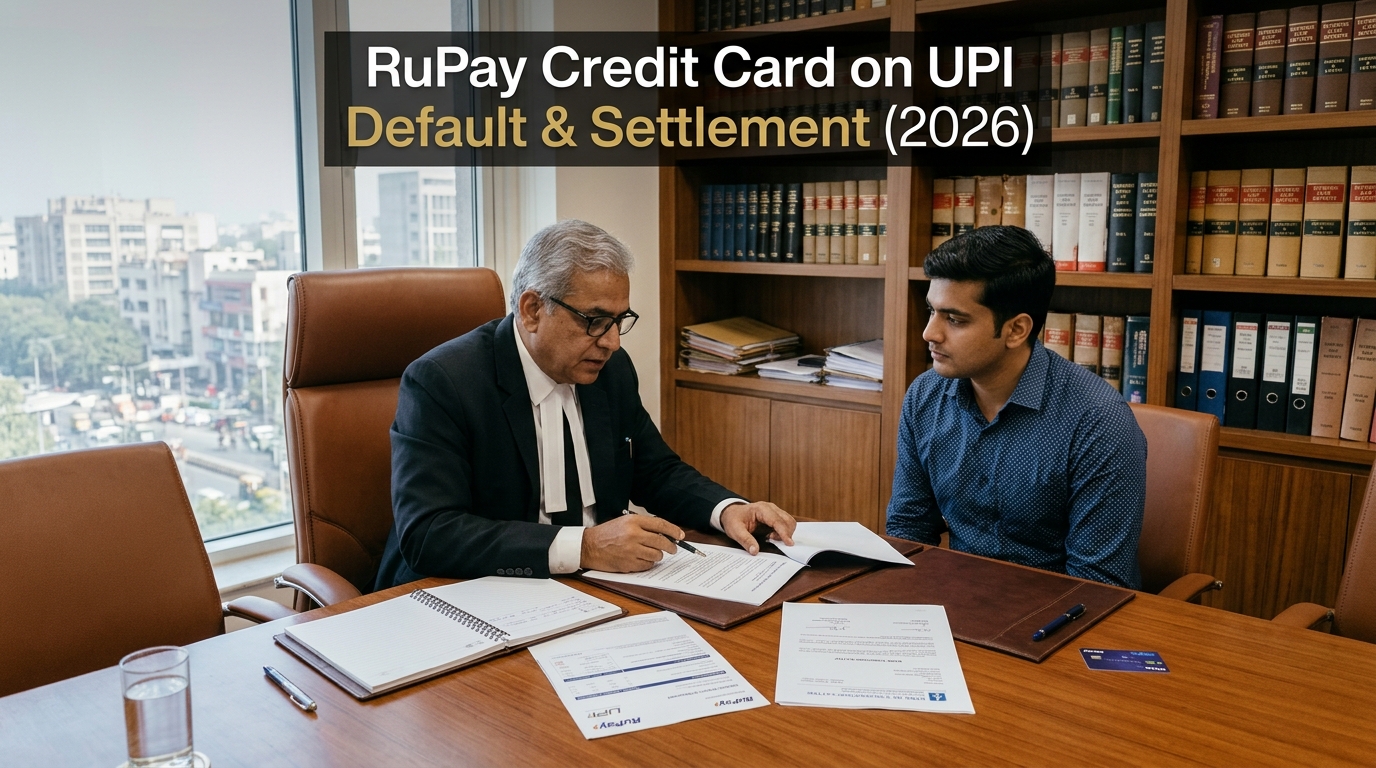
RuPay Credit Card on UPI Default & Credit Line on UPI Settlement (2026)
Micro-transactions on RuPay UPI Credit Cards and pre-approved 'Credit Lines on UPI' have triggered a massive wave of 42%+ APR revolving debt traps. Find out if defaulting blocks your personal savings UPI and how to settle RuPay UPI credit dues for 30%–50%.
Read Article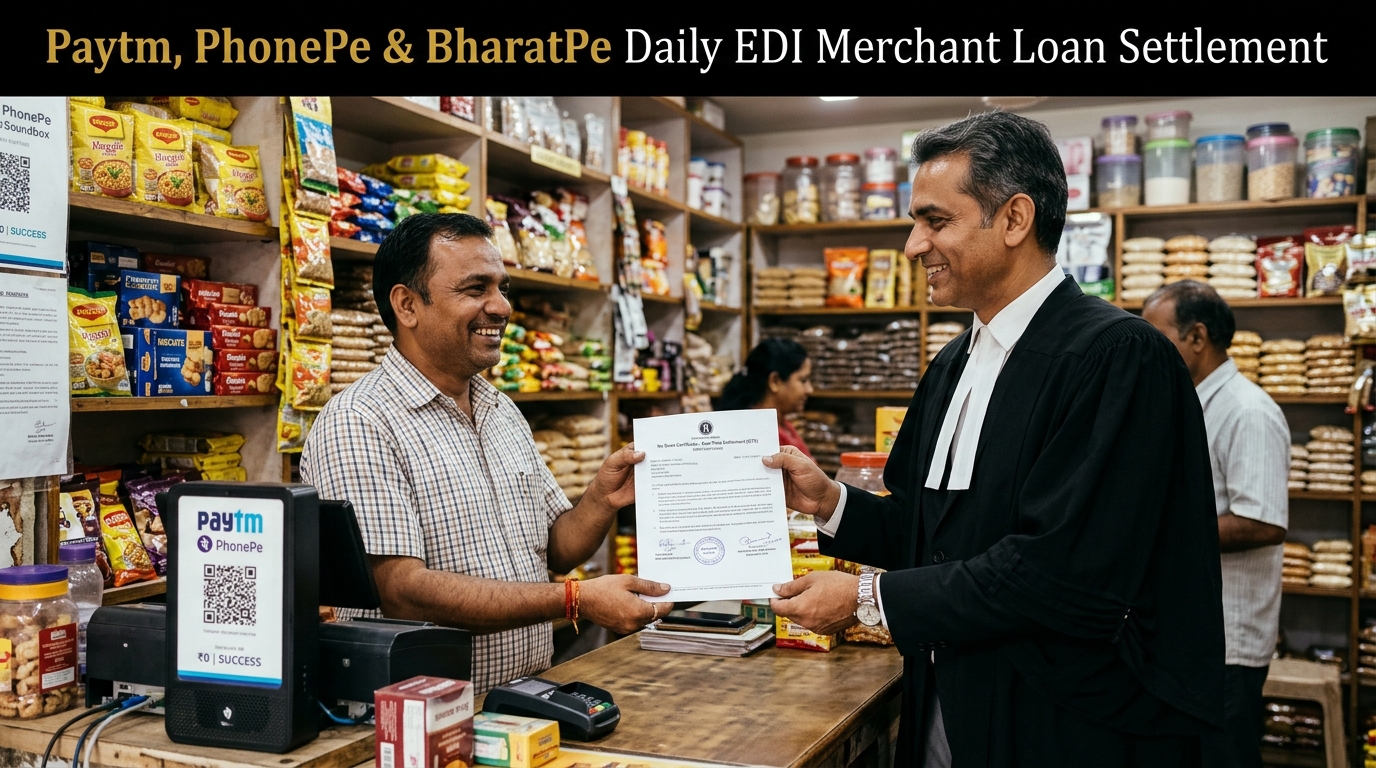
Paytm, PhonePe & BharatPe Daily EDI Merchant Loan Settlement (2026)
Drowning in Equated Daily Installment (EDI) merchant loans where 100% of your daily QR Soundbox collections are auto-swept before you can pay suppliers or rent? Learn how retail shopkeepers and MSMEs legally halt QR sweeps and negotiate a 50%+ OTS.
Read Article
Can Bank or Loan App Remotely Lock Phone for EMI Default? RBI Rules (2026)
An investigative breakdown of RBI's Remote Device Locking Directions—explaining why lenders cannot lock your phone for personal loans, the mandatory 30/60 DPD safeguards on financed devices, the Rs. 250/hour delay penalty, and how to settle device & app loans.
Read ArticleAbout Author
Anuj Anand Malik
View ProfileAnuj Anand Malik, Founder of AMA Legal Solutions, is a trusted advocate, loan settlement expert, legal advisor, and banking lawyer. With over a decade of experience in loan settlement, corporate law, financial disputes, and compliance, he leads a result-driven law firm based in India that helps individuals, startups, and businesses achieve legal and financial stability.
Connect on LinkedInNeed Legal Representation?
Evaluate your defense against recovery agents, notices, or structure your loan settlement directly with Senior Advocates.
Call +91-8700343611