Unsecured Personal Loans Meaning as Per Banking Code
Comprehensive Guide on Unsecured Personal Loans in India

Anuj Anand Malik
Reviewed by AMA Legal Solutions

Introduction to Unsecured Personal Loans
Unsecured personal loans, as defined by the latest banking code, are loans that do not require the borrower to provide collateral. Unlike secured loans, where assets like property or vehicles are pledged, unsecured loans rely solely on the borrower’s creditworthiness. This means that the lender assesses the borrower’s ability to repay based on credit history, income stability, and other financial indicators.
These loans are commonly used for personal expenses such as marriage, education, medical emergencies, or home improvements. The absence of collateral makes them a popular choice for salaried individuals and small business owners who may not have significant assets to offer as security.
Why Choose Unsecured Personal Loans?
- Flexibility: They can be used for various purposes without restrictions.
- Quick Approval: Since no asset verification is needed, processing times are faster.
- Risk-Free Assets: No risk of losing personal property in case of default.
However, it's crucial to understand that interest rates for unsecured loans tend to be higher than secured ones due to the increased risk for lenders. Additionally, the loan amount offered might be lower compared to secured loans. Understanding these nuances is essential for making informed borrowing decisions.
Understanding the Legal Framework for Loans
Unsecured personal loans are governed by a robust legal framework designed to protect both lenders and borrowers. In India, the RBI's Fair Practice Code is central to this framework, ensuring transparency and fair conduct by financial institutions. Unlike secured loans, unsecured loans do not require collateral, which increases the lender's risk and typically results in higher interest rates.
The Banking Codes and Standards Board of India (BCSBI) outlines comprehensive guidelines for loan processing, disclosure of terms, and grievance redressal. These codes mandate that banks must clearly communicate interest rates, processing fees, and other charges upfront to the borrower.
Furthermore, the legal framework emphasizes the borrower's right to be informed. Borrowers are entitled to detailed loan agreements that stipulate all terms and conditions. The Consumer Protection Act, 2019, offers additional safeguards, allowing borrowers to address grievances through legal channels if banks breach fair practice norms.
Navigating this framework requires both awareness and diligence. Borrowers should meticulously review all loan documents and consult with financial advisors or legal experts when necessary. This vigilance helps in avoiding pitfalls and ensuring compliance with the banking regulations.
RBI Guidelines on Unsecured Personal Loans
The Reserve Bank of India (RBI) provides comprehensive guidelines for regulating unsecured personal loans. These loans, devoid of collateral, require banks and financial institutions to adhere to prudent lending practices. Here’s an overview of the significant RBI mandates:
KYC and Due Diligence
- Banks must adhere to stringent Know Your Customer (KYC) norms to verify the borrower’s identity and financial standing.
- Due diligence is crucial to assess the creditworthiness of applicants, ensuring responsible lending.
Interest Rate Regulations
- Interest rates on unsecured personal loans should be transparent and disclosed upfront. Banks must not levy excessive charges.
- RBI mandates a fair and equitable interest rate structure, with no hidden costs.
Fair Practices Code
- Financial institutions must provide borrowers with a copy of the loan agreement, outlining terms and conditions clearly.
- A mechanism for addressing borrower grievances should be in place, ensuring swift resolution.
These guidelines aim to foster a transparent, fair, and consumer-friendly lending environment, safeguarding borrower interests while maintaining financial stability. Borrowers should be aware of their rights and the obligations of financial institutions under these RBI guidelines.
Borrower Rights in Unsecured Loan Agreements
Understanding your rights as a borrower in unsecured loan agreements is crucial for safeguarding your interests. Unsecured personal loans, as per the updated banking code, come without collateral, making it essential for borrowers to be aware of their rights. Here are some key rights you should be aware of:
Transparency and Disclosures
- Banks must provide clear and complete loan terms, including interest rates, repayment schedules, and any applicable charges or fees.
- Borrowers have the right to receive a copy of the loan agreement and understand all clauses before signing.
Fair Treatment
- Borrowers should be treated with respect and fairness, without undue pressure from recovery agents or bank officials.
- Recovery practices must adhere to RBI guidelines, ensuring no harassment occurs during recovery processes.
Right to Information
- Borrowers can request information regarding their outstanding loan balance, interest applied, and any payments made.
- In case of any dispute, borrowers have the right to approach the banking ombudsman for resolution.
Being informed about these rights empowers you as a borrower, ensuring your interactions with banks are fair and transparent, mitigating potential conflicts. Always keep a record of communications and understand the legal remedies available in case of any grievances.
Common Terms in Unsecured Loan Contracts
Understanding the common terms in unsecured loan contracts is crucial for borrowers seeking clarity in their financial obligations. These contracts, governed by the banking code, often include terms that define the borrower's and lender's rights and responsibilities. Here are some of the essential terms:
1. Principal Amount
This refers to the original sum of money borrowed, excluding any interest or fees. It is the basis on which interest calculations are made.
2. Interest Rate
The interest rate is the percentage charged on the principal amount annually. It may be fixed or variable, affecting the total cost of the loan over time.
3. Processing Fee
This is a non-refundable fee charged by the lender for processing the loan application. It varies between lenders and is usually a percentage of the loan amount.
4. Tenure
The period over which the loan is to be repaid. It can range from a few months to several years, depending on the loan agreement.
5. EMI (Equated Monthly Installment)
EMI is the fixed monthly payment combining both principal and interest, calculated to ensure the loan is repaid within the agreed tenure.
6. Prepayment Charges
These are additional costs incurred if a borrower decides to repay the loan before the end of the tenure. Some lenders charge this to compensate for the lost interest.
Understanding these terms helps borrowers make informed decisions and ensures transparency in their financial dealings.
Risk Analysis: Lender's Perspective on Unsecured Loans
From a lender's perspective, unsecured personal loans come with distinct risks primarily due to the absence of collateral. Without a tangible asset to recover in case of borrower default, lenders must be vigilant in assessing creditworthiness.
Credit Evaluation
Lenders rely heavily on credit scores and financial history to gauge the likelihood of repayment. A robust credit score indicates reliability, reducing the perceived risk. However, even a minor drop in credit ratings can escalate concerns.
Income Stability
Assessing the borrower's income stability is crucial. Lenders examine employment history, current earnings, and debt-to-income ratio, seeking assurance of consistent income flow to meet loan obligations.
Interest Rate Considerations
Due to higher risks, unsecured loans often come with increased interest rates. This compensates lenders for the potential of borrower default, making risk management a key factor in interest rate determination.
Default Impact
In cases of default, lenders have limited recourse beyond legal avenues and credit reporting, unlike secured loans where asset seizure is possible. Consequently, the process of recovery can be lengthy and uncertain.
Understanding these elements is vital for lenders to balance risk while providing unsecured credit under banking code guidelines.

Halt Recovery Agent Harassment Legally
What Banks Typically Don't Disclose About Unsecured Loans
Understanding unsecured personal loans requires more than just knowing their basic definition. Banks often leave out critical information that borrowers should be aware of to make informed decisions. Here are some key aspects banks may not disclose:
Internal Risk Assessment
Banks use complex algorithms and internal risk assessments to evaluate your creditworthiness. They consider factors like your spending habits, credit utilization rate, and payment history, which can influence your loan terms without explicit explanation.
Interest Rate Variability
While advertised interest rates might seem attractive, they can vary significantly based on individual profiles. Often, the lowest rates are reserved for borrowers with exceptional credit scores. Without transparency, borrowers might end up paying more than anticipated.
Potential Fees
Unsecured loans might come with hidden fees, such as processing fees, late payment penalties, or prepayment penalties. These charges can inflate the total cost of the loan, and borrowers often overlook these until they appear on the statement.
Impact on Credit Score
While banks might emphasize the benefits of timely repayments, they rarely discuss how missed or late payments can significantly impact your credit score, affecting future borrowing capabilities.
Being informed about these hidden aspects can help borrowers make more prudent financial decisions and fully understand the implications of taking on unsecured personal loans.
Impact of Credit Score on Loan Approval
Credit scores are a pivotal factor when applying for unsecured personal loans, particularly under the banking code. A credit score is a numerical representation of a borrower’s creditworthiness, influencing the bank's decision to approve or decline a loan application. Typically, a higher credit score indicates responsible credit behavior and lowers the perceived risk for lenders.
Understanding Credit Score Ranges
- Excellent (750-900): Borrowers in this range are more likely to receive loan approval at favorable interest rates.
- Good (650-749): Generally considered reliable, these borrowers often secure loans without difficulty, though interest rates might vary slightly.
- Fair (600-649): Lenders may view these borrowers as higher risk, possibly resulting in stricter terms or higher interest rates.
- Poor (Below 600): Approvals are challenging, and if granted, loans usually come with high interest rates and stringent conditions.
Why Credit Scores Matter: Banks use credit scores to assess the risk of lending to a borrower. A low score can lead to loan rejection or less favorable terms, whereas a high score may pave the way for negotiation leverage.
To improve your credit score, focus on timely payments, reduce outstanding debt, and manage credit responsibly. Monitoring your credit report regularly is also advisable to identify and rectify discrepancies early.
Strategies for Managing Unsecured Loan Repayments
Effectively managing unsecured loan repayments requires a strategic approach, especially given the flexibility and risks associated with such loans. Here are some key strategies:
Create a Realistic Budget
Start by assessing your monthly income and expenses. Allocate funds for essential needs before designating amounts for loan repayments. A well-thought-out budget ensures you stay on track and avoid default.
Prioritize High-Interest Loans
Focus on repaying loans with the highest interest rates first. This reduces the overall interest burden and shortens the loan tenure, saving you money in the long run.
Consider Loan Consolidation
If you have multiple loans, consolidation might be an option. This involves combining all loans into a single loan with a lower interest rate, simplifying payments and potentially reducing monthly outflows.
Communicate with Your Lender
If you foresee difficulties in repayment, proactively communicate with your lender. They may offer solutions such as restructuring the loan or adjusting the repayment schedule to alleviate financial pressure.
- Review your repayment schedule regularly to ensure timely payments.
- Set up automatic payments to avoid missing due dates.
- Regularly review your financial situation to adjust your strategy as needed.
Implementing these strategies can help maintain financial stability and ensure successful loan repayment.
Legal Remedies for Loan Default and Recovery
When an individual defaults on an unsecured personal loan, it is crucial to understand the legal remedies available. Banks typically initiate a series of recovery actions, but borrowers have rights too. Here’s an overview:
1. Understanding Recovery Process
- Initially, banks may send notices for repayment, outlining the outstanding balance and due date.
- If ignored, banks may escalate the matter to a recovery agent, who must adhere to the RBI guidelines.
2. Borrower's Legal Rights
- As per the Banking Codes and Standards Board of India (BCSBI), borrowers must be informed about recovery processes.
- Borrowers have the right to receive proper notice and documentation before any recovery action is taken.
- Complaints about inappropriate recovery practices can be lodged with the Banking Ombudsman.
3. Legal Recourse
- File a dispute if you believe the recovery is unjustified; courts can intervene if necessary.
- Consider negotiating a settlement with the bank for an amount that is feasible to repay.
- In case of harassment or unlawful recovery practices, seek legal counsel immediately.
Understanding these remedies can significantly shield borrowers from undue stress and ensure a fair recovery process as per the legal framework.
Practical Tips for Negotiating Loan Terms
When negotiating terms for unsecured personal loans, understanding the banking code's definitions is crucial. Lenders assess risk differently based on this code, so being well-informed can give you a significant advantage. Here are some practical tips to help you negotiate favorable terms:
Do Your Homework
- Research current interest rates and typical loan terms for unsecured personal loans. Knowledge is power in negotiations.
Maintain a Good Credit Score
- A strong credit history can significantly influence the terms offered. Ensure your credit report is accurate and address any discrepancies before negotiations.
Understand the Loan Agreement
- Carefully read all clauses, especially those related to fees, penalties, and repayment schedules. Don't hesitate to ask the lender for clarification on any point.
Negotiate with Confidence
- Approach lenders with confidence and express your willingness to shop around. This can sometimes encourage lenders to offer better terms.
Get It in Writing
- Once terms are agreed upon, ensure everything is documented. This protects you from any unexpected changes.
By applying these strategies, you can negotiate loan terms that align with your financial goals while adhering to the banking code's guidelines.
Case Studies: Successful Loan Settlements
Understanding the nuances of unsecured personal loans, particularly their definition as per the banking code, can significantly impact settlement success. Here, we present real-life cases that illustrate effective strategies for negotiating loan settlements.
Case Study 1: Negotiating with Financial Hardship
A salaried individual, facing job loss due to the pandemic, had an outstanding unsecured personal loan of ₹5,00,000. The borrower communicated effectively with the bank, providing evidence of financial hardship. By submitting a detailed repayment plan and requesting a temporary reduction in EMI, the borrower achieved a 30% reduction in monthly installments for six months. This was facilitated by sections of the banking code that allow for borrower protection in genuine hardship scenarios.
Case Study 2: Small Business Owner's Recovery
An MSME owner with a ₹10,00,000 unsecured loan found themselves in a cash flow crunch. They approached the bank with financial statements and a clear plan for business recovery. By demonstrating potential growth and repayment capacity, they negotiated a 20% waiver on interest accrued, as per the flexible options outlined under the banking code for business owners.
These cases underscore the importance of strategic communication, clear documentation, and leveraging the banking code to negotiate effectively with lenders.
Need Strategic Legal Defense for Your Situation?
Our banking & litigation advocates review your notices, debt liability, and recovery issues under complete advocate-client secrecy.

AMA Legal Solutions
Trusted with a 4.7 Google Rating, over 10,000+ Clients Served, 25,000+ Cases Handled, and more than 40+ Years of Experience in providing strategic legal defense and debt resolution across India.
Our media coverages





Client Reviews
"AMA Legal Solutions guided me expertly through my unsecured personal loan process. Their insights into banking laws were invaluable. Highly recommended!"
Arjun Mehta
"I'm grateful for the detailed advice from AMA Legal Solutions. They ensured I understood every aspect of my loan agreement, making the process stress-free."
Priya Nair
"AMA Legal Solutions’ expertise in banking law helped me navigate the complexities of unsecured loans. Their assistance was professional and prompt."
Sneha K.
"The team at AMA Legal Solutions made understanding the RBI guidelines simple. Their support was crucial in securing my loan with favorable terms."
Rohit Sharma
"Outstanding service from AMA Legal Solutions! Their legal advice on unsecured loans was clear and comprehensive, aiding in a seamless loan process."
Vikas Gupta
Frequently Asked Questions
Related Articles
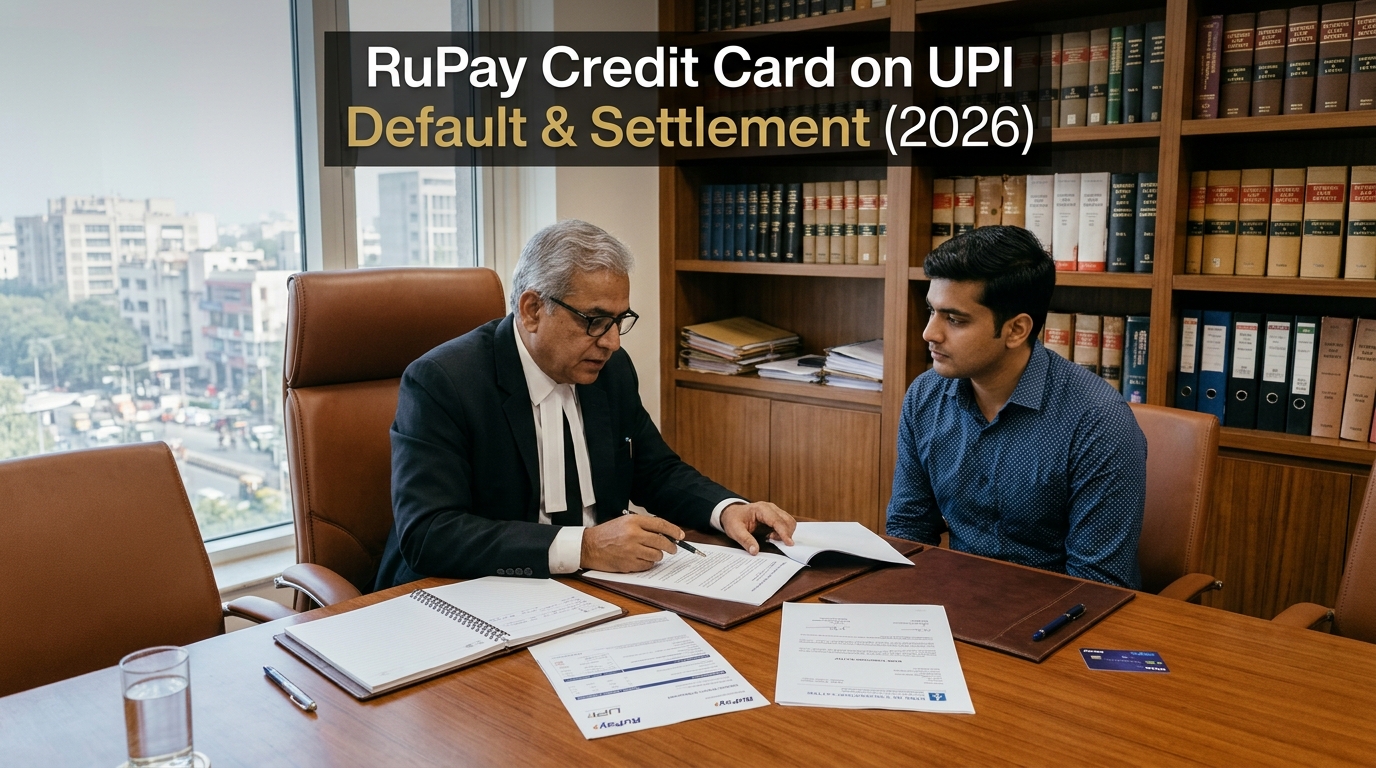
RuPay Credit Card on UPI Default & Credit Line on UPI Settlement (2026)
Micro-transactions on RuPay UPI Credit Cards and pre-approved 'Credit Lines on UPI' have triggered a massive wave of 42%+ APR revolving debt traps. Find out if defaulting blocks your personal savings UPI and how to settle RuPay UPI credit dues for 30%–50%.
Read Article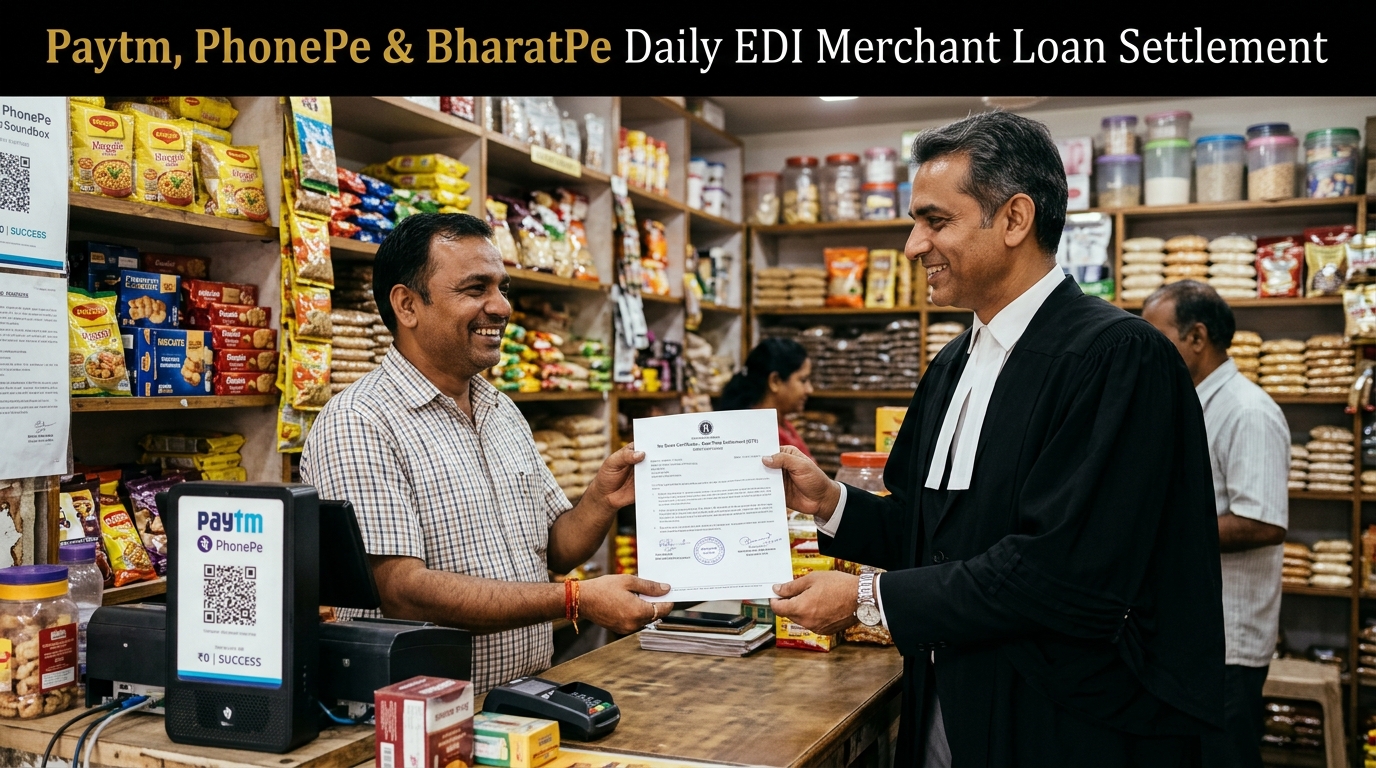
Paytm, PhonePe & BharatPe Daily EDI Merchant Loan Settlement (2026)
Drowning in Equated Daily Installment (EDI) merchant loans where 100% of your daily QR Soundbox collections are auto-swept before you can pay suppliers or rent? Learn how retail shopkeepers and MSMEs legally halt QR sweeps and negotiate a 50%+ OTS.
Read Article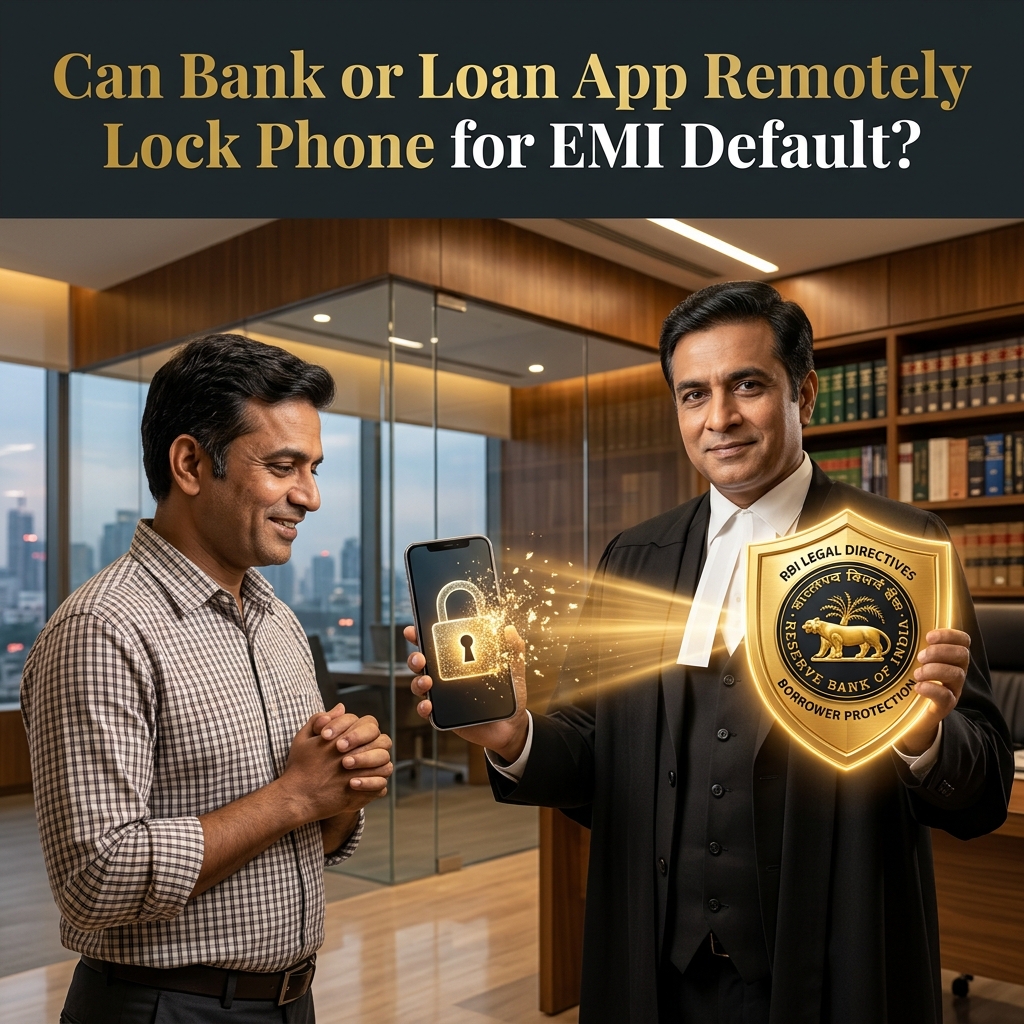
Can Bank or Loan App Remotely Lock Phone for EMI Default? RBI Rules (2026)
An investigative breakdown of RBI's Remote Device Locking Directions—explaining why lenders cannot lock your phone for personal loans, the mandatory 30/60 DPD safeguards on financed devices, the Rs. 250/hour delay penalty, and how to settle device & app loans.
Read ArticleAbout Author
Anuj Anand Malik
View ProfileAnuj Anand Malik, Founder of AMA Legal Solutions, is a trusted advocate, loan settlement expert, legal advisor, and banking lawyer. With over a decade of experience in loan settlement, corporate law, financial disputes, and compliance, he leads a result-driven law firm based in India that helps individuals, startups, and businesses achieve legal and financial stability.
Connect on LinkedInNeed Legal Representation?
Evaluate your defense against recovery agents, notices, or structure your loan settlement directly with Senior Advocates.
Call +91-8700343611