Understanding Loan Recovery: A Legal Perspective
Navigate the complexities of loan recovery with expert insights

Anuj Anand Malik
Reviewed by AMA Legal Solutions
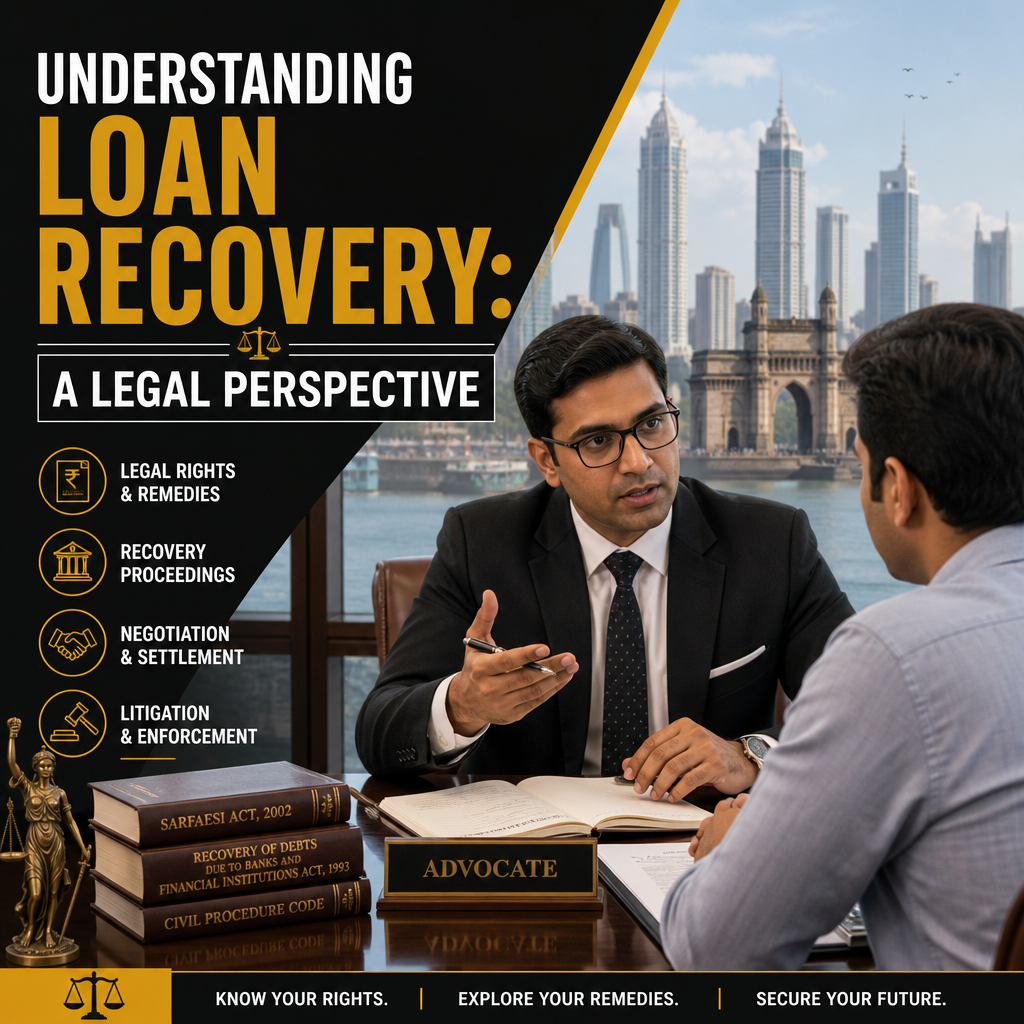
Key Takeaways: Understanding loan recovery involves knowing your rights under Indian laws, exploring settlement options, and staying informed about legal frameworks like the SARFAESI Act. Engaging legal expertise can help navigate recovery challenges effectively and protect borrowers from unlawful practices.
Introduction to Loan Recovery: What Borrowers Need to Know
Loan recovery is a process banks and financial institutions initiate to reclaim the outstanding balance from borrowers who fail to meet their loan obligations. Understanding this process is crucial for borrowers facing financial strain, as it can significantly impact one's financial future. Loan recovery can take various forms, from friendly reminders to legal actions such as arbitration or civil suits. Knowing your rights and obligations in these scenarios can help mitigate adverse outcomes.
Borrowers should be aware that loan settlement is an alternative to prolonged recovery processes. Settlements often involve negotiating a repayment plan or a partial waiver of the outstanding debt. This approach can prevent the escalation of recovery actions and protect one's credit score. However, it requires readiness to approach the lender transparently, showcasing a genuine intent to repay.
It is essential to distinguish between lawful recovery methods and harassment. Borrowers have rights against coercive recovery tactics, and understanding these rights can be a vital defense. Legal guidance from experts in banking and finance law can provide clarity and help navigate complex recovery scenarios.
In conclusion, loan recovery is not merely about reclaiming debt; it is about understanding the interplay of legal rights and recovery strategies. Borrowers should proactively address their situations, seek professional advice, and explore all available options to manage their obligations effectively.
Legal Framework Governing Loan Recovery in India
The legal framework for loan recovery in India is primarily governed by the Recovery of Debts Due to Banks and Financial Institutions Act, 1993, and the Securitisation and Reconstruction of Financial Assets and Enforcement of Security Interest Act, 2002 (SARFAESI Act). These laws provide banks and financial institutions with the necessary legal powers to recover dues efficiently.
Key Legislations
- Recovery of Debts Due to Banks and Financial Institutions Act, 1993: This act facilitates the speedy recovery of non-performing assets (NPAs) by setting up Debt Recovery Tribunals (DRTs) and Debt Recovery Appellate Tribunals (DRATs). Borrowers can contest recovery actions within these tribunals.
- SARFAESI Act, 2002: This act allows banks to seize and sell secured assets without court intervention. It is crucial for borrowers to understand their rights under this act, especially how to challenge wrongful possession notices.
Additionally, the Reserve Bank of India (RBI) periodically issues guidelines to regulate loan recovery practices, ensuring they are ethical and compliant. Borrowers should familiarize themselves with these regulations to protect their rights.
For those facing loan recovery challenges, understanding these laws is essential. It can be beneficial to seek arbitration services for dispute resolution without litigation or explore our loan settlement services for a negotiated resolution.
Types of Loans and Their Recovery Processes
Understanding the recovery process begins with recognizing the type of loan in question. Different loans have distinct recovery approaches, often determined by the terms of the loan agreement and regulatory guidelines. Below, we explore common types of loans and their specific recovery processes to provide clarity and insight for borrowers.
Secured Loans
Secured loans, such as home loans or auto loans, are backed by collateral. In default scenarios, lenders may initiate recovery by repossessing the asset. Legal proceedings, such as those encompassed by the SARFAESI Act, are common. Borrowers should engage early with their lenders to explore options like restructuring to avoid escalation.
Unsecured Loans
Unsecured loans, including personal loans and credit card debts, lack collateral backing. Recovery efforts often involve legal notices and, potentially, court proceedings for recovery. Borrowers can negotiate settlements to manage outstanding dues. Loan Settlement Services can assist in achieving favorable outcomes.
Business Loans
Business loans, often availed by MSMEs, may be secured or unsecured. Recovery differs based on the loan type. Proactive communication and restructuring are vital. For insights into legal remedies, borrowers can refer to Banking and Finance Law.
| Parameter / Criterion | Key Details / Legal Provision | Timeline / Practical Impact |
|---|---|---|
| Secured Loan Recovery | SARFAESI Act allows asset possession post-default | Notice period typically 60 days |
| Unsecured Loan Recovery | Legal notices precede court action | Varies based on court schedule |
| Business Loan Recovery | Negotiation and restructuring options | Depends on mutual agreement |
| Loan Settlement | Mutual agreement to settle dues | Can be expedited with legal assistance |
The Role of Banks and Financial Institutions in Loan Recovery
Banks and financial institutions play a pivotal role in loan recovery, a process crucial to maintaining the financial ecosystem. When a borrower defaults, these institutions initiate recovery procedures to recoup the outstanding debt. Recovery is not just about collecting money; it involves structured protocols to ensure compliance with legal standards and preserve borrower relations.
Firstly, banks categorically classify loans based on their risk and delinquency status. This classification aids in formulating appropriate recovery strategies. For instance, a Non-Performing Asset (NPA) requires a more aggressive approach than minor delinquencies. Understanding these classifications can help borrowers anticipate bank actions and prepare accordingly.
Next, banks utilize various recovery mechanisms, from restructuring loans to initiating legal actions under the SARFAESI Act. They may also engage with recovery agents, ensuring they operate within the legal framework. Borrowers must be aware of their rights and avenues for negotiation or settlement. To explore strategic settlement options, consider our Loan Settlement Services.
Additionally, banks may offer loan restructuring to viable businesses facing temporary setbacks. This approach can include extending repayment tenures or reducing interest rates. For more on legal frameworks and borrower protection, visit our page on Banking and Finance Law.
Ultimately, the role of banks is not merely punitive but also rehabilitative, aimed at fostering financial stability and economic growth. Successful loan recovery is a balanced endeavor between enforcing repayments and supporting borrowers.
Understanding Borrowers' Rights During Loan Recovery
In the realm of banking and finance law, borrowers in India possess significant rights during the loan recovery process. It is crucial for borrowers to be aware of these rights to protect themselves from undue harassment or unethical practices by recovery agents.
Right to Fair Treatment
Borrowers have the right to be treated with respect and dignity by recovery agents. Aggressive behavior, intimidation, or harassment is not permissible. The Reserve Bank of India (RBI) mandates that banks and recovery officers adhere to ethical collection practices.
Right to Privacy
Borrowers can demand confidentiality regarding their loan information. Recovery agents should not disclose personal or financial details to unauthorized third parties without the borrower's consent. Breach of privacy is a violation of borrowers' rights.
Right to Accurate Information
Borrowers are entitled to receive transparent and accurate information concerning their loan status. Any repayment demands should be clearly documented, and borrowers should have access to statements that reflect the current loan status.
Legal Recourse
If borrowers face unlawful practices from recovery agents, they have the right to seek legal remedies. Engaging with a professional for loan settlement services can provide guidance and support in understanding and enforcing these rights effectively.
By staying informed and exercising these rights, borrowers can navigate the loan recovery process more confidently and securely.
Legal Remedies Available to Borrowers Facing Recovery Actions
When borrowers face aggressive recovery actions, understanding their legal remedies is crucial. Indian law provides several avenues to protect borrower rights while navigating through financial distress. Notably, borrowers can challenge unlawful recovery practices, seek restructuring, and rely on specific legal protections under various acts.
Key Legal Remedies
- Restructuring and Settlement: Borrowers may negotiate with banks for loan restructuring or settlements. Engaging in loan settlement services can provide a structured approach to reduce debt burdens.
- Injunctions Against Unlawful Practices: If recovery agents engage in harassment or misconduct, borrowers can seek injunctions in civil courts. This stops abusive practices and ensures borrower protection under legal scrutiny.
- RBI Guidelines Protection: The RBI has stringent guidelines for recovery practices, which banks must follow. Borrowers can file complaints with appropriate authorities if these are violated.
- SARFAESI Act Appeals: Under the SARFAESI Act, borrowers have the right to file appeals before the Debt Recovery Tribunal if they believe the enforcement of security interests is unjustified.
| Parameter / Criterion | Key Details / Legal Provision | Timeline / Practical Impact |
|---|---|---|
| Restructuring Process | Negotiation with banks for revised payment terms | Typically 30-90 days for approval |
| Court Injunction | Legal action against harassment by recovery agents | Immediate relief upon court order |
| RBI Complaint | Filing grievances against non-compliance by banks | Resolved within 30-60 days |
| SARFAESI Appeal | Challenge wrongful enforcement actions in DRT | Adjudication typically within 6 months |
Borrowers should consider seeking professional legal guidance through Banking and Finance Law services to effectively navigate these remedies and protect their rights against recovery actions.
Key Insights & Data Infographic
Visual summary, statistical trends & procedural breakdown
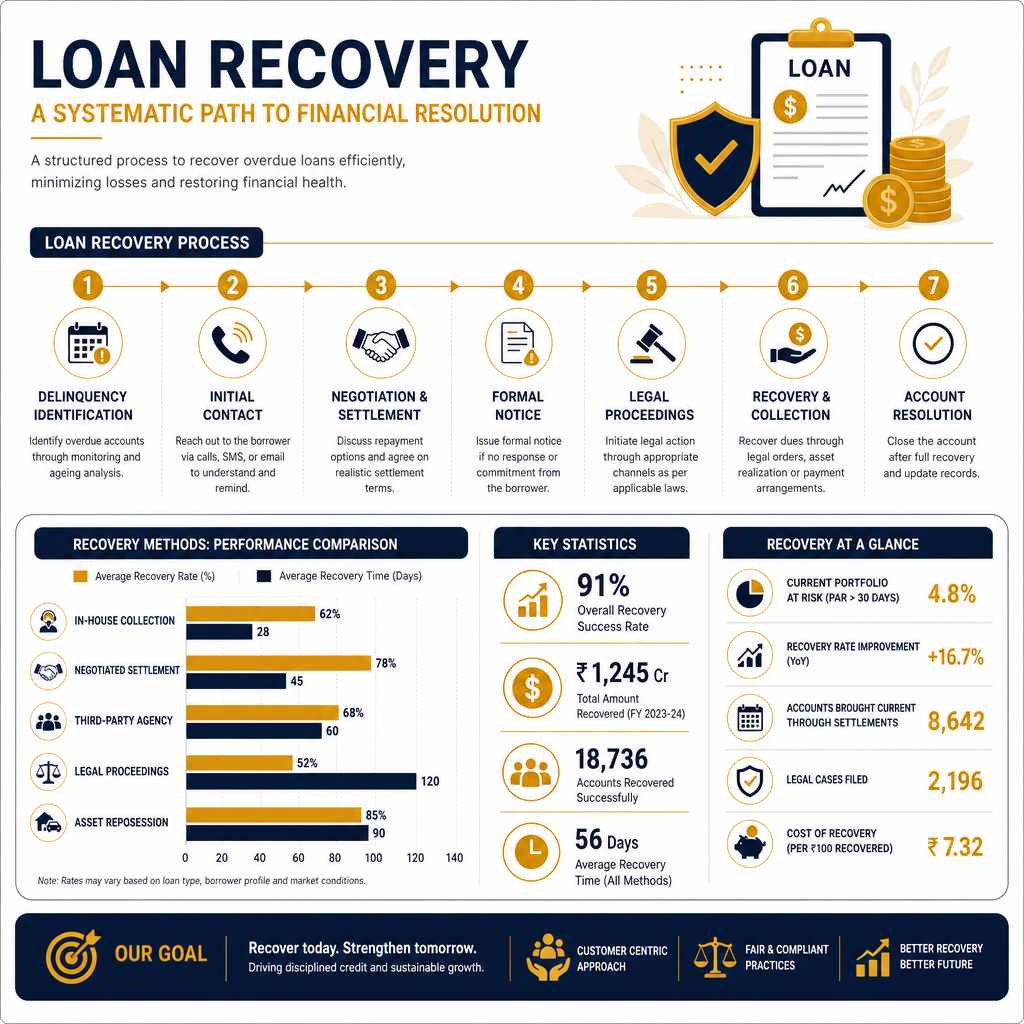
Prepared by AMA Legal Solutions Research & Analytics Team • Data & Compliance Overview

Halt Recovery Agent Harassment Legally
RBI Guidelines on Fair Practices in Loan Recovery
The Reserve Bank of India (RBI) has established detailed guidelines to ensure fair practices in loan recovery. These guidelines are critical for protecting borrowers from potential harassment by recovery agents and maintaining ethical standards in recovery processes. Banks and financial institutions must adhere to these norms to ensure that collection activities are conducted without compromising the dignity and rights of the borrower.
Key Provisions
- Recovery agents must be trained and certified to handle collections ethically and professionally.
- Agents should not resort to harassment or intimidation tactics during the recovery process.
- All interactions with the borrower must be documented, ensuring transparency and accountability.
- Banks must provide borrowers with clear and accurate information regarding the amount owed and recovery procedures.
Furthermore, the RBI guidelines mandate that banks engage in fair practices by ensuring recovery actions are conducted within reasonable hours and with due respect to privacy. In cases of any disputes or grievances, borrowers have the right to approach the bank's grievance redressal system for resolution. For those facing severe recovery actions, understanding your legal rights is crucial to effectively navigate these challenges.
Common Loan Recovery Tactics and How to Respond
Loan recovery can involve a myriad of tactics employed by banks and recovery agents to reclaim outstanding debts. Understanding these tactics and knowing how to respond can significantly impact the outcome. Below, we explore some common loan recovery methods and provide effective responses.
Frequent Phone Calls
Recovery agents often start with persistent phone calls to remind borrowers of their dues. The key is to communicate calmly and professionally. Clearly explain your situation and propose a feasible repayment plan. Should these interactions become aggressive or harassing, it’s important to know your legal rights against recovery agent harassment.
Legal Notices
Banks may issue legal notices as a formal step to demand payment. It's crucial to respond to these notices promptly and accurately. Seeking assistance from legal experts can help craft a proper reply to bank legal notices, potentially stopping further escalation.
Personal Visits
Personal visits by recovery agents can be daunting. Always meet in a public place if necessary, and remain composed. Consider having a witness present to ensure compliance with legal standards of conduct. If you feel your rights are being violated, it's wise to consult a lawyer immediately.
Negotiating Settlements
Negotiating a settlement can be an effective way to resolve debt, especially if financial hardships are well-documented. Engaging with a specialized service like loan settlement services can provide leverage and expertise, ensuring your interests are adequately represented during negotiations.
Structured Table: Legal Remedies vs. Procedural Steps
When dealing with loan recovery, understanding the distinction between legal remedies and procedural steps is crucial for borrowers facing financial distress. Legal remedies provide formal avenues for addressing disputes, while procedural steps guide the execution of recovery measures.
Legal Remedies
- Filing a Complaint: Borrowers can initiate legal complaints against unlawful actions by lenders or recovery agents. For insights, explore our Banking and Finance Law services.
- Injunctions: Seek court orders to halt aggressive recovery practices temporarily.
- Debt Settlement Negotiations: Engage in negotiations to settle outstanding amounts amicably. Consider our Loan Settlement Services for expert guidance.
- Consumer Court: Invoke your rights against unfair practices under the Consumer Protection Act.
Procedural Steps
- Notice Period: Banks must issue a formal notice before initiating recovery actions, providing borrowers time to respond.
- Possession of Collateral: For secured loans, lenders may take possession of collateral after complying with legal procedures.
- Legal Notices: Respond promptly to any legal notices to avoid escalation. Our guide on replying to bank legal notices offers detailed assistance.
- Arbitration: Some contracts may require disputes to be settled through arbitration rather than litigation. Explore Arbitration and Dispute Resolution services for more information.
These elements highlight the pathways available for resolving loan recovery issues, balancing legal rights with procedural obligations. It is essential to evaluate both avenues for informed decision-making in loan disputes.
Mistakes Borrowers Often Make During Loan Recovery Processes
The loan recovery process can be daunting, and borrowers often make avoidable mistakes due to stress and misinformation. Understanding these pitfalls can help you navigate the process more effectively. Below are common errors borrowers should avoid:
Ineffective Communication
Many borrowers either avoid communicating with lenders or fail to document interactions. It's crucial to maintain open lines of communication while ensuring all conversations and agreements are documented. This serves as evidence and can aid in resolving disputes. For professional guidance, consider our Loan Settlement Services.
Ignoring Legal Notices
Some borrowers mistakenly ignore legal notices thinking they are mere threats. Ignoring these can lead to severe legal consequences. Immediate legal consultation can prevent escalation. Understand how to Reply to Bank Legal Notice for Loan Default effectively.
Not Understanding Rights
Borrowers often don't fully understand their legal rights during recovery processes. This lack of awareness can lead to compliance with unlawful demands from recovery agents. Knowing your rights can empower you to challenge improper actions and request lawful treatment.
Trying to Handle Alone
Attempting to manage the recovery process without professional help can be overwhelming. Engaging with experienced legal professionals can provide strategic advantages and lead to better settlement outcomes. Consider exploring our Banking and Finance Law services for expert assistance.
Avoiding these common mistakes can significantly improve your chances of a favorable outcome in loan recovery processes.
Expert Tips for Negotiating Loan Settlements
Negotiating a loan settlement can be a daunting task, but with the right approach, it can be successfully managed. Here are some expert tips that greatly enhance your chances of reaching a favorable agreement:
Understand Your Financial Situation
Before initiating settlement discussions, assess your financial standing. Know your budget constraints and the maximum amount you can offer as a lump sum or through an installment plan. This knowledge is crucial when negotiating terms.
Gather All Relevant Documentation
Compile all relevant documents such as loan agreements, payment records, and correspondence with the bank. This documentation will support your negotiation stance and demonstrate your commitment to resolving the debt.
Communicate Effectively
During negotiations, communicate clearly and respectfully with bank representatives. Articulate your financial difficulties while proposing realistic repayment solutions. Professionalism can significantly impact the negotiation outcome.
Seek Legal Guidance
Engaging a legal expert can provide strategic advantages. An experienced lawyer familiar with Loan Settlement Services or Banking and Finance Law can guide the negotiation process, ensuring your rights are protected and the best terms are achieved.
- Avoid aggressive tactics; they often backfire.
- Stay patient-settlement negotiations can be prolonged.
- Document all discussions and agreements in writing.
Case Study: Successful Loan Recovery Negotiations
In 2022, an Indian MSME faced severe financial distress due to unexpected market downturns. With outstanding loans totaling ₹50 lakhs, the company was on the brink of default. Understanding the repercussions of a bank recovery process, they sought legal advice early, which proved to be a game-changer.
The company engaged a legal expert well-versed in Banking and Finance Law. The lawyer initiated a dialogue with the bank, emphasizing the client's intent to resolve the debt without litigation. This approach built trust and opened avenues for negotiation.
The bank, realizing the value in a collaborative resolution, agreed to restructure the debt. Terms included reduced monthly payments and a lower interest rate, based on the client's demonstrated financial recovery plan. This plan detailed expected revenue inflows and cost-cutting measures.
Throughout the process, the legal team emphasized transparent communication, and documentation of all proceedings, ensuring alignment with RBI guidelines. The result was a successful restructuring of the loan, allowing the company to stabilize operations without damaging its credit score.
This case exemplifies the critical role experienced legal consultation can play in loan settlement services, enabling borrowers to responsibly manage financial distress.
Popular Searches & Topics
Commonly searched legal queries and keywords related to this article
Need Strategic Legal Defense for Your Situation?
Our banking & litigation advocates review your notices, debt liability, and recovery issues under complete advocate-client secrecy.
AMA Legal Solutions
Trusted with a 4.7 Google Rating, over 10,000+ Clients Served, 25,000+ Cases Handled, and more than 40+ Years of Experience in providing strategic legal defense and debt resolution across India.
Our media coverages





Client Reviews
"Their team provided excellent advice on negotiating with banks, helping me secure a favorable loan settlement."
Priya Mehta
"AMA Legal Solutions made navigating the DRT process straightforward and stress-free. Their support was crucial in my case."
Vikram Singh
"Professional and compassionate service. They handled my loan default situation with utmost diligence and expertise."
Anjali Patel
"The legal insights on consumer rights against coercive recovery were a game-changer for my case. Highly recommend their services."
Sunil Kumar
"AMA Legal Solutions expertly guided me through a complex loan recovery issue. Their knowledge of the SARFAESI Act was invaluable."
Rohit Sharma
Frequently Asked Questions
Related Articles
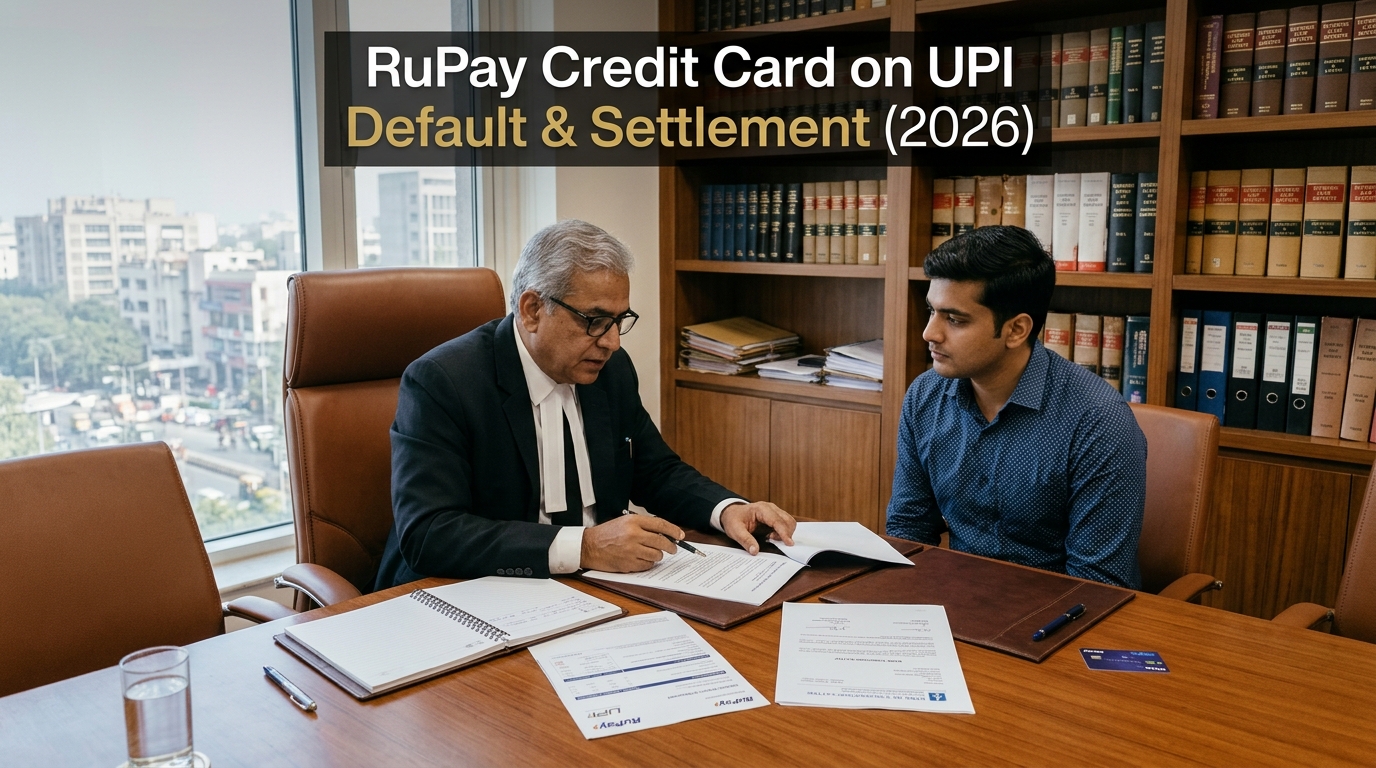
RuPay Credit Card on UPI Default & Credit Line on UPI Settlement (2026)
Micro-transactions on RuPay UPI Credit Cards and pre-approved 'Credit Lines on UPI' have triggered a massive wave of 42%+ APR revolving debt traps. Find out if defaulting blocks your personal savings UPI and how to settle RuPay UPI credit dues for 30%–50%.
Read Article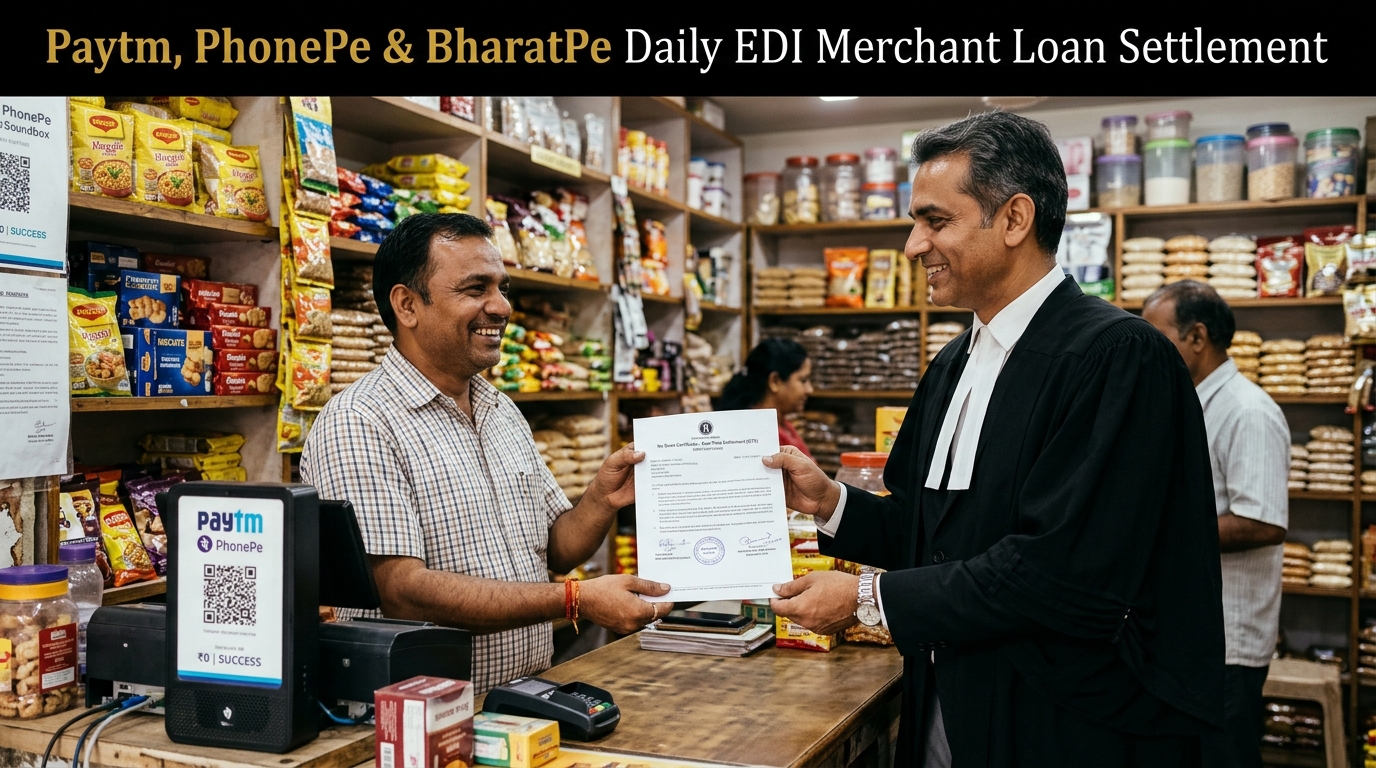
Paytm, PhonePe & BharatPe Daily EDI Merchant Loan Settlement (2026)
Drowning in Equated Daily Installment (EDI) merchant loans where 100% of your daily QR Soundbox collections are auto-swept before you can pay suppliers or rent? Learn how retail shopkeepers and MSMEs legally halt QR sweeps and negotiate a 50%+ OTS.
Read Article
Can Bank or Loan App Remotely Lock Phone for EMI Default? RBI Rules (2026)
An investigative breakdown of RBI's Remote Device Locking Directions—explaining why lenders cannot lock your phone for personal loans, the mandatory 30/60 DPD safeguards on financed devices, the Rs. 250/hour delay penalty, and how to settle device & app loans.
Read ArticleAbout Author
Anuj Anand Malik
View ProfileAnuj Anand Malik, Founder of AMA Legal Solutions, is a trusted advocate, loan settlement expert, legal advisor, and banking lawyer. With over a decade of experience in loan settlement, corporate law, financial disputes, and compliance, he leads a result-driven law firm based in India that helps individuals, startups, and businesses achieve legal and financial stability.
Connect on LinkedInNeed Legal Representation?
Evaluate your defense against recovery agents, notices, or structure your loan settlement directly with Senior Advocates.
Call +91-8700343611