Top Loan Settlement Companies in India: A Comprehensive Guide
Navigate India's loan settlement landscape with expert insights.

Anuj Anand Malik
Reviewed by AMA Legal Solutions

Key Takeaways: Loan settlement offers a lifeline for financially distressed borrowers by negotiating reduced debt with lenders. While it provides immediate relief and halts legal action, it can impact credit scores. Engaging a loan settlement company aids in navigating legal complexities and optimizing settlement outcomes. Understanding the process, benefits, and potential risks ensures informed decision-making for borrowers considering this option.
Understanding Loan Settlement: Definition and Key Benefits
Loan settlement is a process where a borrower negotiates with a lender to pay a lump sum amount that is less than the full outstanding debt, effectively settling the loan. This approach is often pursued by those facing significant financial distress or unable to meet monthly EMI commitments. It’s a strategic move that can alleviate pressure from persistent recovery calls and allow borrowers to start afresh.
Key Benefits of Loan Settlement
- Debt Relief: Allows borrowers to pay a reduced amount, which can be a financial lifesaver during tough times.
- Stop Legal Action: Successfully settling your loan can halt ongoing legal proceedings, such as recovery suits.
- Financial Reset: Provides an opportunity to rebuild your finances without the burden of excessive debt.
- Pace of Negotiation: Negotiation speed can be advantageous; borrowers can directly communicate with lenders, sometimes aided by loan settlement services.
However, it's crucial to understand that settling a loan can impact your credit score. For detailed guidance on managing your credit post-settlement, you might explore our insights on how to repair your credit score. A well-negotiated settlement can lead to financial stability, though it's essential to weigh the potential impact on your credit profile.
How Loan Settlement Companies Operate in India
Loan settlement companies in India function by negotiating with lenders to settle debts for less than the full amount owed. They serve as intermediaries between the borrower and the lender, ensuring a strategic approach to debt resolution that is in compliance with legal frameworks. Typically, they begin by assessing the borrower's financial situation, followed by formulating a settlement strategy that maximizes debt relief while minimizing credit score damage. Engaging these companies can be particularly beneficial when dealing with complex financial distress scenarios.
Operational Steps and Legal Considerations
- Initial Consultation: The company evaluates the borrower's financial status to determine eligibility for debt settlement.
- Proposal Formulation: A tailored settlement proposal is crafted, balancing the borrower's capacity and the lender's expectations.
- Negotiation: The company negotiates with creditors, aiming for a reduced settlement amount.
- Settlement Agreement: Once an agreement is reached, legal documentation is prepared to finalize the settlement.
For borrowers considering this option, understanding the loan settlement process is crucial. This ensures informed decision-making and maximizes the benefits of settlement while minimizing potential downsides.
| Parameter / Criterion | Key Details / Legal Provision | Timeline / Practical Impact |
|---|---|---|
| Initial Evaluation | Financial assessment and eligibility check | 1-2 weeks |
| Proposal Development | Strategy based on borrower’s financial capacity | 2-3 weeks |
| Negotiation Phase | Engagement with creditors for a lower settlement | Varies, typically 1-3 months |
| Final Settlement | Legal documentation and agreement execution | 1-2 weeks post-negotiation |
Engaging with a reliable banking and finance law expert can aid significantly in navigating the complex procedures effectively, ensuring compliance with legal standards while aiming for optimal debt reduction.
Legal Framework Governing Loan Settlement in India
The legal framework for loan settlement in India is primarily regulated by the Reserve Bank of India (RBI), which issues guidelines to ensure fair practices. Loan settlement involves negotiations between borrowers and lenders to agree on a reduced payment amount to settle the outstanding debt. While the RBI provides a broad framework, specific implementations can vary among banks and financial institutions.
The One-Time Settlement (OTS) scheme is a common method, allowing borrowers to clear debts by paying a lump sum. This is often advantageous for borrowers in financial distress as it avoids further interest accruals. The OTS terms are generally more flexible for Non-Performing Assets (NPAs), where the borrower is unable to continue regular payments.
RBI Guidelines and Consumer Rights
- The RBI mandates that banks must handle settlements transparently, providing clear communication about terms and conditions.
- Borrowers have the right to receive a 'no dues' certificate upon settlement, which is crucial to ensuring a clean credit record.
- Engaging with Banking and Finance Law experts can help borrowers understand their rights and obligations.
Understanding these legal frameworks can empower borrowers to negotiate effectively and seek settlements that protect their financial interests.
Criteria for Selecting a Loan Settlement Company
Choosing the right loan settlement company in India is crucial for effectively managing your debt. Here's what to consider:
Reputation and Experience
Look for companies with a proven track record in loan settlement services. Their experience in negotiating with banks and financial institutions can be pivotal in achieving favorable settlements.
Transparency in Fees
A trustworthy company will clearly explain their fee structure upfront. Avoid those with hidden charges or ambiguous terms. It's essential to understand how fees are calculated and at what stage of the process you'll be liable to pay.
Comprehensive Services
Opt for services that go beyond settlement negotiations. Companies providing additional support in banking and finance law and post-settlement credit repair present more value.
Client Reviews and Testimonials
Read client reviews and testimonials to gauge satisfaction and service effectiveness. Positive feedback from past clients can provide assurance about the company's capabilities.
Legal Expertise
Ensure the company has a team with legal expertise. Understanding arbitration and dispute resolution can be advantageous, especially if negotiations require legal intervention.
By considering these criteria, you can select a reliable loan settlement company that aligns with your financial needs and helps in reducing your debt efficiently.
Comparative Analysis of Top Loan Settlement Companies
When considering loan settlement companies in India, several factors differentiate the top players from the rest. Recognizing these distinctions is crucial for borrowers facing financial challenges. Here’s how some of the leading companies stack up against each other:
Experience and Expertise
- Many top companies boast over a decade of experience in handling complex loan settlements, providing a rich understanding of the nuances in negotiations with banks and financial institutions.
- Some firms specialize in debt consolidation and restructuring, offering customized solutions to consolidate multiple loans into a manageable single payment.
Success Rate and Client Satisfaction
- Reputable companies often have a high success rate in reaching amicable settlements that significantly reduce the outstanding loan amounts.
- Client testimonials and case studies frequently highlight the personalized approach and effective communication maintained throughout the settlement process.
Regulatory Compliance and Transparency
- Compliance with the Reserve Bank of India (RBI) guidelines is a priority, ensuring that all negotiations and settlements are conducted within legal boundaries.
- Leading firms provide transparent fee structures with no hidden costs, making it easier for clients to understand their financial commitments upfront.
In summary, the best loan settlement companies differentiate themselves through their wealth of experience, transparent practices, and commitment to client outcomes, making them an invaluable ally in financial recovery. For more detailed insights into the legal aspects, explore our Banking and Finance Law services.
Step-by-Step Loan Settlement Process Explained
Understanding the loan settlement process is crucial for borrowers in India facing financial distress. Here is a comprehensive guide to navigate this complex path effectively:
1. Assessment and Documentation
The first step involves assessing your financial situation. Gather all loan-related documents, such as loan agreements, payment records, and any notices received from the bank. Proper documentation is essential for negotiations.
2. Approach the Lender
Initiate a conversation with your lender to discuss your financial difficulties. Clearly explain your situation and express the desire for a settlement. This step is crucial in assessing the lender's willingness to negotiate.
3. Negotiation and Offer
- Present a settlement offer based on your financial capacity.
- Negotiate terms that are feasible for you while ensuring the lender's agreement.
- Consider seeking professional advice from a Loan Settlement Services expert for better outcomes.
4. Settlement Agreement
Once both parties agree on the settlement terms, formalize the agreement in writing. Ensure that all terms are clear and legally binding.
5. Payment and Closure
Fulfill the settlement amount as per the agreement. Ensure you receive a "No Objection Certificate" from the lender upon completion to avoid future disputes.
| Parameter / Criterion | Key Details / Legal Provision | Timeline / Practical Impact |
|---|---|---|
| Documentation | Loan agreements, notices, payment records | Immediate, to begin negotiations |
| Lender Approach | Initiate dialogue for settlement | 1-2 Weeks |
| Negotiation | Determine feasible terms | 1-3 Months |
| Agreement | Written, legally binding | 1 Week |
| Payment Closure | Fulfill agreed amount | As per agreement terms |
For borrowers seeking professional assistance, learning from Banking and Finance Law experts can offer strategic advantages. This structured approach ensures a systematic resolution to financial challenges, safeguarding your credit health.
Key Insights & Data Infographic
Visual summary, statistical trends & procedural breakdown
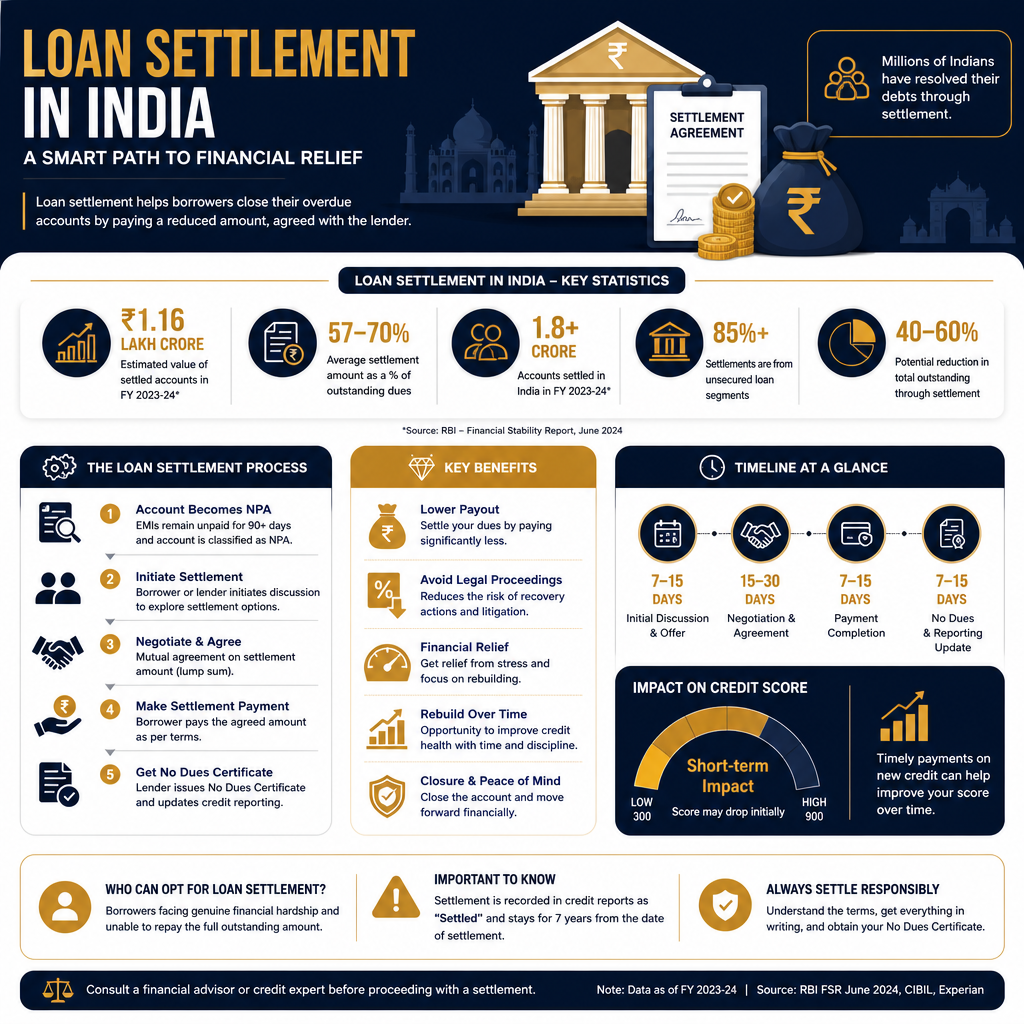
Prepared by AMA Legal Solutions Research & Analytics Team • Data & Compliance Overview

Halt Recovery Agent Harassment Legally
Understanding the Fees: What to Expect from Loan Settlement Firms
When dealing with loan settlement companies in India, understanding their fee structures is crucial. These firms typically charge for their expertise in negotiating with banks to reduce your outstanding loan amount. While fees can vary, a common model involves an upfront fee combined with a percentage of the amount saved through the settlement.
Fee Components
- Consultation Fee: Many firms charge an initial fee for consulting and assessing your financial situation. This fee can range from a few thousand rupees to more, depending on the firm's reputation.
- Processing Fee: This fee covers the administrative costs associated with your case. It is usually a fixed amount.
- Success Fee: Often a percentage of the reduction achieved in your loan balance, this fee aligns the firm's interests with yours-success for you equates to success for them.
It's important to ensure transparency with your settlement firm regarding these fees. Clarify what each fee covers and confirm there are no hidden charges. For those struggling with multiple debts, considering debt consolidation options may provide additional savings and a more straightforward fee structure.
Remember, a reputable firm will always provide a clear breakdown of costs and be willing to answer any questions you may have about their fees and services.
Rights and Obligations of Borrowers in Loan Settlement
In the landscape of loan settlement in India, borrowers have distinct rights and obligations that are crucial to understand. The Reserve Bank of India (RBI) provides specific guidelines to ensure borrowers are not exploited during settlement negotiations.
Key Rights of Borrowers
- Right to Fair Treatment: Borrowers are entitled to be treated with respect and without harassment by banks and loan settlement companies.
- Right to Clear Information: All terms and conditions must be transparently communicated, ensuring borrowers comprehend the implications of settlement.
- Right to Privacy: Borrowers’ personal information must be protected and not disclosed without consent.
- Right to Dispute Resolution: Borrowers can approach arbitration in case of disputes during the settlement process.
Borrower Obligations
- Honesty in Communication: Borrowers must provide truthful information about their financial status and repayment abilities.
- Timely Response: Engaging promptly with banks or settlement companies is essential to avoid escalation.
- Adherence to Settled Terms: Once a settlement is agreed upon, borrowers must adhere to the repayment plan to prevent further action.
Understanding these rights and obligations empowers borrowers to navigate loan settlements effectively. For further guidance, consider consulting our Banking and Finance Law services for personalized advice.
Common Mistakes to Avoid When Engaging a Loan Settlement Company
When dealing with loan settlement companies in India, it's crucial to navigate the process carefully to avoid costly errors. Here's a breakdown of common mistakes that borrowers often make.
1. Not Understanding the Fee Structure
Many borrowers jump into agreements without fully understanding the fee structure of the settlement company. Always ensure you have a clear breakdown of costs to avoid unexpected charges. Request a detailed agreement or proposal that outlines all fees involved, including success fees and any hidden costs.
2. Failing to Research the Company's Reputation
Engaging with a company without verifying its credibility can lead to disastrous outcomes. Look for customer reviews, testimonials, and any past complaints. Consider checking if the company is registered with relevant industry bodies and has an established track record in the field.
3. Overlooking the Fine Print
Ignoring the fine print in contracts can lead to unfavorable terms. Ensure you read all documents thoroughly, especially concerning liability, confidentiality, and cancellation policies. When in doubt, seek legal advice or assistance from professionals experienced in banking and finance law.
4. Neglecting Communication
Open communication with your settlement company is vital. Regular updates and transparent exchanges can prevent misunderstandings. Avoid companies that are unresponsive or fail to keep you in the loop regarding your settlement progress.
5. Not Verifying the Company's Legal Standing
Before committing, confirm that the company is legally authorized to operate. Verify their registration and ensure compliance with local laws. This step helps in safeguarding against fraudulent practices.
The Role of RBI Guidelines in Loan Settlement
The Reserve Bank of India (RBI) plays a crucial role in shaping the framework within which loan settlement companies operate in India. These guidelines ensure that settlements are conducted fairly and transparently, benefiting both borrowers and financial institutions.
Firstly, the RBI has laid down directives on how non-performing assets (NPAs) should be handled. This is significant as it directly impacts the settlement process. Banks and financial institutions are encouraged to resolve NPAs efficiently to minimize financial losses. This has led to an increase in amicable settlements, where borrowers can negotiate terms more favorably.
Additionally, the RBI mandates that all communications related to settlements must be clear and precise. Borrowers should be fully informed of the terms being offered, and any clauses within the settlement agreement must comply with RBI standards. This transparency is vital to prevent any exploitation during the settlement process.
- RBI guidelines ensure ethical conduct by recovery agents, limiting harassment and ensuring humane treatment of borrowers.
- The guidelines also provide a framework for restructuring loans, an essential aspect of settlement negotiations.
- It is advisable to consult firms experienced in Loan Settlement Services to navigate these regulations effectively.
While the primary goal of these guidelines is to maintain financial stability, they also aim to safeguard consumer rights, ensuring a balanced approach in Banking and Finance Law. Understanding these regulations can empower borrowers to achieve more favorable settlement outcomes.
How to Negotiate Effectively with Loan Settlement Companies
Negotiating with loan settlement companies requires a strategic approach. Begin by understanding the scope of your debt and the settlement options available. Gather all relevant financial documents, including loan agreements, repayment history, and any correspondence with the lender. This documentation will serve as your foundation in discussions.
Know Your Financial Position
Conduct a thorough assessment of your financial health. This includes calculating your total debt, monthly income, and essential expenses. Clear knowledge of your financial capacity will enable you to propose a realistic settlement figure. Loan settlement companies appreciate borrowers who have done their homework and are more inclined to negotiate when they see a genuine effort to repay.
Communicate Clearly and Confidently
When initiating discussions, communicate your circumstances clearly. Be honest about any hardships but also emphasize your commitment to settling the debt. Propose a reasonable offer, but be prepared for counteroffers. Patience and persistence are key. It's important to maintain a professional demeanor and documentation of all communications.
- Remain calm and assertive during negotiations.
- Get all settlement offers in writing before finalizing any agreement.
- Consider seeking advice from a legal expert in banking and finance law if negotiations become complex.
Ultimately, successful negotiations with loan settlement companies in India hinge on preparation, transparency, and a firm understanding of your financial position. Stay informed about your credit score repair options post-settlement to ensure long-term financial health.
Case Studies: Successful Loan Settlements in India
Understanding how loan settlement services operate can be enriched by examining real-life cases where borrowers have successfully navigated the settlement process. These cases shed light on the tactics and strategies that have proven effective in reducing debt burdens.
Case Study 1: A Small Business Triumph
A micro, small, and medium enterprise (MSME) in Mumbai faced legal action from a bank over a defaulted loan. By engaging a reputable loan settlement company, the MSME negotiated a settlement that reduced their liability by 40%, allowing them to retain essential assets and continue operations. The key was providing comprehensive financial records and demonstrating a feasible repayment plan.
Case Study 2: Personal Loan Resolution
In Delhi, a salaried individual struggled with mounting debt following job loss. With the assistance of a loan settlement company, the borrower successfully negotiated a settlement, reducing the overall debt by 35% and restructuring the repayment terms. This was achieved by proving temporary financial hardship and a commitment to resume payments.
Both these cases exemplify the importance of professional guidance. For more insights, explore our Banking and Finance Law services to understand how legal expertise can aid in such settlements.
Popular Searches & Topics
Commonly searched legal queries and keywords related to this article
Need Strategic Legal Defense for Your Situation?
Our banking & litigation advocates review your notices, debt liability, and recovery issues under complete advocate-client secrecy.
AMA Legal Solutions
Trusted with a 4.7 Google Rating, over 10,000+ Clients Served, 25,000+ Cases Handled, and more than 40+ Years of Experience in providing strategic legal defense and debt resolution across India.
Our media coverages





Client Reviews
"The team at AMA Legal Solutions was incredibly knowledgeable and helped me navigate a complex settlement process with ease. Highly recommended!"
Rohit Patel
"Excellent service from AMA Legal Solutions. Their expertise in loan settlement was evident, and they achieved a great outcome for me."
Vikram Singh
"I am grateful to AMA Legal Solutions for their expert handling of my loan settlement. They negotiated effectively and eased my financial burden."
Priya Sharma
"AMA Legal Solutions provided excellent guidance, helping me settle my loan efficiently. The team was professional and supportive throughout the process."
Arjun Mehta
"AMA Legal Solutions exceeded my expectations with their professionalism and results. They secured a favorable settlement that saved me a lot of stress."
Neha Joshi
Frequently Asked Questions
Related Articles
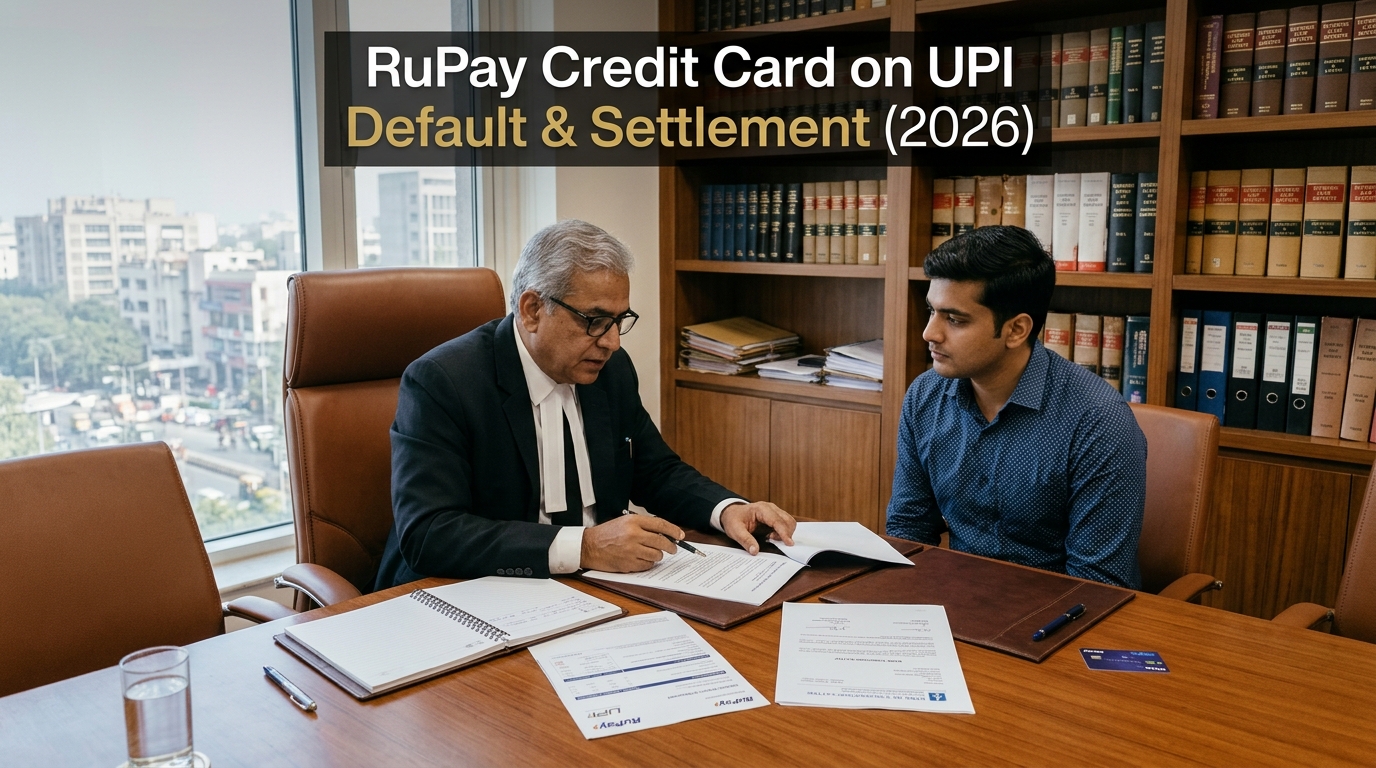
RuPay Credit Card on UPI Default & Credit Line on UPI Settlement (2026)
Micro-transactions on RuPay UPI Credit Cards and pre-approved 'Credit Lines on UPI' have triggered a massive wave of 42%+ APR revolving debt traps. Find out if defaulting blocks your personal savings UPI and how to settle RuPay UPI credit dues for 30%–50%.
Read Article
Paytm, PhonePe & BharatPe Daily EDI Merchant Loan Settlement (2026)
Drowning in Equated Daily Installment (EDI) merchant loans where 100% of your daily QR Soundbox collections are auto-swept before you can pay suppliers or rent? Learn how retail shopkeepers and MSMEs legally halt QR sweeps and negotiate a 50%+ OTS.
Read Article
Can Bank or Loan App Remotely Lock Phone for EMI Default? RBI Rules (2026)
An investigative breakdown of RBI's Remote Device Locking Directions—explaining why lenders cannot lock your phone for personal loans, the mandatory 30/60 DPD safeguards on financed devices, the Rs. 250/hour delay penalty, and how to settle device & app loans.
Read ArticleAbout Author
Anuj Anand Malik
View ProfileAnuj Anand Malik, Founder of AMA Legal Solutions, is a trusted advocate, loan settlement expert, legal advisor, and banking lawyer. With over a decade of experience in loan settlement, corporate law, financial disputes, and compliance, he leads a result-driven law firm based in India that helps individuals, startups, and businesses achieve legal and financial stability.
Connect on LinkedInNeed Legal Representation?
Evaluate your defense against recovery agents, notices, or structure your loan settlement directly with Senior Advocates.
Call +91-8700343611