Navigating Section 138: When Accused Misses Legal Notice
Understand your rights if you haven't received a Section 138 notice

Anuj Anand Malik
Reviewed by AMA Legal Solutions
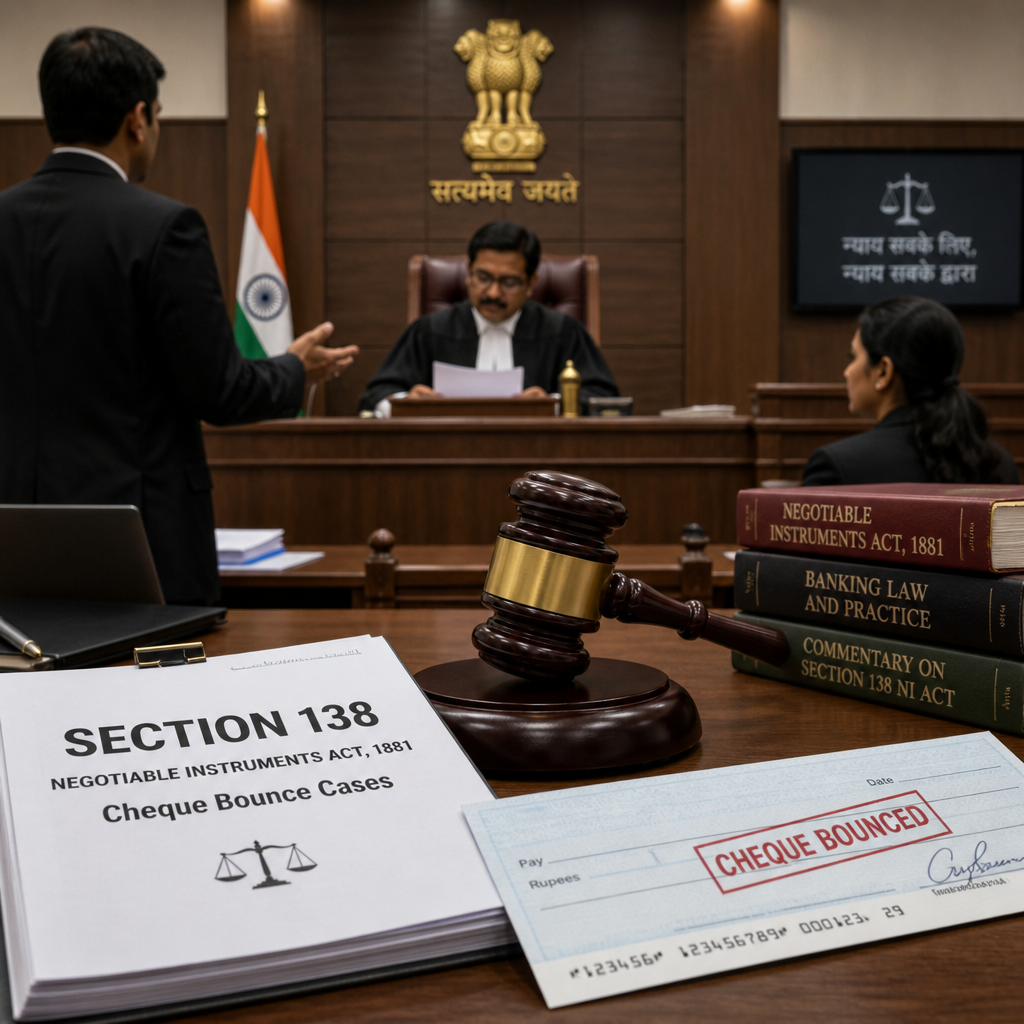
Introduction to Section 138 Cases
Section 138 of the Negotiable Instruments Act, 1881, addresses the issue of cheque dishonor, a significant concern in the Indian financial landscape. When a cheque issued by an individual bounces due to insufficient funds, it can lead to criminal liability under this section. The Act mandates that the payee must issue a legal notice to the drawer within 30 days of receiving information about the dishonor. This notice serves as an opportunity for the drawer to make the payment within 15 days of receipt.
However, complexities arise when the accused claims not to have received the legal notice. Under Indian law, the presumption of service is in favor of the sender if the notice is dispatched to the correct address via registered post or any other acceptable means. This presumption can significantly impact the outcome of the case, placing the burden on the accused to prove non-receipt. Failing to address the notice or respond appropriately can lead to compounding complications, including a criminal trial.
Understanding the procedural intricacies of Section 138 is crucial for both the payee and the accused. Legal nuances, such as the validity of notice service and timelines, play a pivotal role in defending or prosecuting such cases effectively, making it essential to seek expert legal counsel.
Understanding the Legal Framework of Section 138
Section 138 of the Negotiable Instruments Act, 1881, is designed to address the issue of cheque dishonor, providing a legal remedy to the payee. This section is crucial in ensuring confidence in commercial transactions by penalizing dishonored cheques due to insufficient funds or closed accounts. The section mandates specific conditions for prosecution, which include the cheque being presented within its validity period and a legal notice being sent to the drawer within 30 days of the dishonor.
If the accused claims not to have received the legal notice, it does not automatically nullify the proceedings. According to judicial precedents, including the Supreme Court's rulings, the notice is deemed to have been served if sent to the correct address via registered post. The accused is responsible for demonstrating that the non-receipt was not due to any fault of their own.
Key Elements of Section 138
Cheque Dishonor: Occurs when a cheque is returned by the bank unpaid.
Notice Requirement: Payee must send a notice demanding payment within 15 days of receiving the cheque return memo.
Non-Compliance: If the drawer fails to make the payment within 15 days of receiving the notice, it constitutes an offence.
Penalty: Prosecution can lead to imprisonment for up to two years or a fine up to twice the cheque amount, or both.
Importance of Legal Notice in Section 138 Proceedings
The issuance and receipt of a legal notice are pivotal in Section 138 proceedings under the Negotiable Instruments Act, 1881, which governs cheque bounce cases in India. The legal notice serves as a formal demand for payment from the drawer, and it initiates the legal framework that allows the payee to seek redressal through the courts.
Why is it important? The legal notice provides the accused with an opportunity to rectify the default by making the payment within 15 days of receiving the notice. This notice period is a crucial component, as it serves as a grace period for the drawer to avoid criminal proceedings by honoring the payment.
What happens if the notice isn't received? If the accused does not receive the legal notice, it can impact the proceedings. A well-drafted notice and proof of dispatch, such as postal receipts or tracking information, are vital to demonstrating that the notice was sent correctly. Courts often consider these aspects carefully to determine the validity of the complaint.
Legal Implications: A failure to issue a proper legal notice can render the complaint invalid. The complainant must ensure that the notice is drafted accurately and sent to the correct address, ensuring compliance with statutory requirements.
What Happens if the Accused Doesn't Receive a Legal Notice?
In Section 138 cases under the Negotiable Instruments Act, the receipt of a legal notice by the accused is a critical step. If the accused claims not to have received the notice, several legal nuances come into play. The law assumes that a notice sent via registered post, properly addressed and stamped, is deemed to be delivered. However, the accused can rebut this presumption by providing evidence such as proof of change in address or circumstances preventing receipt.
Legal Presumptions and Rebuttals
If the court accepts the accused's claim of non-receipt, the complainant might need to resend the notice or prove prior due diligence. The court will consider factors such as:
Proof of dispatch of the notice.
Correctness of the address used.
Steps taken by the accused to inform of address changes.
Failing to receive the notice can delay proceedings but doesn't absolve liability if the notice was sent correctly. Thus, it emphasizes the need for maintaining accurate address records and promptly updating any changes with relevant parties.
Ultimately, the court's discretion is pivotal, and such cases are evaluated on the specifics of evidence presented.
Legal Precedents on Non-Receipt of Notice
In India, the significance of serving a legal notice under Section 138 of the Negotiable Instruments Act is underscored by various judicial pronouncements. The Supreme Court in the case of C.C. Alavi Haji v. Palapetty Muhammed (2007) held that if the accused does not receive the notice for reasons attributable to them, they cannot escape liability. The court emphasized that the drawer is deemed to have knowledge of the dishonour if the notice is returned unclaimed, provided it was sent to the correct address.
Another landmark case, V. Raja Kumari v. P. Subbarama Naidu, further clarified that the burden of proving non-receipt of notice lies with the accused. The courts have consistently maintained that constructive service, such as an unclaimed registered post, constitutes adequate notice.
Implications of These Precedents
Accused must demonstrate genuine non-receipt, which can be challenging.
High importance is placed on the intent and conduct of the drawer.
Regardless of actual receipt, procedural adherence by the complainant is crucial.
These precedents affirm that the accused cannot merely deny receipt of notice to evade liability; they must substantiate their claim with credible evidence. This jurisprudence ensures that the legal notice process is both fair and binding.
Rights of the Accused in Section 138 Cases
Section 138 of the Negotiable Instruments Act provides several rights to the accused, especially if the legal notice was not received. Understanding these rights can significantly impact the outcome of the case:
Right to Challenge the Notice
If the accused did not receive the legal notice, they have the right to challenge its delivery. The burden of proof lies on the complainant to demonstrate that the notice was dispatched correctly and through appropriate channels.
Right to a Fair Trial
The accused is entitled to a fair trial, ensuring that all evidence, including proof of notice dispatch, is scrutinized. Courts often consider the validity of notice service as a crucial aspect of the trial.
Opportunity for Defense
Despite the absence of notice, the accused can present a defense by explaining the circumstances, such as changes in address or incorrect recipient details. This could potentially lead to dismissal of the case due to procedural lapses.
Right to be Heard
The accused has the right to be heard in court. They can argue their case, present evidence, and cross-examine the complainant’s witnesses to establish the lack of proper notice service.
Understanding these rights can provide significant leverage in defending against accusations under Section 138 and can be used to negotiate a settlement or dismissal of the case.

Recover Withheld Salary & FnF Dues
How to Verify if a Notice was Sent Properly
In a Section 138 case, it's crucial to confirm that a legal notice was dispatched correctly. This verification involves several steps that ensure compliances are met under the Negotiable Instruments Act. Begin with a detailed examination of the dispatch method.
Step-by-Step Verification Process
Registered Post or Courier Receipt: Obtain proof of dispatch through registered post or recognized courier service. This serves as primary evidence that the notice was sent.
Address Confirmation: Check the accuracy of the accused's address on the notice. Cross-verify with official records or previous correspondences.
Postal Acknowledgment: Look for any acknowledgment slip or return receipt that confirms delivery. If undelivered, check for any remarks like “unclaimed” or “not reachable”.
Consignment Tracking: Use the tracking number to follow the courier’s delivery status online. This provides a real-time update on the notice’s journey.
Ensure that all documentation is preserved systematically. In cases where the notice is allegedly not received, these records form the foundation of establishing due diligence in sending the legal notice. This is critical as failure to prove proper dispatch might affect the outcome of the case.
Steps to Take if You Haven't Received a Notice
If you find yourself accused in a Section 138 case but haven’t received a legal notice, it’s vital to act promptly and strategically to protect your rights. Here’s a detailed approach to handling this situation:
1. Verify the Issuance of Notice
Contact the complainant or their legal representative to confirm whether a notice was dispatched and to which address.
Check if there was any error in the address or delivery method used, as this can affect the validity of the notice.
2. Collect Evidence
Gather any documentation you possess that may show the absence of receipt, such as postal records, absence during the delivery period, or incorrect address records.
These records can be pivotal in your defense strategy.
3. Seek Legal Advice
Consult with an experienced banking lawyer to assess your situation and advise on the best course of action.
Understanding the timelines and technicalities of Section 138 can greatly influence your defense.
4. Prepare for Proceedings
Even if you haven't received a notice, prepare for possible court proceedings by understanding the potential claims against you.
Your lawyer can help draft a suitable response or defense if the case proceeds to court.
Taking these steps promptly can help mitigate potential adverse effects and strengthen your position in any subsequent legal proceedings.
Impact of Non-Receipt on Court Proceedings
In Section 138 cases, the non-receipt of a legal notice by the accused can significantly impact court proceedings. Typically, the legal notice serves as a critical initiation step, informing the accused of the dishonoured cheque and demanding payment. If the accused does not receive this notice, it raises questions about the procedural fairness and the accused's right to a fair trial.
Legal Implications
When the accused claims non-receipt, the court will assess whether the notice was sent to the correct address via registered post or any other legally accepted method. The complainant must demonstrate due diligence in dispatching the notice. Failure to do so may lead to the dismissal of the complaint.
Burden of Proof
The burden of proof lies with the complainant to establish that the notice was dispatched correctly. Courts often accept the dispatch slip or postal acknowledgment as prima facie evidence unless the accused can provide compelling evidence of non-receipt or incorrect delivery.
Exceptions and Relief
Even if the court acknowledges non-receipt, it may not automatically dismiss the case. Courts could order an alternate route, such as personal service or publication, to ensure the accused is adequately informed. This ensures that the spirit of fair trial principles is upheld.
Legal Remedies and Defenses for Accused
In instances where the accused in a Section 138 case claims not to have received the legal notice, several defenses and remedies are available. The absence of a legal notice can significantly impact the prosecution's case, as it is a necessary pre-condition for filing a complaint under Section 138 of the Negotiable Instruments Act.
Right to Challenge the Notice
The accused can challenge the validity of the notice by arguing non-service. This is crucial because the notice is meant to inform the accused of the cheque bounce and provide an opportunity to rectify the default. If non-receipt is proven, it can weaken the complainant's position.
Verification of Address
It is essential to verify the address to which the notice was sent. If the address is incorrect or incomplete, it strengthens the defense of non-receipt.
Check postal records for delivery attempts.
Seek evidence from the postal department if delivery was refused or returned.
Consider Legal Recourse
If the notice was genuinely missed due to reasons like change of address, the accused may file an application for condonation of delay, explaining the circumstances. It is advisable to consult a legal expert to explore the options available and ensure a robust defense strategy.
Practical Tips from Experienced Lawyers
Section 138 of the Negotiable Instruments Act is crucial for handling cheque bounce cases. However, if the accused claims they did not receive the legal notice, it opens up unique challenges and opportunities for both parties. Below are some practical tips from seasoned lawyers to navigate this situation effectively:
1. Verifying Notice Dispatch
Confirm the dispatch details of the legal notice. Ensure it was sent to the correct address using registered post or courier with acknowledgment due. Maintain proof of dispatch and receipt, as it can significantly influence the court's perspective.
2. Explore Alternative Service Methods
If a notice was genuinely missed, consider using additional methods for serving notices, such as email or SMS, especially if the accused's whereabouts are uncertain. However, these methods should comply with legal standards.
3. Judicial Precedents
Refer to past judgments where similar situations occurred, as courts may have established precedents. This can guide effective legal strategies and help anticipate opposing counsel's arguments.
4. Consult with a Legal Expert
Engage with a lawyer specializing in banking law to evaluate the case's intricacies and explore potential defenses or prosecutions strategies tailored to the specific circumstances.
5. Assess Settlement Opportunities
Sometimes, pursuing an amicable settlement can be more practical, especially if there is evidence of miscommunication. Evaluate the benefits of negotiation over prolonged litigation.
Common Mistakes and How to Avoid Them
In Section 138 cases, where the accused claims non-receipt of the legal notice, several common mistakes can weaken their defense. Understanding these pitfalls can help in crafting a more robust response.
Mistake 1: Ignoring Communication from the Bank
Ignoring bank communications can lead to unfavorable outcomes. Always respond promptly to any bank correspondence, even if you believe a notice wasn't received.
How to Avoid: Regularly update your contact details with the bank and monitor any communication channels for updates.
Mistake 2: Not Documenting Evidence of Non-Receipt
Failing to keep evidence of non-receipt can weaken your case. It’s essential to have proof, such as returned mail stamps or incorrect address issues.
How to Avoid: Keep comprehensive records of your correspondence and ensure your address is accurately reflected in all legal documents.
Mistake 3: Delaying Legal Consultation
Delaying consultation with a legal expert might cost valuable time to gather evidence and prepare your defense.
How to Avoid: Seek immediate legal advice upon learning about a case under Section 138, especially if you suspect non-receipt of notice.
Avoiding these mistakes can significantly strengthen your position in a Section 138 case, ensuring a more favorable outcome.
Need Strategic Legal Defense for Your Situation?
Our banking & litigation advocates review your notices, debt liability, and recovery issues under complete advocate-client secrecy.

AMA Legal Solutions
Trusted with a 4.7 Google Rating, over 10,000+ Clients Served, 25,000+ Cases Handled, and more than 40+ Years of Experience in providing strategic legal defense and debt resolution across India.
Our media coverages





Client Reviews
"I was impressed by the thoroughness and dedication of AMA Legal Solutions. They provided clear explanations and strategies which helped me successfully defend my Section 138 case. Excellent service!"
Rahul Verma
"Navigating legal issues can be daunting, but AMA Legal Solutions made it manageable. Their expertise in Section 138 cases ensured that I was well-prepared and confident. A reliable and skilled legal team."
Vikash Menon
"AMA Legal Solutions provided exceptional guidance on my Section 138 case. They meticulously handled the nuances of legal notice service, resulting in a favorable outcome. Highly recommend their expertise!"
Amit Gupta
"AMA Legal Solutions went above and beyond to assist me with my banking litigation. Their knowledge of Section 138 proceedings was evident in the seamless handling of my case. Truly satisfied with their service."
Sneha Kapoor
"The team at AMA Legal Solutions was incredibly professional and supportive. They navigated my cheque bounce issue with precision, ensuring all legal aspects were covered. Their experience truly made a difference."
Priya Sharma
Frequently Asked Questions
Related Articles
RuPay Credit Card on UPI Default & Credit Line on UPI Settlement (2026)
Micro-transactions on RuPay UPI Credit Cards and pre-approved 'Credit Lines on UPI' have triggered a massive wave of 42%+ APR revolving debt traps. Find out if defaulting blocks your personal savings UPI and how to settle RuPay UPI credit dues for 30%–50%.
Read Article
Paytm, PhonePe & BharatPe Daily EDI Merchant Loan Settlement (2026)
Drowning in Equated Daily Installment (EDI) merchant loans where 100% of your daily QR Soundbox collections are auto-swept before you can pay suppliers or rent? Learn how retail shopkeepers and MSMEs legally halt QR sweeps and negotiate a 50%+ OTS.
Read Article
Can Bank or Loan App Remotely Lock Phone for EMI Default? RBI Rules (2026)
An investigative breakdown of RBI's Remote Device Locking Directions—explaining why lenders cannot lock your phone for personal loans, the mandatory 30/60 DPD safeguards on financed devices, the Rs. 250/hour delay penalty, and how to settle device & app loans.
Read ArticleAbout Author
Anuj Anand Malik
View ProfileAnuj Anand Malik, Founder of AMA Legal Solutions, is a trusted advocate, loan settlement expert, legal advisor, and banking lawyer. With over a decade of experience in loan settlement, corporate law, financial disputes, and compliance, he leads a result-driven law firm based in India that helps individuals, startups, and businesses achieve legal and financial stability.
Connect on LinkedInNeed Legal Representation?
Evaluate your defense against recovery agents, notices, or structure your loan settlement directly with Senior Advocates.
Call +91-8700343611