Loan Recovery Agent Harassment: What to Do
Learn how to handle harassment from loan recovery agents effectively.

Anuj Anand Malik
Reviewed by AMA Legal Solutions
Introduction to Loan Recovery Agent Harassment
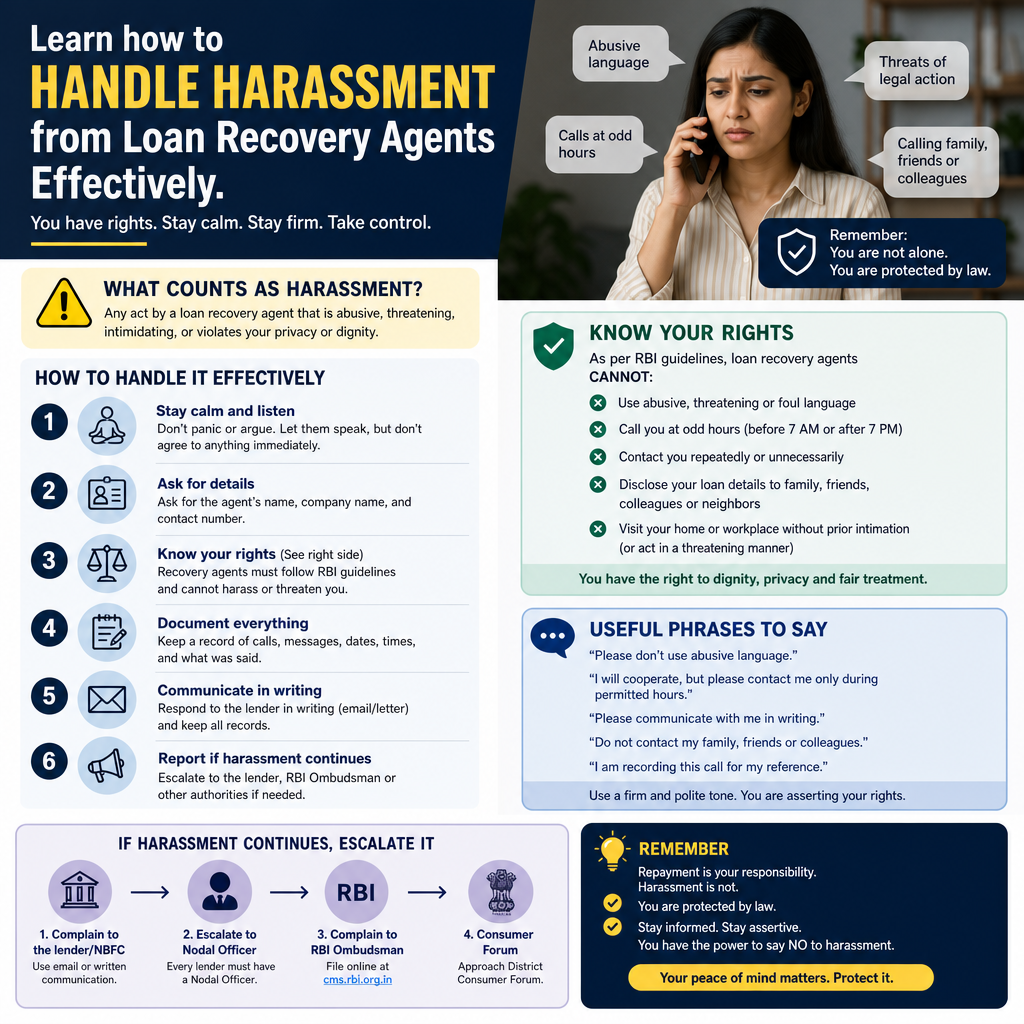
In India, the issue of loan recovery agent harassment is a growing concern for many borrowers. When individuals default on their loans, financial institutions often employ recovery agents to reclaim the overdue amounts. However, some of these agents resort to unethical and aggressive tactics, causing distress to borrowers. Understanding your rights and knowing how to handle such situations is crucial for any individual facing undue harassment.
The Reserve Bank of India (RBI) has established guidelines to ensure fair practices in loan recovery processes. These guidelines are designed to protect borrowers from abusive practices. Despite this, there are instances where loan recovery agents overstep their boundaries. They may use intimidation, threats, or even public humiliation to pressurize borrowers into repaying their debts. Such behavior not only violates RBI norms but can also infringe on an individual's legal rights.
Borrowers should be aware that they have legal recourse in cases of harassment. It is essential to document all interactions with recovery agents, including calls and messages. This documentation can serve as crucial evidence should the need arise to take legal action. At AMA Legal Solutions, we provide comprehensive legal support in banking and finance matters, ensuring that borrowers are aware of their rights and are equipped to protect themselves against aggressive recovery practices.
Moreover, borrowers may seek to resolve loan disputes through various legal avenues. Engaging in loan settlement discussions can be an effective strategy to alleviate the pressure from recovery agents. Our loan settlement services offer expert advice and representation to achieve favorable outcomes without resorting to litigation.
It is also important to consider the broader legal framework when dealing with loan recovery harassment. The Indian Penal Code provides remedies against criminal intimidation and threats, which can be applicable in severe cases of harassment. Working with a legal firm experienced in criminal law can help in navigating these complex legal landscapes.
In conclusion, while financial institutions have the right to recover loans, it must be done within the legal and ethical boundaries set by the RBI. Borrowers need to remain informed, assert their legal rights, and seek professional legal assistance if faced with loan recovery agent harassment. At AMA Legal Solutions, we are committed to advocating for your rights and providing support through every step of the legal process.
Understanding the Legal Framework for Debt Collection
In India, the legal framework governing debt collection is designed to balance the rights of creditors with the protection of debtors from harassment. The Reserve Bank of India (RBI) has laid down specific guidelines that debt recovery agents must adhere to, ensuring that the process remains fair and legal. Understanding these regulations can help individuals facing harassment from loan recovery agents to know their rights and take appropriate action.
The RBI's guidelines emphasize that recovery agents must treat borrowers with dignity and respect. They are prohibited from engaging in abusive language, harassing phone calls, or any form of intimidation. Debt collection agencies are required to present proper identification and communicate with debtors at reasonable hours, generally between 7 a.m. and 7 p.m. If you believe a recovery agent is violating these rules, it may be worthwhile to explore our banking and finance services to better understand your legal options.
Furthermore, under the Indian Contract Act, 1872, and the Limitation Act, 1963, creditors must adhere to stipulations regarding the time frames within which debts can be legally claimed. If a loan recovery agent attempts to collect on a debt that falls outside these statutory periods, the debtor has a defense against such claims. In situations where there is a dispute over the validity of the debt, engaging in arbitration or seeking litigation services might be a strategic approach.
Additionally, the Consumer Protection Act, 2019 provides a safeguard for consumers against unfair trade practices, which includes harassment by recovery agents. Victims of such harassment can file a complaint with the consumer courts, seeking redress and compensation. For comprehensive support in filing such complaints or for advice on how to navigate these legal avenues, our civil law services could provide invaluable assistance.
It is important to document every interaction with loan recovery agents, noting any instances of improper conduct. This documentation can serve as critical evidence should you need to seek legal intervention. For help in preparing the necessary documentation or drafting a formal complaint, you may consider our drafting service, which can ensure your documents are professionally prepared and legally sound.
Recognizing Signs of Harassment by Loan Agents
Understanding when you are facing harassment by loan recovery agents is crucial in taking the necessary steps to protect yourself. With the rising concerns in the financial sector, many individuals find themselves vulnerable to aggressive recovery tactics. Familiarizing yourself with the signs of harassment can empower you to take action and seek legal recourse if necessary.
One of the most common signs of harassment is persistent and excessive communication. Loan agents may call you multiple times a day, at odd hours, or use different numbers to reach you. This constant communication is not only intrusive but can also mentally exhaust you. According to guidelines set by the Reserve Bank of India (RBI), such actions breach ethical practices. If you are in such a situation, consider consulting with legal professionals specializing in banking and finance issues to understand your rights better.
Another indicator of harassment is when loan agents employ threats or abusive language. This may include threatening to inform family members, employers, or even using physical threats as a form of intimidation. Such behavior is unacceptable and violates the norms of debtor-creditor interactions. Legal experts from criminal law departments can provide guidance on how to handle such situations effectively.
Harassment can also manifest through misinformation or misrepresentation. Loan agents might provide false information about the amount owed or the consequences of non-payment. Such misleading tactics aim to coerce you into making payments without a clear understanding of your obligations. Consulting with a loan settlement service can help clarify your actual dues and negotiate terms that are manageable and fair.
Furthermore, it's essential to be cautious of any unauthorized visits by recovery agents to your home or workplace. The RBI mandates that visits must be scheduled and done at a time convenient to you. Frequent unannounced visits can be considered a form of harassment. Should this occur, professional advice from a civil law expert can offer you the necessary legal protection and steps to address the issue.
In summary, recognizing the signs of harassment is the first step in seeking justice. Whether it's through excessive communication, threats, misinformation, or unauthorized visits, it’s crucial to know that you have legal avenues to explore. Engaging with litigation professionals can help you navigate the complexities of these situations, ensuring your rights are upheld and respected.
Your Legal Rights Against Harassment
In India, borrowers facing harassment from loan recovery agents have specific legal rights designed to protect them from unfair practices. The Reserve Bank of India (RBI) has laid down guidelines that financial institutions must follow, ensuring borrowers are treated with dignity and respect throughout the debt recovery process. Understanding these rights can help you take the necessary steps to safeguard yourself from undue distress.
Guidelines by the Reserve Bank of India
The RBI mandates that all recovery agents must adhere to fair practices when engaging with borrowers. This includes calling only between 9 a.m. and 7 p.m., and never resorting to intimidation or abusive language. If a recovery agent violates these guidelines, borrowers have the right to lodge a complaint with the bank, which is compelled to address the grievance seriously. For detailed advice on financial disputes, consider consulting our Banking and Finance experts at AMA Legal Solutions.
Legal Protections Under Indian Law
Under Indian law, harassment by loan recovery agents can be contested through various legal avenues. The Indian Penal Code (IPC) offers protection against criminal intimidation and threats, allowing borrowers to file police complaints if they experience such misconduct. Additionally, the Consumer Protection Act provides a framework for seeking redressal from unfair trade practices. For assistance with legal proceedings, our Criminal Law services can be an invaluable resource.
Actionable Steps for Borrowers
If you are subjected to harassment, documenting all interactions with recovery agents, including phone calls, emails, and visits, is crucial. This evidence can support your claims if legal action becomes necessary. Engaging with our Loan Settlement professionals can also help negotiate more manageable repayment terms, potentially alleviating the pressure from aggressive recovery practices.
Seeking Professional Legal Assistance
In situations where harassment persists, seeking professional legal assistance is advisable. Engaging with experienced legal professionals can help in filing necessary complaints and initiating legal proceedings. At AMA Legal Solutions, our Litigation team is adept at handling such cases, ensuring your rights are protected and pursued effectively.
For any legal drafting or advisory needs, our Drafting and consultation services can provide the required expertise to navigate these complex situations. Remember, you are not alone in this battle, and knowing your rights is the first step towards resolving loan recovery agent harassment effectively.
Documenting Incidents of Harassment
When dealing with the unwelcome attention of aggressive loan recovery agents, it is crucial to meticulously document each incident of harassment. Comprehensive records not only serve as valuable evidence if the matter escalates to legal proceedings but also provide a clear picture of the agent's behavior over time. This proactive approach can strengthen your case if you decide to seek legal redress or complaint resolution.
The first step in documenting harassment involves maintaining a detailed log of every interaction with the loan recovery agents. Note the date, time, and duration of each call or visit, along with the name of the agent if possible. Describing the tone and language used during these exchanges can further bolster your documentation. For instance, if the agent employed abusive language or threats, make sure to record those specific details.
Whenever feasible, gather tangible evidence such as call recordings, text messages, and emails. In India, recording conversations is legally permissible if one party to the conversation is aware of the recording. These records can be instrumental in proving a pattern of harassment. However, ensure that you comply with relevant privacy and data protection laws while doing so. For further guidance on legal aspects, consider consulting the Banking and Finance services offered by AMA Legal Solutions.
Steps to Strengthen Your Documentation
- Photographic Evidence: If the agent visits your home or workplace, take photographs or videos discreetly to create a visual record of their presence and behavior.
- Witnesses: If any third parties were present during these interactions, ask them to provide written statements describing what they witnessed.
- Official Complaints: File a complaint with the bank or financial institution and keep copies of all correspondence. This not only demonstrates your efforts to resolve the issue but also creates an official record of grievances.
In severe cases of harassment, seeking the assistance of legal professionals can be beneficial. Engaging with experts in Litigation and Civil law can help in crafting a more effective response, potentially leading to a favorable resolution. Remember, having well-documented evidence can be a powerful tool in holding recovery agents accountable and ensuring your rights are protected.
How to Report Harassment to Authorities
If you are facing harassment from loan recovery agents, it is crucial to know how to effectively report this to the authorities. The Reserve Bank of India (RBI) has guidelines in place to protect borrowers from undue harassment. Here is a step-by-step guide on how you can bring these issues to the attention of the appropriate authorities.
1. Gather Evidence
Before approaching the authorities, ensure you have substantial evidence to support your claim. This includes recording calls, saving text messages or emails where harassment is clearly evident, and noting down the timings and frequency of such interactions. Detailed documentation will strengthen your case when reporting to the authorities.
2. Lodge a Complaint with the Bank
Start by filing a formal complaint with your bank's grievance redressal officer. Every bank is mandated by the RBI to have a grievance redressal mechanism. Provide them with all the evidence you have gathered. If the bank fails to take satisfactory action within a month, you can escalate the matter to higher authorities.
3. Contact the Banking Ombudsman
If the bank does not resolve the issue to your satisfaction, contact the Banking Ombudsman. This is a quasi-judicial authority that addresses customer grievances against banks. You can file a complaint online through the RBI's official portal or send a written complaint to the nearest ombudsman office. For assistance with banking and finance complaints, consider exploring the Banking and Finance Services offered by AMA Legal Solutions.
4. File a Police Complaint
Harassment by loan recovery agents can sometimes constitute criminal behavior. If you feel threatened, do not hesitate to file a First Information Report (FIR) at your local police station. Harassment is a serious offense, and legal intervention might be necessary. In such cases, consulting with legal experts in Criminal Law can be beneficial.
5. Seek Legal Assistance
If these steps do not yield results, seeking legal recourse might be your next step. Legal professionals can guide you on filing a lawsuit or taking other civil actions. Firms like AMA Legal Solutions offer comprehensive Litigation Services, helping you navigate the complexities of legal proceedings to ensure your rights are protected.
Dealing with harassment from loan recovery agents can be overwhelming, but knowing the right steps to report it can make a significant difference. Stay informed and assert your rights to ensure such behavior is appropriately addressed.

Halt Recovery Agent Harassment Legally
Seeking Legal Assistance for Protection
Loan recovery agent harassment can be a daunting experience, leaving individuals unsure of their rights and the steps they can take to protect themselves. It is crucial to understand that legal avenues are available to address such harassment. Seeking professional legal assistance is a practical and effective strategy to safeguard your rights and interests. Here’s how you can proceed if you are facing undue pressure or harassment from loan recovery agents.
Firstly, consulting with a legal expert who specializes in banking and finance law can provide you with clarity on the legal protections available under Indian law. At AMA Legal Solutions, our experienced lawyers can help you understand your rights under the Reserve Bank of India's guidelines, which strictly prohibit abusive practices by recovery agents.
In cases where the harassment includes threats, intimidation, or any form of psychological abuse, it may also constitute a criminal offense. Engaging with a lawyer who has expertise in criminal law can be instrumental in taking appropriate legal action against the agents involved. Filing a police complaint with proper legal backing can act as a strong deterrent against further harassment.
Furthermore, if you have evidence of misconduct such as recordings of calls or other communications, these can be crucial in building a case. Our litigation experts at AMA Legal Solutions can assist you in gathering and presenting this evidence effectively. They can also represent you in court, ensuring that your case is argued with the utmost professionalism and attention to detail.
It's also worth considering alternative dispute resolution mechanisms. Arbitration or mediation can provide a less adversarial means to settle disputes with financial institutions. By opting for these methods, you can potentially reach a compromise or settlement without the stress and expense of a prolonged court case.
Finally, if you are considering loan settlement to resolve the issue amicably, our loan settlement experts can guide you through the process. They can negotiate with the financial institution on your behalf, aiming to reach a mutually acceptable agreement that alleviates your financial burden and stops the harassment.
The Role of Consumer Protection Agencies
In the face of loan recovery agent harassment, understanding the role of consumer protection agencies becomes crucial. These agencies are established to safeguard consumer rights and ensure that the practices of financial institutions remain within the legal boundaries. They provide a shield against unethical practices, including harassment by loan recovery agents.
In India, the Reserve Bank of India (RBI) plays a significant role in regulating the conduct of financial entities, including the actions of loan recovery agents. Through its guidelines, the RBI mandates banks and financial institutions to adhere to fair practices when recovering debts. However, when these guidelines are breached, consumer protection agencies step in to offer recourse and assistance to harassed individuals.
One of the primary functions of consumer protection agencies is to provide a platform for grievances. They assist in the resolution of complaints filed against banks and their recovery agents. Consumers can file complaints through various channels, including online portals dedicated to consumer grievances. For instance, the Banking Ombudsman Scheme facilitates a cost-free and expeditious resolution of complaints against banks, ensuring fair treatment and accountability.
Besides grievance redressal, these agencies also offer educational resources to consumers, making them aware of their rights and the legal remedies available to them. By equipping borrowers with knowledge, they empower them to stand against unwarranted harassment. Additionally, agencies may collaborate with legal experts to offer guidance on pursuing civil or criminal action if necessary. For individuals seeking specialized legal support, firms like AMA Legal Solutions offer comprehensive services in banking and finance, ensuring that clients receive expert advice and representation against harassment.
Moreover, consumer protection agencies advocate for policy changes and enhancements in existing laws to provide better protection to consumers. They conduct regular reviews and suggest improvements to ensure that the financial ecosystem remains fair and just. For borrowers facing harassment, engaging with these agencies can also open avenues for loan restructuring or settlement through authorized channels like loan settlement services provided by legal professionals.
In conclusion, consumer protection agencies serve as a vital defense mechanism for individuals dealing with loan recovery agent harassment. They not only facilitate grievance redressal but also promote awareness and drive policy changes to safeguard consumer interests. Collaborating with legal experts and leveraging the resources provided by these agencies can significantly alleviate the stress and impact of harassment, ensuring that consumers can assert their rights effectively.
Avoiding Common Mistakes When Dealing with Agents
Engaging with loan recovery agents can be a daunting experience, especially when faced with harassment. Knowing how to manage these interactions without falling into common pitfalls is crucial. Here are some critical strategies to avoid mistakes when dealing with recovery agents.
Firstly, it is essential to maintain composure and not react impulsively during interactions. Avoiding emotional responses can prevent the situation from escalating. Loan recovery agents are often trained to provoke emotional reactions to gain leverage, but staying calm and collected will help you maintain control over the dialogue. If you feel overwhelmed, consider enlisting professional assistance, such as the services offered by AMA Legal Solutions in civil matters, to help mediate the situation.
Another common mistake is neglecting the importance of documentation. Always keep a detailed record of all communications with agents, including phone calls, emails, and in-person meetings. Note the time, date, and content of each interaction. This documentation can serve as crucial evidence if the situation escalates to legal action. Additionally, understanding your rights under the Reserve Bank of India (RBI) guidelines regarding loan recovery practices can provide a strategic advantage. For more information on banking regulations, visit the banking and finance section of AMA Legal Solutions.
It is also a mistake to ignore the potential for negotiation and settlement. Engaging with a loan recovery agent does not mean you are without options. Many individuals overlook the possibility of negotiating a repayment plan that is more manageable. Seeking expert advice from professionals, like those at AMA Legal Solutions' loan settlement services, can lead to a fair and flexible resolution tailored to your financial situation.
Lastly, never underestimate the power of legal intervention. If a loan recovery agent persists in harassment despite your efforts, it may be time to seek legal recourse. Consulting with legal experts can provide clarity on your rights and the best course of action to take. The litigation services offered by AMA Legal Solutions are designed to assist individuals facing persistent harassment, ensuring that your case is handled with the utmost professionalism and care.
By avoiding these common mistakes and seeking appropriate guidance, you can effectively manage interactions with loan recovery agents, thus protecting your rights and ensuring a more favorable outcome.
Communicating Effectively with Loan Recovery Agents
Dealing with loan recovery agents can be a daunting task, especially when faced with aggressive recovery tactics. However, effective communication can help alleviate stress and potentially resolve issues more amicably. Understanding your rights and engaging wisely can make all the difference.
Firstly, it is essential to maintain a calm and composed demeanor during interactions. Recovery agents are trained to evoke reactions that might pressure you into making hasty financial decisions. By staying calm, you not only protect your emotional well-being but also ensure that you do not make any commitments you cannot keep. Always communicate in a professional manner, insisting on clarity and respect in your conversations.
Before you engage with a loan recovery agent, make sure you are well-informed about your loan details. This includes knowledge of your outstanding balance, interest rates, repayment terms, and any recent communications from your lender. Accurate information is your ally in negotiations and can prevent agents from taking advantage of any perceived ignorance. If needed, consider consulting with a legal expert from AMA Legal Solutions' banking and finance team to understand your position better.
It is also crucial to document all interactions with recovery agents. Keep a record of phone calls, emails, and any face-to-face meetings. This documentation can serve as evidence if you need to escalate the situation to authorities or seek legal assistance from litigation experts. Maintain a log of dates, times, and the essence of discussions to back up any future claims of harassment or misconduct.
If you find the communication overwhelming, do not hesitate to seek a mediator or legal advisor. Engaging with professionals who specialize in arbitration or loan settlement can provide a buffer between you and the recovery agents, ensuring that your rights are protected and that negotiations are handled with the gravity they deserve.
Lastly, be aware of your rights as a borrower. The Reserve Bank of India (RBI) has laid down regulations that recovery agents must adhere to, including restrictions on calling times and the manner of communication. If these guidelines are breached, you have the right to report such behavior. For more tailored legal advice or to address any specific grievances, reaching out to specialized services like civil law experts can be instrumental in protecting yourself from undue harassment.
Steps to Take If Harassment Persists
If you find yourself in a situation where harassment by loan recovery agents continues despite your efforts to address the issue, it is important to take decisive action to protect your rights. Here are the steps you should consider:
1. Document Every Interaction
Maintain a comprehensive record of every interaction with the loan recovery agents. Note down the date, time, and nature of each communication, including phone calls, messages, and visits. This documentation can serve as critical evidence if you need to escalate the matter legally. For legal assistance regarding documentation and drafting, consider consulting with AMA Legal Solutions’ drafting services.
2. File a Complaint with the Lender
Inform your bank or financial institution about the harassment. Most banks have a grievance redressal mechanism in place to address such complaints. Provide them with your documented evidence and request an internal investigation. If the issue remains unresolved, you can escalate the complaint to the Banking Ombudsman. For expert guidance on finance-related issues, you may refer to the banking and finance services provided by AMA Legal Solutions.
3. Lodge a Police Complaint
If the harassment continues unabated, it may be necessary to file a police report. This step is crucial if you feel threatened or if the recovery agents resort to intimidation or violence. A formal complaint can act as a deterrent against further harassment. For legal aid in such criminal law matters, consult the criminal law services of AMA Legal Solutions.
4. Seek Legal Recourse Through Court
Persistent harassment might warrant legal action. You can file a civil lawsuit against the bank or the recovery agency for harassment and seek damages. Legal proceedings can often be complex, so engaging with a reputable legal firm like AMA Legal Solutions’ litigation services can provide you with representation and increase your chances of a favorable outcome.
5. Explore Loan Settlement Options
If you're struggling to repay your loan, consider negotiating a loan settlement with your bank. This process can mitigate the pressure and potentially stop the harassment. Professional advice from AMA Legal Solutions’ loan settlement services could be instrumental in reaching a viable agreement with your lender.
By taking these proactive steps, you can protect yourself from ongoing harassment and ensure that your rights are upheld. Remember, no one deserves to face harassment, and there are resources and legal avenues available to assist you in such challenging situations.
Conclusion: Empowering Yourself Against Harassment
Empowering yourself against loan recovery agent harassment is pivotal not only for your peace of mind but also for maintaining your dignity and rights as a borrower. It's important to remember that while debts need to be settled, no one should feel threatened or intimidated in the process. By understanding your rights and taking decisive actions, you can effectively handle such situations and ensure a fair resolution.
Firstly, familiarize yourself with the guidelines set by the Reserve Bank of India (RBI), which outline the code of conduct for recovery agents. These include restrictions on the time and manner in which agents can contact you. If these guidelines are breached, you can report the mishandling to the appropriate authorities. For comprehensive legal support, consider consulting with a legal expert in Banking and Finance to understand your legal standing and potential recourses.
Document any incidents of harassment meticulously, including dates, times, and nature of the interactions. This documentation can be invaluable if the matter escalates to legal proceedings or if you decide to file a complaint with the banking ombudsman. In cases where the harassment becomes overwhelming, you might want to explore Loan Settlement options, which can provide a structured pathway to resolving your debt issues with the lender.
In situations where harassment persists despite your best efforts to resolve the issue amicably, seeking legal intervention might be necessary. Engaging with professionals for Arbitration or Litigation services can provide the legal recourse needed to put an end to inappropriate recovery practices. Having a legal team that understands the nuances of consumer rights can significantly bolster your position.
Finally, empower yourself by gaining knowledge and support from communities and resources dedicated to consumer rights. This not only includes keeping abreast of the latest legal developments but also networking with others who may have faced similar issues. Exploiting the wealth of knowledge available through Corporate and Civil law services can be extremely advantageous.
At AMA Legal Solutions, we are committed to providing the necessary support and legal expertise to navigate these challenging situations. Whether it's through our advisory services or direct representation, our goal is to ensure that you are never alone in these battles and that your rights are always protected.
Need Strategic Legal Defense for Your Situation?
Our banking & litigation advocates review your notices, debt liability, and recovery issues under complete advocate-client secrecy.
AMA Legal Solutions
Trusted with a 4.7 Google Rating, over 10,000+ Clients Served, 25,000+ Cases Handled, and more than 40+ Years of Experience in providing strategic legal defense and debt resolution across India.
Our media coverages





Client Reviews
"I was impressed by how AMA Legal Solutions handled my case professionally. Their deep knowledge of banking laws helped me protect my rights effectively."
Neha Sen
"AMA Legal Solutions helped me understand my rights and effectively handle harassment from recovery agents. Their guidance was invaluable."
Rajesh Kumar
"I was facing continuous harassment from recovery agents, but AMA Legal Solutions provided the legal support I needed to stop it. Fantastic service and results."
Vikram Singh
"The team at AMA Legal Solutions was professional and supportive throughout the process of resolving my loan dispute. Highly recommend their services."
Priya Sharma
"Thanks to AMA Legal Solutions, I successfully negotiated a loan settlement with my bank without any stress. Their expertise made a huge difference."
Anjali Verma
Frequently Asked Questions
Related Articles
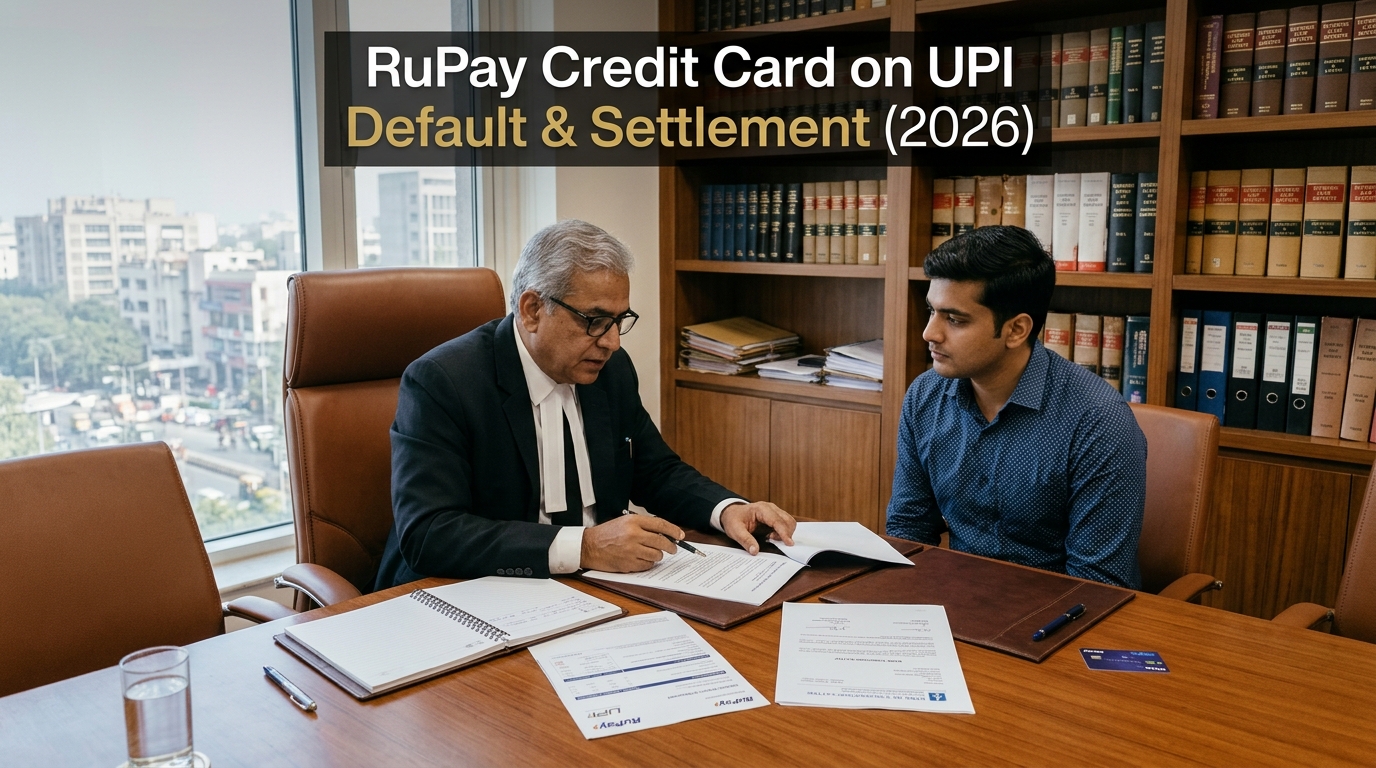
RuPay Credit Card on UPI Default & Credit Line on UPI Settlement (2026)
Micro-transactions on RuPay UPI Credit Cards and pre-approved 'Credit Lines on UPI' have triggered a massive wave of 42%+ APR revolving debt traps. Find out if defaulting blocks your personal savings UPI and how to settle RuPay UPI credit dues for 30%–50%.
Read Article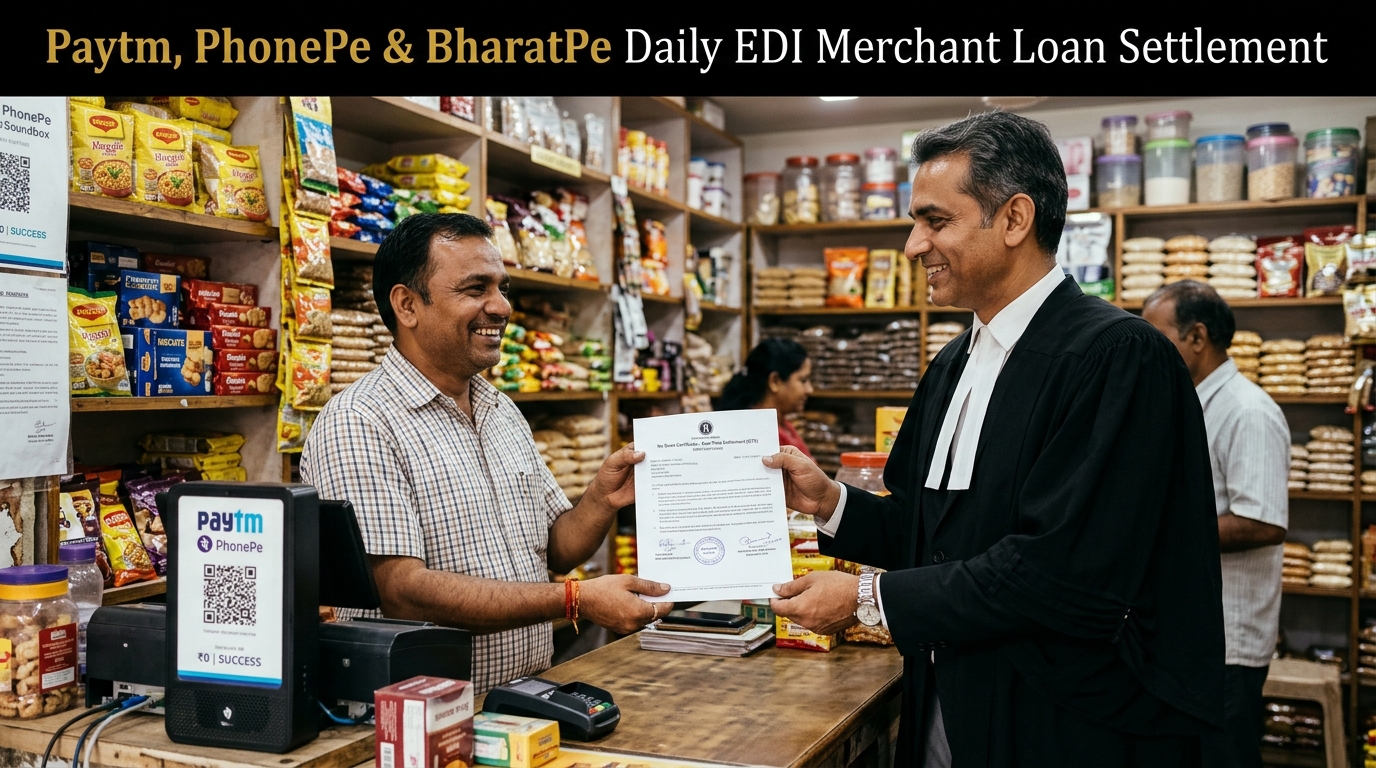
Paytm, PhonePe & BharatPe Daily EDI Merchant Loan Settlement (2026)
Drowning in Equated Daily Installment (EDI) merchant loans where 100% of your daily QR Soundbox collections are auto-swept before you can pay suppliers or rent? Learn how retail shopkeepers and MSMEs legally halt QR sweeps and negotiate a 50%+ OTS.
Read Article
Can Bank or Loan App Remotely Lock Phone for EMI Default? RBI Rules (2026)
An investigative breakdown of RBI's Remote Device Locking Directions—explaining why lenders cannot lock your phone for personal loans, the mandatory 30/60 DPD safeguards on financed devices, the Rs. 250/hour delay penalty, and how to settle device & app loans.
Read ArticleAbout Author
Anuj Anand Malik
View ProfileAnuj Anand Malik, Founder of AMA Legal Solutions, is a trusted advocate, loan settlement expert, legal advisor, and banking lawyer. With over a decade of experience in loan settlement, corporate law, financial disputes, and compliance, he leads a result-driven law firm based in India that helps individuals, startups, and businesses achieve legal and financial stability.
Connect on LinkedInNeed Legal Representation?
Evaluate your defense against recovery agents, notices, or structure your loan settlement directly with Senior Advocates.
Call +91-8700343611