Credit Card Legal Notice: Know Your Rights
Navigate the complexities of credit card legal notices with ease.

Anuj Anand Malik
Reviewed by AMA Legal Solutions
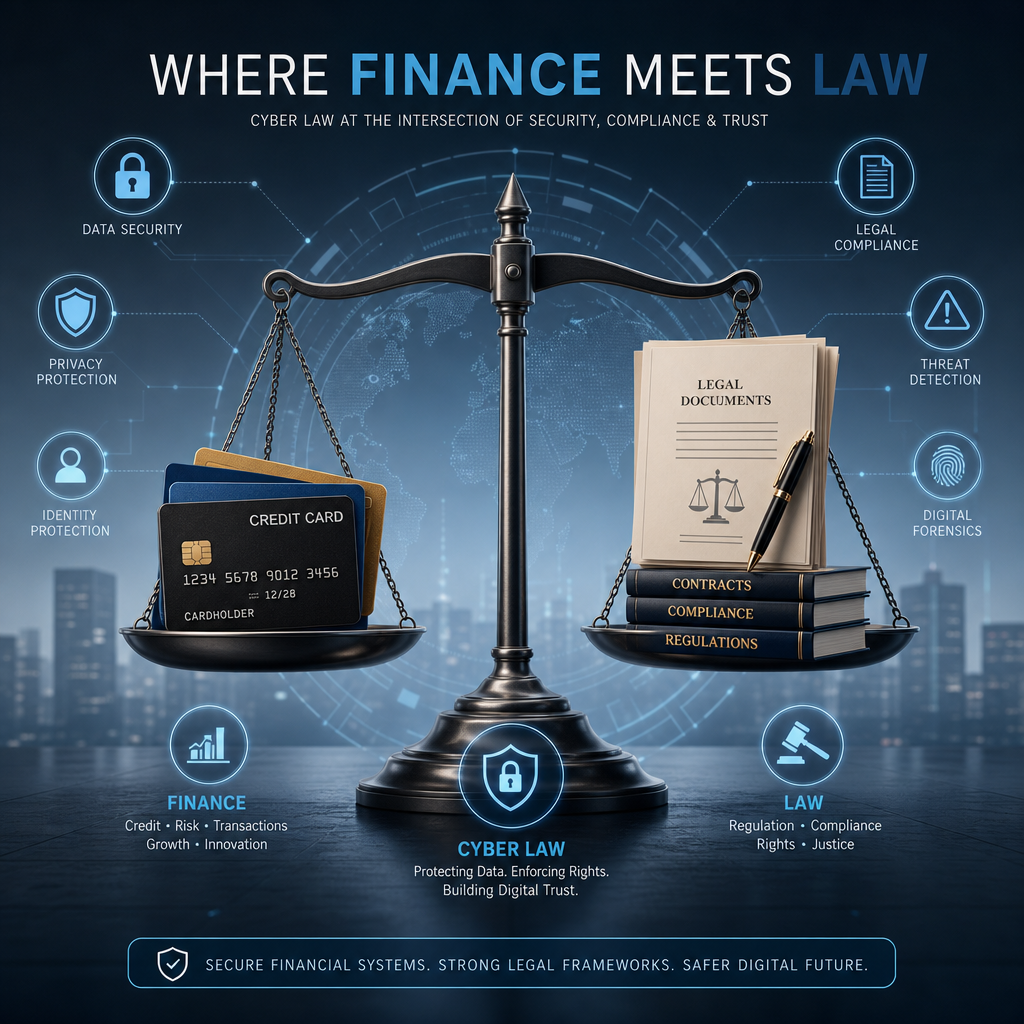
Introduction to Credit Card Legal Notices
In today's rapidly evolving financial landscape, understanding the intricacies of credit card legal notices is crucial for consumers and businesses alike. A credit card legal notice is a formal communication, often issued by banks or financial institutions, that addresses issues such as overdue payments, changes in terms and conditions, or suspected fraudulent activities. This notice not only serves as an alert but also acts as a legal document that can influence credit ratings and financial liability.
In India, credit card legal notices are governed by guidelines set forth by the Reserve Bank of India (RBI) and various consumer protection laws. The legal framework ensures that both the issuer and the cardholder are protected under the law. For individuals and corporations, understanding these notices is essential to navigate potential legal challenges effectively. For instance, if a credit cardholder receives a legal notice for non-payment, it is imperative to respond promptly to avoid further legal complications.
Credit card legal notices can cover a myriad of issues including but not limited to overdue payments, unauthorized transactions, and breaches of the card's terms and conditions. The implications of ignoring such notices can be severe, potentially leading to legal action, damage to one's credit score, and increased financial liabilities. At AMA Legal Solutions, we offer expert guidance in addressing these notices, helping you to interpret the legal language, and advising on the best course of action.
Effective management of credit card disputes often involves understanding complex legal documentation and engaging in negotiations with financial institutions. For businesses, this can also intersect with broader corporate responsibilities and financial strategies. Our corporate legal services are designed to assist companies in integrating credit card legal considerations into their financial management practices.
Moreover, with the rise of digital transactions, issues related to cyber security and fraud have become increasingly prevalent. Credit card legal notices can often involve aspects of cyber law, especially in cases of data breaches or unauthorized transactions. Our cyber law services are tailored to address such concerns, ensuring that your rights are protected in the digital realm.
Whether you are an individual dealing with a personal credit card issue or a company confronting corporate credit challenges, navigating the legal landscape requires expertise and precision. At AMA Legal Solutions, our comprehensive litigation and arbitration services are available to support your needs, providing tailored solutions to ensure compliance and safeguard your financial interests.
Understanding the Legal Framework of Credit Cards
The legal framework surrounding credit cards in India is multifaceted, involving numerous regulations that govern the issuance and utilization of credit cards. Primarily, these regulations are enforced by the Reserve Bank of India (RBI), which is the country's central banking institution responsible for controlling monetary policy and maintaining economic stability. The RBI sets out guidelines that credit card issuers must adhere to, ensuring consumer protection and financial integrity. Understanding these regulations is crucial, especially when dealing with credit card legal notices, as it helps cardholders navigate disputes and protect their rights.
Key elements of the legal framework include the RBI's guidelines on credit card issuance, billing practices, and customer grievance redressal mechanisms. Banks and financial institutions are required to provide clear information about fees, interest rates, and billing cycles, ensuring transparency and fairness in credit card transactions. Moreover, the RBI mandates that credit card statements must be precise and timely, enabling cardholders to manage their finances effectively. Should any disputes arise, cardholders can seek assistance from the institution's grievance redressal system before escalating the issue legally.
Another critical aspect is the role of consumer protection laws, which provide a safety net for credit card users. The Consumer Protection Act, 2019, empowers consumers to file complaints regarding unfair practices or disputes with credit card services. This legislation underscores the importance of ethical conduct by credit card companies and ensures that consumers receive fair treatment. Legal remedies can include compensation for damages, replacement of services, or even punitive measures against errant financial entities.
Legal notices concerning credit cards often arise in scenarios of default, unauthorized transactions, or fraud. Such notices must be drafted with precision, highlighting the specifics of the issue and the desired resolution. Professional legal assistance, such as the Drafting Services offered by AMA Legal Solutions, can be invaluable in ensuring that these documents are accurate and legally sound. By engaging professional services, individuals can better understand the ramifications of a legal notice and respond appropriately.
Should a credit card legal issue progress beyond initial notice, it may require arbitration or litigation. In such cases, utilizing services like Arbitration and Litigation provided by AMA Legal Solutions can be vital. These services offer expertise in navigating the complexities of legal proceedings, ensuring that the rights of the cardholder are upheld throughout the process.
In conclusion, being aware of the legal framework governing credit cards is essential for all users, not only to prevent potential legal issues but also to safeguard their financial interests. For more specialized guidance on banking and finance laws, individuals can explore the comprehensive services offered by AMA Legal Solutions, which deliver expert advice tailored to each client's needs.
Common Reasons for Receiving Legal Notices
Receiving a legal notice regarding your credit card can be an alarming experience. However, understanding the common reasons behind such notices can help you prepare and respond appropriately. In India, credit card legal notices are often issued due to various issues associated with the terms of use, payments, and compliance with regulatory requirements. Here are some frequent causes:
1. Payment Defaults
One of the most prevalent reasons for receiving a credit card legal notice is payment default. If you consistently fail to pay your credit card bills on time, the credit card issuer may issue a legal notice demanding immediate payment of the outstanding dues. This often includes not only the principal amount but also accumulated interest and penalties. The Reserve Bank of India (RBI) guidelines empower financial institutions to take legal action against defaulters, making it crucial to address any defaults promptly. For individuals facing difficulty in managing their payments, consulting with experts in loan settlement can provide strategic solutions to mitigate such issues.
2. Fraudulent Transactions
Instances of fraudulent transactions can also lead to the receipt of a legal notice. If you dispute a transaction that you believe to be unauthorized, your credit card company may issue a notice seeking clarification or presenting their findings. It is vital to address these notices as they may impact your credit score and financial reputation. Engaging with professionals who specialize in cyber law can help you navigate such complex situations, ensuring that your rights are protected.
3. Breach of Agreement
Credit card agreements often include various terms and conditions that cardholders must adhere to. Breaching these terms, whether intentionally or unintentionally, can lead to the issuance of a legal notice. This may include exceeding credit limits, improper usage of the card, or other violations specified in the contract. Understanding the intricacies of these agreements and having access to expert drafting services can aid in preventing breaches and managing any legal implications effectively.
4. Debt Recovery
Financial institutions might also issue legal notices as part of their debt recovery efforts. This is particularly common when borrowers have substantial outstanding balances that have not been addressed despite multiple reminders. Legal notices serve as a prelude to further action, such as litigation, which could lead to asset seizure or other enforcement measures. Seeking advice from professionals in litigation can offer guidance on how to respond to such notices and explore resolution options.
Understanding these common reasons for receiving a credit card legal notice is essential for proactive financial management and safeguarding your legal rights. By staying informed and seeking timely assistance, you can effectively handle these situations and maintain a healthy financial profile.
Steps to Take Upon Receiving a Legal Notice
Receiving a credit card legal notice can be a daunting experience, but understanding the appropriate steps to take can help you navigate the situation effectively. It is crucial to approach the matter promptly and systematically to ensure that your rights are protected and to potentially mitigate any adverse consequences. Here are the steps you should consider:
1. Thoroughly Review the Notice
The first step upon receiving a legal notice is to read it carefully. Ensure that you understand the details, including the nature of the claim, the amount involved, and the deadline for response. Pay close attention to the date of issuance and any other critical dates mentioned. If the notice seems complex or if you have any doubts, seeking professional legal advice from experts in banking and finance could be beneficial.
2. Verify the Authenticity
Legal notices should be verified for authenticity. Confirm that the notice is from a legitimate source, such as your credit card issuer or a legal firm representing them. This step can help protect you from scams or fraudulent activities. If you suspect any discrepancies, contacting the issuer directly or consulting with a legal professional in cyber law can provide clarity and safeguard your interests.
3. Assess Your Financial Situation
Before responding to the notice, evaluate your financial standing. Determine whether you can settle the dues in question or if you need assistance in negotiating terms. If you're unable to clear the dues immediately, exploring options like loan settlement could be a strategic step to manage your liabilities effectively.
4. Draft a Response
Once you've gathered the necessary information and assessed your situation, prepare a formal response to the notice. This response should outline your stance, whether it's contesting the claim or proposing a settlement. Being clear and professional in your communication is key. If drafting legal documents is outside your expertise, seeking help from legal drafting services can ensure your response is well-structured and compliant.
5. Seek Legal Representation if Necessary
If the matter escalates or if you find the legal notice challenging to handle on your own, engaging legal representation might be necessary. A lawyer with expertise in litigation or civil law can guide you through the legal processes and represent your interests effectively. Timely legal intervention can often lead to more favorable outcomes in contentious scenarios.
By taking these systematic steps, you can better manage the situation upon receiving a credit card legal notice. Whether it involves negotiating a payment plan or contesting the notice in court, understanding your rights and obligations will empower you to make informed decisions.
Legal Rights of Credit Card Holders
Understanding your legal rights as a credit card holder in India is paramount in ensuring that you are not unjustly treated by banks or financial institutions. The Reserve Bank of India (RBI), being the apex monetary authority, has set forth specific guidelines that govern the rights of credit card users. These rights are designed to protect consumers and ensure transparency in credit card dealings.
One of the fundamental rights of a credit card holder is the right to fair treatment. This means that credit card issuers must provide clear and accurate information regarding interest rates, fees, and charges. Any changes to the terms and conditions must be communicated to the cardholder well in advance. This transparency helps cardholders make informed decisions regarding their financial commitments. For further guidance on banking and finance matters, you may consider the Banking and Finance services offered by AMA Legal Solutions.
Another crucial right is the right to privacy. Credit card companies are obligated to protect your personal and financial information under the Information Technology Act of India, ensuring that your data is not misused or disclosed without your consent. In case you encounter any breaches or require advice on cyber law implications, AMA Legal Solutions’ Cyber Law services can provide invaluable assistance.
Cardholders also have the right to dispute any unauthorized charges on their statements. If you find discrepancies or unfamiliar transactions, you are entitled to raise a dispute with your credit card issuer. They are required to investigate and resolve matters promptly. If disputes are not handled satisfactorily, legal recourse may be necessary. For such cases, exploring Litigation services or Arbitration services might be beneficial.
Additionally, credit card holders have the right to close their accounts at any time, provided all dues are cleared. This must be facilitated without any hidden charges or penalties. In scenarios where credit card debt becomes overwhelming, seeking assistance for Loan Settlement services can offer a structured way to manage financial liabilities effectively.
Lastly, credit card holders have the right to be informed about the procedure for reporting lost or stolen cards. Quick reporting can prevent fraudulent activities and limit liability for unauthorized transactions. For any needs related to drafting necessary legal documents, AMA Legal Solutions provides comprehensive Drafting services that can support these requirements.
How AMA Legal Solutions Can Assist You
Navigating the complexities of credit card legal notices can be daunting, but with AMA Legal Solutions by your side, you gain a trusted partner in understanding and managing these challenges. Our firm offers comprehensive legal support specifically tailored to ensure that your rights as a credit card holder are protected in accordance with the latest regulatory standards in India.
Our Banking and Finance services are expertly designed to address issues related to credit card disputes, ensuring that you receive the guidance you need to effectively respond to any legal notices. Whether it's a matter of excessive charges, unauthorized transactions, or breaches in contract terms, our experienced team is equipped to handle these matters with precision and efficiency.
At AMA Legal Solutions, we also understand the broader implications that a credit card legal notice can have on your financial health. Our Loan Settlement services are available to assist you in negotiating favourable terms with banks and financial institutions, helping to alleviate financial distress and secure a manageable repayment plan.
Furthermore, our firm offers extensive Drafting and Litigation services, ensuring that all your legal documents are meticulously prepared and that you are well-represented in court if necessary. Our legal experts provide personalized attention to each case, enabling us to deliver strategic advice and proactive solutions that align with your unique circumstances.
In today's digital age, issues related to credit cards also intersect with Cyber Law. Our team is adept at handling cases involving cyber fraud and data breaches, ensuring that your digital rights and information security are prioritized and protected.
By choosing AMA Legal Solutions, you are not only securing adept legal representation but also gaining a partner committed to safeguarding your financial welfare. We invite you to explore our full range of services, including Civil and Criminal Law expertise, as well as specialized consultation in areas such as Arbitration and Corporate Law, to ensure comprehensive support tailored to your needs.

Halt Recovery Agent Harassment Legally
Disputing Errors on Credit Card Accounts
Disputing errors on credit card accounts is a critical step in maintaining financial health and ensuring that you are not unfairly penalized. Errors can arise from unauthorized transactions, billing mistakes, or misapplied payments. In India, the Reserve Bank of India (RBI) has set guidelines that credit card issuers must follow, providing a strong framework for consumers to dispute inaccuracies.
To initiate a dispute, the first step is to review your credit card statement carefully. Look for any charges that seem incorrect or unfamiliar. Note down the transaction details such as the date, amount, and merchant name. Once you have identified an error, promptly report it to your credit card issuer. This can often be done through online banking portals or by contacting customer service directly.
Steps to Dispute a Credit Card Error
- Document the Error: Keep a detailed record of the error, including supporting documents like receipts or emails. Documentation is crucial when making a formal dispute.
- Submit a Written Complaint: Write a formal complaint to your credit card issuer. Clearly explain the error and attach copies of supporting documents. You can find professional drafting services on our Drafting Services page.
- Follow Up: After submitting your complaint, follow up regularly with the issuer to track the progress of your dispute. Persistence is vital to ensure a timely resolution.
Under the RBI regulations, credit card issuers must acknowledge the consumer complaint within 30 days and resolve the issue within 60 days. If they fail to do so, you can escalate the matter to the Banking Ombudsman. Ensuring accurate credit card statements is not only significant for personal finance management but also for maintaining a good credit score, which can affect future financial transactions, loans, or real estate investments. For more assistance, explore our Banking and Finance Services.
If your claim is denied and you believe it is unjust, you have the right to take legal action. Seeking expert legal advice is essential in such cases. You can consult our Civil Law Services for guidance on filing a lawsuit. Additionally, our Litigation Services can help represent your case effectively in court.
Disputing credit card errors can be daunting, but understanding your rights and knowing the correct procedures can help you resolve inaccuracies effectively. For personalized advice or assistance with legal notices, consider reaching out to AMA Legal Solutions, where our team of experienced professionals can guide you through every step of the process.
The Role of Debt Collectors and Legal Notices
In the realm of credit card debt, the role of debt collectors is pivotal. When a borrower fails to meet their credit card payment obligations, the credit card issuer may engage debt collectors to recover the outstanding dues. This process often starts with sending a credit card legal notice to the defaulter, which serves as a formal request for payment.
Debt collectors in India, operating within the regulatory framework set by the Reserve Bank of India (RBI), must adhere to specific guidelines when issuing legal notices. These guidelines ensure that debt collection practices are fair and transparent. A credit card legal notice typically outlines the amount owed, the deadline for payment, and the consequences of non-payment, such as potential legal action or damage to the credit score.
It is crucial for consumers to understand their rights when dealing with debt collectors. Under Indian law, debt collectors are prohibited from using harassment or intimidation as a method of collection. Legal notices should be factually accurate and should not misrepresent the amount owed. Consumers have the right to dispute any inaccuracies found in the legal notice. Seeking professional legal counsel from experts like AMA Legal Solutions can provide valuable guidance in such situations.
For those overwhelmed by credit card debt, negotiating a settlement might be a viable option. Services like loan settlement offered by legal professionals can help in reaching an amicable resolution. This could involve restructuring the debt or agreeing on a reduced lump-sum payment, providing relief to the debtor while satisfying the creditor’s need to recover funds.
Diligent handling of credit card legal notices and understanding the role of debt collectors can prevent escalation into litigation. However, if legal proceedings become necessary, professional assistance in litigation can be essential. Navigating court systems and legal obligations requires expertise and experience, which firms like AMA Legal Solutions offer in abundance.
In summary, while debt collectors play a crucial role in the credit card debt recovery process, it is paramount for consumers to be well-informed of their rights and obligations. With professional support and a clear understanding of the legal landscape, individuals can effectively manage credit card legal notices and avoid long-term financial repercussions.
Consequences of Ignoring a Credit Card Legal Notice
Receiving a credit card legal notice is a serious matter that requires immediate attention. Ignoring such a notice can have far-reaching repercussions that may affect various aspects of your life, including your financial stability and legal standing. Understanding these consequences is crucial for anyone who has received a legal notice regarding their credit card debts in India.
One of the immediate consequences of disregarding a credit card legal notice is the impact on your credit score. Credit card companies are likely to report your non-compliance to credit bureaus, which will significantly lower your credit rating. A poor credit score can hamper your future financial endeavors, making it difficult to obtain loans or credit facilities. The Banking and Finance services offered by AMA Legal Solutions can help you mitigate these effects by negotiating terms with creditors.
Legal proceedings are another potential consequence. Credit card companies may initiate lawsuits to recover the outstanding amount, leading to court trials and additional legal costs. This can escalate to asset seizures or wage garnishments if a judgment is made against you. Consulting with litigation experts at AMA Legal Solutions can provide guidance on navigating these legal challenges.
Moreover, ignoring a credit card legal notice could result in harassment from debt collectors. This can manifest as persistent calls, messages, or even personal visits, which can be distressing and impact your mental well-being. Legal experts specializing in civil law can assist in understanding your rights and ensuring that debt collection practices adhere to legal standards.
Additionally, there are ramifications for personal and professional relationships. Legal notices and subsequent legal actions are public records, and the stigma associated with debt issues could affect your reputation. In certain cases, your ability to conduct business could also be compromised, necessitating assistance from corporate law professionals.
In light of these potential outcomes, addressing a credit card legal notice promptly is vital. Seeking professional advice can offer viable solutions, such as mediation or settlement options, to resolve the matter amicably. Loan settlement services from AMA Legal Solutions can aid in reaching an agreement that avoids the severe consequences of ignoring the notice, thereby safeguarding your financial and personal interests.
Preventive Measures to Avoid Legal Notices
Receiving a credit card legal notice can be both intimidating and potentially damaging to your financial standing. To avoid these unwelcome situations, there are several proactive measures cardholders can adopt. These strategies not only help in maintaining a good credit score but also ensure a cordial relationship with financial institutions.
First and foremost, it is crucial to understand the terms and conditions of your credit card agreement. Each card issuer has its own set of rules regarding interest rates, penalties, and fees. Familiarizing yourself with these details can prevent unexpected charges that may lead to disputes. For assistance in understanding financial agreements, you may consider consulting with experts in banking and finance.
Another key preventive measure is to maintain a disciplined payment schedule. Timeliness in settling your credit card bills is fundamental in avoiding penalty charges and legal notices. Automating payments or setting reminders can ensure that you never miss a due date. In case you find yourself struggling with dues, seeking professional advice from loan settlement services can offer viable solutions.
Keeping a close watch on your transaction activities is also vital. Regularly reviewing statements helps in identifying any unauthorized charges or discrepancies, which can be addressed promptly to prevent potential legal complications. This vigilance aligns with safeguarding one's cyber security, which is increasingly crucial in today's digital banking environment.
Additionally, maintaining a healthy credit utilization ratio can avert financial distress. Ideally, you should aim to use no more than 30% of your credit limit. High utilization not only affects your credit score negatively but can also trigger legal notices if payments are defaulted. For businesses managing corporate credit, consulting with corporate legal services can provide tailored advice on credit management.
Finally, always keep an open line of communication with your credit card issuer. If you foresee difficulties in making payments, it is beneficial to contact them immediately to discuss potential payment plans. This proactive approach can prevent the escalation of issues into legal matters. In situations where legal intervention is necessary, litigation services can offer the expertise required to navigate complex disputes.
Seeking Legal Advice: When and Why
Receiving a credit card legal notice can be a daunting experience, one that often leaves many unsure of the next steps to take. Understanding when and why you should seek legal advice is crucial in navigating these challenging waters. Whether the notice comes from a bank, a non-banking financial company, or a collection agency, knowing your rights and obligations is essential to minimize potential legal repercussions.
One of the primary reasons to seek legal advice upon receiving a credit card legal notice is to gain clarity on the situation. Legal professionals, such as those at AMA Legal Solutions, can provide a comprehensive analysis of the notice's contents, ensuring you understand the implications and obligations it entails. This analysis is crucial for determining whether the notice is legitimate or if there might be errors or misunderstandings that need addressing.
Another critical time to seek legal counsel is when you are unable to meet the payment demands outlined in the notice. Credit cards can accrue significant debt, and if a legal notice demands more than you can afford, professional advice may guide you through potential loan settlement options. Legal advisors can negotiate on your behalf, potentially reducing the owed amount or restructuring payment terms to alleviate financial strain.
In some cases, the legal notice might allege fraudulent activities or unauthorized transactions. If this occurs, it is imperative to consult legal experts immediately to protect your interests and ensure a swift resolution. The cyber law specialists at AMA Legal Solutions are adept at handling such sensitive matters, offering guidance on how to dispute charges and safeguard your rights against wrongful allegations.
Additionally, if the notice involves complex legal jargon or demands, involving litigation or arbitration, it is advisable to work with experienced attorneys who can represent you effectively. Firms like AMA Legal Solutions can manage the litigation process and provide support in arbitration if required, ensuring your case is handled with the utmost professionalism and expertise.
Finally, even if you are simply uncertain about the potential consequences of ignoring a credit card legal notice, seeking legal advice can provide peace of mind. It is always better to be informed and prepared, with a team of experts, such as those at AMA Legal Solutions, ready to support you in navigating the intricate landscape of credit card legal disputes.
Conclusion: Empower Yourself with Legal Knowledge
Understanding the nuances of a credit card legal notice is crucial for anyone navigating the complexities of financial obligations. In the context of India, it's essential to be well-versed with the guidelines set forth by the Reserve Bank of India (RBI) and the Consumer Protection Act. These regulations are designed to ensure that consumers are treated fairly and are safeguarded against any unjust practices by financial institutions. The knowledge of these legal frameworks empowers you to not only protect your rights but also to make informed decisions when dealing with credit card companies.
At times, receiving a credit card legal notice can be daunting and may require professional advice. Engaging with experts, such as those at AMA Legal Solutions, can provide clarity and assist in the interpretation of such notices. With a deep understanding of banking and finance laws, our team can offer you comprehensive guidance tailored to your specific circumstances. This proactive approach ensures that you are prepared to negotiate or contest the claims being made against you.
Moreover, if the situation escalates, understanding the importance of litigation services becomes paramount. Legal proceedings can be complex, and having experienced litigation experts can make a significant difference in the outcome of your case. Whether you are seeking a settlement or contesting the claims, having a sound legal strategy is indispensable.
For those who may have accumulated debt leading to such notices, exploring options like loan settlement services can be beneficial. Such services offer a pathway to manage and reduce your liabilities, potentially avoiding further legal complications. Expert negotiators can assist in reaching an agreeable settlement with creditors, often leading to a more favorable financial position.
Beyond addressing immediate concerns, equipping yourself with legal knowledge can have lasting benefits. It fosters a sense of confidence and control over your financial dealings. The ability to anticipate potential issues and resolve them efficiently is greatly enhanced when you are informed about your rights and the legal remedies available to you. At AMA Legal Solutions, we are committed to providing robust support, ensuring that your legal documents are precisely crafted to protect your interests.
In summary, empowering yourself with a thorough understanding of credit card legal notices and the associated legal avenues is a vital component of financial literacy. It not only protects you but also strengthens your ability to navigate the financial landscape effectively. With the right knowledge and professional support, you can confidently manage your credit responsibilities and mitigate potential risks.
Need Strategic Legal Defense for Your Situation?
Our banking & litigation advocates review your notices, debt liability, and recovery issues under complete advocate-client secrecy.

AMA Legal Solutions
Trusted with a 4.7 Google Rating, over 10,000+ Clients Served, 25,000+ Cases Handled, and more than 40+ Years of Experience in providing strategic legal defense and debt resolution across India.
Our media coverages





Client Reviews
"AMA Legal Solutions resolved my credit card dispute efficiently and with great expertise. I felt well-supported throughout the process."
Vikram Singh
"Thank you, AMA Legal Solutions, for your excellent service. You made navigating the legal intricacies of my credit card issue so much easier."
Rajesh Kumar
"AMA Legal Solutions expertly guided me through the complexities of a credit card legal notice. Their professionalism and knowledge were invaluable."
Amit Sharma
"The team at AMA Legal Solutions was incredibly supportive and helped me understand my rights concerning a credit card issue. Highly recommend their services."
Priya Menon
"I am grateful for the thorough and professional assistance provided by AMA Legal Solutions in handling my credit card legal notice. They are the best!"
Sneha Agarwal
Frequently Asked Questions
Related Articles
RuPay Credit Card on UPI Default & Credit Line on UPI Settlement (2026)
Micro-transactions on RuPay UPI Credit Cards and pre-approved 'Credit Lines on UPI' have triggered a massive wave of 42%+ APR revolving debt traps. Find out if defaulting blocks your personal savings UPI and how to settle RuPay UPI credit dues for 30%–50%.
Read Article
Paytm, PhonePe & BharatPe Daily EDI Merchant Loan Settlement (2026)
Drowning in Equated Daily Installment (EDI) merchant loans where 100% of your daily QR Soundbox collections are auto-swept before you can pay suppliers or rent? Learn how retail shopkeepers and MSMEs legally halt QR sweeps and negotiate a 50%+ OTS.
Read Article
Can Bank or Loan App Remotely Lock Phone for EMI Default? RBI Rules (2026)
An investigative breakdown of RBI's Remote Device Locking Directions—explaining why lenders cannot lock your phone for personal loans, the mandatory 30/60 DPD safeguards on financed devices, the Rs. 250/hour delay penalty, and how to settle device & app loans.
Read ArticleAbout Author
Anuj Anand Malik
View ProfileAnuj Anand Malik, Founder of AMA Legal Solutions, is a trusted advocate, loan settlement expert, legal advisor, and banking lawyer. With over a decade of experience in loan settlement, corporate law, financial disputes, and compliance, he leads a result-driven law firm based in India that helps individuals, startups, and businesses achieve legal and financial stability.
Connect on LinkedInNeed Legal Representation?
Evaluate your defense against recovery agents, notices, or structure your loan settlement directly with Senior Advocates.
Call +91-8700343611