Why Banks Continue Recovery After Loan Write-Offs
Exploring Legal Nuances in Loan Write-Offs and Settlements

Anuj Anand Malik
Reviewed by AMA Legal Solutions
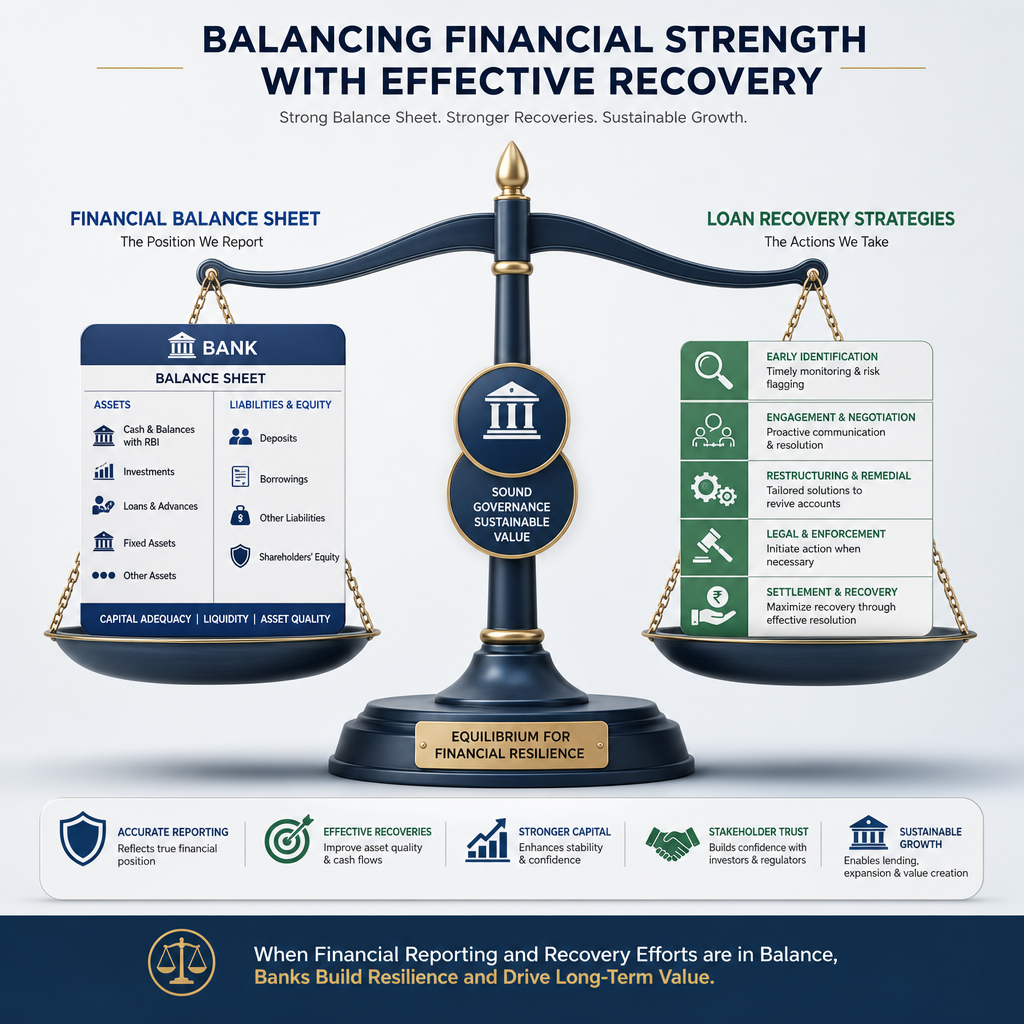
In the complex world of banking and finance, understanding the nuances of loan recovery proceedings is crucial for both borrowers and financial institutions. A common question that arises is why banks can continue recovery proceedings even after a loan is written off, while a borrower’s liability may effectively cease following a full and final settlement. This dichotomy stems from the fundamental differences in how these financial situations are handled and their implications on both parties involved.
When a bank writes off a loan, it does not mean that the bank forgives the debt or that the borrower's obligation is extinguished. Instead, a write-off is an accounting action where the loan is removed from the bank's balance sheet as an asset. This step is taken primarily for compliance and financial reporting purposes, enabling the bank to clean up its accounts. However, the legal right to recover the outstanding amount remains intact. Banks often use this strategy to streamline their financial statements while continuing to pursue recovery through various means such as asset seizure, legal proceedings, or engaging recovery agents.
On the other hand, a full and final settlement is a mutual agreement between the borrower and the bank to settle an outstanding debt for an amount less than the total owed. This arrangement is typically negotiated when a borrower is unable to meet the original repayment terms. Once such a settlement is agreed upon and payment is made, the borrower's liability is legally considered fulfilled, and the bank cannot pursue additional recovery for the settled amount. It's an essential tool for borrowers seeking relief from debt burdens, often facilitated by legal services specializing in loan settlements, such as AMA Legal Solutions' Loan Settlement Services.
The regulatory framework governing these practices in India, under the purview of the Reserve Bank of India (RBI), ensures that banks maintain certain standards while dealing with non-performing assets (NPAs). Legal professionals and banking experts, such as those at AMA Legal Solutions' Banking and Finance Services, offer invaluable assistance in navigating these regulatory landscapes. This guidance is crucial for both banks aiming to optimize recovery processes and borrowers seeking equitable settlements.
Understanding these intricacies is vital for borrowers to make informed financial decisions and for banks to manage their assets efficiently. For those involved in complex legal and financial negotiations, consulting with legal experts in corporate law and arbitration can provide strategic advantages. Such expertise can ensure that agreements are fair, transparent, and aligned with legal standards, ultimately benefiting all parties involved.
Understanding the Legal Framework of Loan Write-Offs
In the banking sector, the term "loan write-off" refers to the process where banks remove a loan from their balance sheets after concluding that it is unlikely to be recovered. However, this accounting procedure does not absolve the borrower from their financial obligation. The legal framework governing loan write-offs allows banks to continue recovery efforts even after the loan is written off. This is primarily because a write-off is an internal accounting policy that reflects the bank's financial health but does not negate the loan agreement originally signed by the borrower.
The Reserve Bank of India (RBI) provides guidelines on how and when banks can write off loans. These guidelines ensure that banks maintain a healthy balance sheet and comply with regulatory requirements. However, the RBI does not restrict banks from continuing recovery processes post write-off, as the debt legally remains the borrower's liability. In India, banks can initiate legal proceedings under various acts, such as the Securitisation and Reconstruction of Financial Assets and Enforcement of Security Interest Act (SARFAESI) and the Recovery of Debts Due to Banks and Financial Institutions Act, to recover the outstanding amount.
While a write-off is an accounting decision, a full and final settlement is a mutual agreement between the bank and the borrower. When a borrower opts for a full and final settlement, they negotiate to pay a lump sum amount that is typically less than the total outstanding loan, thereby closing the account. This settlement legally releases the borrower from further obligations, provided the settlement terms are fully met. It is crucial for borrowers to seek expert advice when negotiating such settlements, and services, like those offered by AMA Legal Solutions' Banking and Finance, can provide invaluable assistance.
Moreover, legal intricacies such as these require a comprehensive understanding of both statutory and contractual obligations. For instance, loan agreements often incorporate clauses that govern the rights of the bank even after a write-off, ensuring that the possibility of recovery is legally viable. These clauses are crucial for financial institutions to safeguard their interests and ensure compliance with the regulatory framework. Borrowers may require legal assistance from experts in areas such as litigation or corporate law to navigate these complex legal waters.
It is also pertinent for borrowers to understand their rights and obligations under different loan settlements. While a full and final settlement may clear a borrower's liability, failing to adhere to the settlement terms can result in renewed legal actions. Legal advisors who specialize in loan settlements and contract drafting can offer strategic advice to ensure that borrowers make informed decisions.
In conclusion, the distinction between a loan write-off and a full and final settlement lies in the legal implications for both banks and borrowers. Understanding this framework is crucial for both parties to protect their interests within the boundaries of the law. Legal services from firms like AMA Legal Solutions can be instrumental in navigating these complexities effectively.
What Happens When a Loan is Written Off?
When a loan is written off by a bank, it is often misunderstood as the loan being forgiven or the borrower's obligation being nullified. However, the reality is quite different. A loan write-off is primarily an accounting procedure that allows banks to clean up their balance sheets by removing non-performing assets. This action helps banks maintain their financial health by reducing the burden of loans that are unlikely to be recovered in the near term. In the context of Indian banking practices, the Reserve Bank of India (RBI) guides such measures to ensure transparency and financial stability.
Despite the accounting adjustment, the borrower's obligation to repay the loan does not automatically cease. The bank retains the right to pursue recovery of the loan amount even after it has been written off. This is primarily because the write-off is not akin to a legal waiver of the debt. Banks may continue their recovery efforts through legal means or by employing debt recovery agents. The objective is to reclaim as much of the outstanding amount as possible. For individuals seeking professional assistance in navigating such legal complexities, AMA Legal Solutions offers expert guidance in banking and finance matters.
On the other hand, a full and final settlement is a negotiated agreement between the borrower and the lender where the borrower pays a mutually agreed-upon amount to settle the debt entirely. Once this settlement is accepted and executed, the borrower's liability is discharged, meaning they are no longer legally obligated to pay the remaining amount of the original loan. This settlement is a strategic solution for borrowers facing financial constraints and can be facilitated through services like those offered by AMA Legal Solutions' loan settlement services.
In terms of credit reporting, a written-off loan is typically marked as 'written off' in the credit report, which can adversely affect the borrower's credit rating. However, if a full and final settlement is reached, the credit report may reflect the settled status, which could be less damaging than a write-off. It is vital for borrowers to understand these distinctions and the long-term implications on their creditworthiness. Expert advice from arbitration and litigation services can be invaluable in negotiating a favorable settlement.
In conclusion, while a loan write-off might seem beneficial from an accounting perspective for banks, it does not equate to the cessation of recovery actions. Conversely, a full and final settlement legally absolves the borrower from further liability. Borrowers should seek comprehensive legal advice to explore their options, ensuring informed decisions that align with their financial situation. For personalized legal solutions, drafting and corporate services are available at AMA Legal Solutions.
The Process of Bank Recovery Post Write-Off
When banks write off a loan, it does not signify the end of recovery efforts. Instead, it marks an accounting decision to categorize the loan as irrecoverable for immediate financial reporting purposes. This process involves removing the non-performing asset from the bank’s balance sheet, which helps in presenting a more accurate picture of the bank’s financial health. However, the pursuit of loan recovery remains very much active, driven by the banks' fiduciary duties to their stakeholders and the regulatory expectations set by institutions like the Reserve Bank of India (RBI).
Once a loan is written off, banks typically initiate recovery through their dedicated recovery teams or they may outsource the process to third-party agencies. These agencies specialize in loan recovery and are adept at negotiating with borrowers to recover the outstanding amounts. The recovery process may also involve legal actions such as filing suits in debt recovery tribunals or civil courts. For borrowers seeking guidance on such legal matters, availing services like litigation support from professional legal firms can be crucial.
Banks may also leverage the provisions under the Securitisation and Reconstruction of Financial Assets and Enforcement of Security Interest Act (SARFAESI Act) to recover secured debts. This legislation empowers banks to repossess and auction the secured assets of a borrower who defaults on loan repayment. Legal avenues such as banking and finance advisory may provide crucial insights for borrowers navigating these complex scenarios.
Another avenue for recovery is through settlements or compromise agreements. Banks may enter into negotiations with borrowers to settle the outstanding amount for a lesser figure as part of a compromise settlement. This may involve a full and final settlement where the borrower pays an agreed sum, after which the loan is considered settled from the borrower's perspective. For borrowers, understanding the nuances of such settlements is vital, and services related to loan settlement can be instrumental in achieving a favorable outcome.
While the write-off signifies a closure on the official records, the legal right of banks to recover the dues remains intact. This leads to the continuity of recovery proceedings beyond the point of writing off the loan. Borrowers should be aware that negotiating a full and final settlement can bring closure to their liability, rendering further recovery action unnecessary if both parties adhere to the terms agreed upon. Professional guidance from services like drafting and arbitration can be invaluable in reaching such an agreement.
Borrower's Liability: Full and Final Settlement Explained
The concept of a full and final settlement is pivotal in understanding why a borrower's liability may cease while banks continue recovery efforts after a loan is written off. In the Indian banking context, a full and final settlement is an agreement between the borrower and the bank where the borrower pays a negotiated amount, typically less than the outstanding loan balance, in exchange for releasing their liability. This settlement is crucial in cases where the borrower is unable to repay the entire loan amount due to financial constraints.
Once a full and final settlement is reached, the borrower is relieved from any further legal or financial obligations associated with that particular loan. The terms of such settlements are meticulously documented, often requiring expert legal drafting to ensure clarity and enforceability. AMA Legal Solutions offers comprehensive assistance in negotiating and documenting these settlements, ensuring that both parties' interests are adequately protected.
However, it is important to note that the agreement of a full and final settlement is distinct from a loan write-off. When a loan is written off, it is primarily an accounting action by the bank to clean its balance sheet, but it does not extinguish the borrower's liability. In contrast, a full and final settlement explicitly closes the borrower's liability, provided the agreed terms are met. This distinction is critical, as the borrower can move forward without the burden of the defaulted loan once the settlement is honored.
Borrowers seeking a full and final settlement should engage experienced legal advisors to navigate the complexities involved. This is where the loan settlement services provided by AMA Legal Solutions become invaluable. Their expertise ensures that borrowers secure favorable terms and avoid potential pitfalls that may arise during negotiations.
In conclusion, while banks may continue recovery efforts post write-off, acknowledging the financial robustness of the institution, a full and final settlement provides a definitive path for borrowers to resolve their liabilities. This process, when managed effectively, allows borrowers to restore their financial standing and focus on future opportunities, such as real estate investments or even venturing into new business domains like corporate enterprises. By ensuring that the settlement terms are legally sound, borrowers can confidently move beyond their financial hurdles.
Legal Differences: Write-Offs vs Settlements
The financial landscape can often be complex, particularly when it comes to understanding the nuances of loan write-offs and settlements. Though they might appear similar at first glance, they are fundamentally different legal processes with distinct implications for borrowers and lenders. Understanding these differences is crucial, especially in the context of why banks continue recovery proceedings after a loan is written off, while a borrower’s liability may end following a full and final settlement.
A loan write-off is primarily an accounting action taken by banks to clear non-performing assets from their books. This does not imply that the borrower’s obligation to repay the loan is nullified. Instead, the write-off allows banks to maintain cleaner financial statements by acknowledging that the loan amount is unlikely to be recovered. However, the bank retains the right to pursue recovery actions. This is where the expertise of legal professionals, such as those at AMA Legal Solutions, becomes invaluable in navigating banking and finance intricacies.
In contrast, a full and final settlement is an agreement between the borrower and the bank to settle the outstanding debt for a mutually agreed-upon amount, which is typically less than the total due. Once this settlement is executed, the borrower’s liability is considered resolved, and the bank ceases further recovery actions. This legally binding settlement often involves a negotiation process that might require legal assistance to ensure fair treatment, highlighting the importance of services like loan settlement representation.
From a legal standpoint, the distinction lies in the non-binding nature of a write-off versus the binding agreement of a settlement. A write-off is a unilateral accounting decision made by the bank, which does not require the borrower's consent or involve any legal agreement that ends the borrower’s obligation. On the other hand, a settlement is a bilateral agreement that legally binds both parties to the terms agreed upon. Legal experts, such as those offering drafting and litigation services, play a crucial role in ensuring that settlement agreements are accurately documented and enforceable.
In India, the Reserve Bank of India (RBI) guidelines regulate the accounting practices of banks, including the treatment of non-performing assets. It is essential for borrowers to comprehend how these financial decisions impact their creditworthiness and legal obligations. For personalized guidance and effective resolution strategies, borrowers and banks alike may benefit from consulting with legal professionals who specialize in civil and corporate law matters.

Halt Recovery Agent Harassment Legally
How Banks Justify Continuing Recovery Efforts
When a bank writes off a loan, it might seem contradictory to continue recovery efforts. However, banks have legitimate reasons to pursue recovery even after a loan is written off. Understanding these justifications can shed light on the broader financial and legal framework that governs banking practices in India.
Firstly, a loan write-off does not mean that the borrower’s debt is forgiven or erased. Instead, it is an accounting procedure that allows banks to clean up their balance sheets by acknowledging the loan as a loss. This action is largely driven by regulatory requirements set by the Reserve Bank of India (RBI), which mandates banks to maintain healthy financial records. By writing off loans, banks can manage their non-performing assets (NPAs) more effectively, but they retain the right to recover the dues. This underscores the need for borrowers to remain vigilant about their liabilities despite the write-off.
Secondly, banks have a fiduciary duty to their stakeholders, including depositors and shareholders, to maximize recoveries. Continuing recovery efforts after a write-off is part of this responsibility. It is essential for banks to demonstrate diligence in recovering as much of the outstanding debt as possible to safeguard the interests of investors and maintain financial stability. This is where the expertise of legal professionals comes in handy. At AMA Legal Solutions, we offer comprehensive banking and finance services to assist banks and financial institutions in navigating complex recovery processes effectively.
Another reason banks justify continuing recovery is the potential for recovering a significant portion of the loan amount, which can contribute positively to their financial health. Even when the full amount is not recoverable, any partial recovery helps in offsetting the losses incurred due to the write-off. Engaging in recovery proceedings also signals the bank's proactive approach, which can deter other borrowers from defaulting, knowing that the bank will take necessary actions to reclaim debts.
Moreover, legal frameworks and contractual obligations often provide banks with the right to pursue recovery post write-off. Contracts usually include clauses that empower banks to follow through on recovery processes regardless of accounting decisions like write-offs. Such provisions are critical in maintaining the integrity of financial agreements. Legal assistance from experts in loan settlement or litigation can help banks and borrowers alike in understanding their rights and responsibilities under these agreements.
Ultimately, while a full and final settlement may release the borrower from further liability, a loan write-off does not extend the same relief. Banks continue to justify recovery efforts to uphold their financial obligations and ensure compliance with regulatory standards. For individuals and businesses navigating these complex processes, seeking advice from seasoned professionals, such as those at AMA Legal Solutions, can provide critical guidance and strategic solutions tailored to their unique circumstances.
Implications for Borrowers in Loan Settlements
Understanding the ramifications for borrowers in loan settlements is crucial, particularly when financial challenges arise, and banks continue recovery actions even after a loan is written off. One vital aspect is the distinction between a write-off and a full and final settlement. When a loan is written off by the bank, it is primarily an accounting decision to clean up the balance sheet. However, this does not absolve the borrower of the debt. The bank still maintains the right to pursue recovery through legal proceedings, ensuring that the outstanding amount is eventually collected.
In contrast, a full and final settlement is a mutual agreement between the borrower and the bank, wherein a reduced payment amount is accepted as complete satisfaction of the debt. Once this settlement is reached and the borrower fulfills the terms, the borrower's liability typically ceases. This can be a strategic move for borrowers facing financial distress, as it can prevent further legal action and potentially improve their credit situation. To navigate such negotiations effectively, borrowers might consider engaging expert legal services, such as those offered by our loan settlement team at AMA Legal Solutions.
Despite the cessation of liability after a full and final settlement, borrowers must be vigilant about the legal documentation involved. It is imperative to ensure that the settlement agreement clearly states that the borrower is released from any further obligations. Failure to secure a legally binding document could leave room for future disputes. For comprehensive assistance with documentation, our drafting services can be invaluable, ensuring all terms are accurately captured and enforceable.
Moreover, the impact on credit scores remains a significant concern. A write-off might adversely affect a borrower's creditworthiness, making future borrowings challenging. Conversely, a full and final settlement, if reported accurately, might mitigate some negative effects, although it may still be viewed unfavorably by potential lenders. Our banking and finance experts can provide tailored advice on managing these repercussions and improving credit profiles post-settlement.
It is also essential for borrowers to be aware of any legal recourse available in case of discrepancies or unfair practices by financial institutions. The legal landscape can be complex, and seeking timely advice from experienced professionals, such as those at AMA Legal Solutions, is advisable. Our litigation services offer robust support for borrowers seeking redress in financial disputes.
Ultimately, navigating loan settlements requires a nuanced understanding of both financial and legal implications. Borrowers must be proactive in protecting their interests and securing favorable outcomes. Professional guidance can significantly enhance the likelihood of achieving a satisfactory resolution, ensuring that both present and future financial well-being are safeguarded.
Case Studies: Real-World Applications
Understanding the intricacies of why banks continue recovery proceedings even after a loan is written off, while a borrower's liability may conclude post a full and final settlement, requires a detailed examination of real-world cases. These examples demonstrate the practical applications and legal frameworks underpinning these financial dynamics.
Case Study 1: National Bank vs. ABC Traders
In the case of National Bank versus ABC Traders, the bank had to write off a substantial loan amount due to ABC Traders' inability to repay caused by market downturns. Despite the loan being written off, National Bank pursued recovery proceedings, arguing that the write-off was merely an accounting measure. The legal team, leveraging the banking and finance expertise of AMA Legal Solutions, successfully demonstrated that the bank's rights to recover the debt remained intact post write-off.
Case Study 2: XYZ Industries' Full and Final Settlement
Contrastingly, in a separate scenario involving XYZ Industries, the borrower was able to negotiate a full and final settlement with the lending institution. Here, the legal intervention focused on the settlement terms which stipulated that upon payment, the borrower's liability would cease entirely. This was a strategic move often seen in loan settlement procedures, where the borrower aims to conclude their liability through a negotiated payment.
Case Study 3: Legal Precedent in Recovery Proceedings
Another notable case involved a leading financial institution and a mid-sized enterprise where the institution continued recovery efforts post write-off. The legal counsel, equipped with insights into both litigation strategies and corporate legal frameworks, argued that the write-off did not negate the contractual obligations of the borrower. The court upheld this view, reinforcing the bank’s ability to pursue debt recovery.
Case Study 4: Arbitration in Debt Recovery
In a case that went through arbitration, a borrower sought relief after a loan write-off. AMA Legal Solutions’ arbitration services were pivotal in mediating between the lender and borrower, ultimately resulting in an agreement favorable to both parties. This case highlighted the role of arbitration in resolving disputes over loan write-offs and settlements effectively.
These cases illustrate the complex interplay between banking practices and legal rights. They underscore the importance of expert legal guidance in navigating these matters, ensuring that both lenders and borrowers can understand their rights and obligations within the stipulated financial and legal frameworks.
The Role of Credit Bureaus and Reporting
Credit bureaus play a vital role in the financial ecosystem, particularly when it comes to loans and credit facilities. These entities collect and maintain data on borrowers' credit histories, which is then used to generate credit scores. In the context of loans being written off or settled, understanding how these actions affect credit reporting is crucial for both lenders and borrowers.
When a bank writes off a loan, it does not imply that the borrower's obligation disappears. Instead, it is primarily an accounting action that allows the bank to clean up its books by removing non-performing assets. Despite the write-off, the debt is still reported to credit bureaus, impacting the borrower's credit score negatively. This negative reporting provides banks with leverage to continue recovery proceedings, as a poor credit score often incentivizes borrowers to settle their debts to restore their financial standing. For those seeking counsel on banking and finance matters, AMA Legal Solutions offers expert legal services tailored to navigate these complex situations.
On the other hand, a full and final settlement, when agreed upon by both the lender and the borrower, can lead to the closure of the borrower's liability. However, it is crucial to note that such settlements are also reported to credit bureaus, often marked as "settled" rather than "paid in full." This designation, while less severe than a write-off, can still adversely affect the borrower's creditworthiness. Borrowers can seek assistance from AMA Legal Solutions for loan settlement advice to mitigate these effects.
Credit reporting is not only a tool for banks but also a mechanism that influences borrowers' future financial opportunities. A poor credit report can limit access to new loans, credit cards, or even impact interest rates offered by lenders. As such, both parties must understand the implications of credit reporting in the event of a loan write-off or settlement. Legal expertise, such as that provided by AMA Legal Solutions' corporate services, can be invaluable in these scenarios.
Moreover, borrowers concerned about their credit ratings can explore strategies to improve their scores, such as timely payments on existing obligations and avoiding further defaults. Engaging with legal professionals for drafting comprehensive settlement agreements can also prevent future misunderstandings regarding credit reporting.
In conclusion, while credit bureaus and their reporting mechanisms serve as a powerful tool for banks in their recovery proceedings, they also offer borrowers tangible reasons to address their debts proactively. Understanding the dynamics of credit reporting and seeking professional legal advice can make a substantial difference in managing financial health effectively.
Legal Advice for Borrowers Facing Recovery Actions
Facing recovery actions from banks can be daunting, especially when a loan has been written off. However, banks are legally entitled to pursue recovery proceedings even after writing off a loan. To navigate this complex scenario, borrowers should seek expert legal advice to protect their interests and potentially mitigate liability.
First and foremost, borrowers should thoroughly understand their legal rights and obligations. Consulting with professionals who specialize in banking and finance law can provide crucial insights into the legal framework surrounding recovery actions. This will help borrowers assess whether the bank's actions are within the legal boundaries set by the Reserve Bank of India (RBI) and identify any potential violations.
In many cases, negotiating a loan settlement can be a viable option. Borrowers should consider approaching the bank to discuss a full and final settlement, which, if agreed upon, can effectively end their liability. Legal advisors can assist in crafting a settlement proposal that reflects the borrower's financial capacity while aiming for the most favorable terms possible.
Moreover, if recovery proceedings have already commenced, it may be necessary to explore arbitration or litigation options. Engaging services such as arbitration or litigation can provide a platform to contest the recovery actions or negotiate settlements legally. Experienced legal counsel from AMA Legal Solutions can guide borrowers through these proceedings effectively.
It is also important for borrowers to maintain comprehensive documentation of all communications and agreements with the bank. This documentation can serve as critical evidence in legal disputes. Additionally, borrowers should be aware of the timeline for legal actions and ensure they respond promptly to any notices or summons to avoid default judgments. Accessing services such as drafting and civil law support can be invaluable in this regard.
Overall, understanding the legal landscape and seeking professional guidance can significantly influence the outcome of recovery proceedings. With the right strategy and support, borrowers can aim to resolve their debt issues while safeguarding their rights. For more tailored advice, borrowers can explore the range of services offered by AMA Legal Solutions to ensure comprehensive support in their legal journey.
Conclusion: Balancing Bank Rights and Borrower Liabilities
The dynamics of bank loan recovery and borrower liability are complex and demand a nuanced understanding of financial and legal principles. While banks are empowered to continue recovery proceedings even after a loan has been written off, borrowers may find relief through a full and final settlement. This apparent contradiction arises from the differing objectives that banks and borrowers have towards financial settlement.
Banks possess the legal right to pursue recovery of written-off loans as these loans, despite being marked as uncollectible in accounting terms, still reflect an outstanding obligation. The Reserve Bank of India (RBI) allows banks to write off loans to clean up their balance sheets, but this does not extinguish the borrower's debt. As a result, banks often continue their recovery efforts to recoup as much of the debt as possible. For more insights into banking-related legalities, you can explore our Banking and Finance services.
Conversely, a borrower’s liability may come to an end through a full and final settlement, which is often a negotiated agreement where the borrower pays a lesser amount than owed, accepted by the bank as a complete discharge of debt. This resolution provides a clean slate for borrowers, allowing them to rebuild their creditworthiness. Such settlements are beneficial in avoiding prolonged litigation. Our team at AMA Legal Solutions can guide borrowers through the intricacies of loan settlements to ensure a favorable outcome.
Balancing the rights of banks and the liabilities of borrowers requires a careful consideration of legal frameworks and strategic negotiation. While banks have a duty to protect their financial interests, borrowers seek to minimize their financial burdens. Engaging in mediation or arbitration can be an effective way to address disputes without resorting to litigation. Our Arbitration services offer avenues to resolve such conflicts amicably.
Ultimately, the intersection of bank rights and borrower liabilities highlights the need for sound legal advice and representation. Whether it involves drafting settlement agreements or representing parties in court, the importance of legal expertise cannot be overstated. We at AMA Legal Solutions provide comprehensive legal services to navigate these challenges effectively. By understanding the rights and responsibilities of each party, both banks and borrowers can achieve balanced and equitable resolutions.
Need Strategic Legal Defense for Your Situation?
Our banking & litigation advocates review your notices, debt liability, and recovery issues under complete advocate-client secrecy.
AMA Legal Solutions
Trusted with a 4.7 Google Rating, over 10,000+ Clients Served, 25,000+ Cases Handled, and more than 40+ Years of Experience in providing strategic legal defense and debt resolution across India.
Our media coverages





Client Reviews
"The team at AMA Legal Solutions was incredibly supportive and knowledgeable, helping me understand the complexities of loan settlements."
Pooja Mehra
"The expertise and clarity provided by AMA Legal Solutions in navigating the loan write-off process was invaluable and highly reassuring."
Anita Deshmukh
"I am thoroughly impressed with the professionalism and results achieved by AMA Legal Solutions in handling my loan recovery proceedings."
Vikram Patel
"Thanks to AMA Legal Solutions, I was able to settle my loan in a way that was favorable and fair, easing my financial stress significantly."
Suresh Nair
"AMA Legal Solutions provided exceptional service in negotiating my loan settlement, ensuring my financial burden was significantly reduced."
Rajesh Kumar
Frequently Asked Questions
Related Articles

RuPay Credit Card on UPI Default & Credit Line on UPI Settlement (2026)
Micro-transactions on RuPay UPI Credit Cards and pre-approved 'Credit Lines on UPI' have triggered a massive wave of 42%+ APR revolving debt traps. Find out if defaulting blocks your personal savings UPI and how to settle RuPay UPI credit dues for 30%–50%.
Read Article
Paytm, PhonePe & BharatPe Daily EDI Merchant Loan Settlement (2026)
Drowning in Equated Daily Installment (EDI) merchant loans where 100% of your daily QR Soundbox collections are auto-swept before you can pay suppliers or rent? Learn how retail shopkeepers and MSMEs legally halt QR sweeps and negotiate a 50%+ OTS.
Read Article
Can Bank or Loan App Remotely Lock Phone for EMI Default? RBI Rules (2026)
An investigative breakdown of RBI's Remote Device Locking Directions—explaining why lenders cannot lock your phone for personal loans, the mandatory 30/60 DPD safeguards on financed devices, the Rs. 250/hour delay penalty, and how to settle device & app loans.
Read ArticleAbout Author
Anuj Anand Malik
View ProfileAnuj Anand Malik, Founder of AMA Legal Solutions, is a trusted advocate, loan settlement expert, legal advisor, and banking lawyer. With over a decade of experience in loan settlement, corporate law, financial disputes, and compliance, he leads a result-driven law firm based in India that helps individuals, startups, and businesses achieve legal and financial stability.
Connect on LinkedInNeed Legal Representation?
Evaluate your defense against recovery agents, notices, or structure your loan settlement directly with Senior Advocates.
Call +91-8700343611