Understanding Wilful Default and RBI's Guidelines
Navigate the complexities of wilful default with expert legal insights

Anuj Anand Malik
Reviewed by AMA Legal Solutions
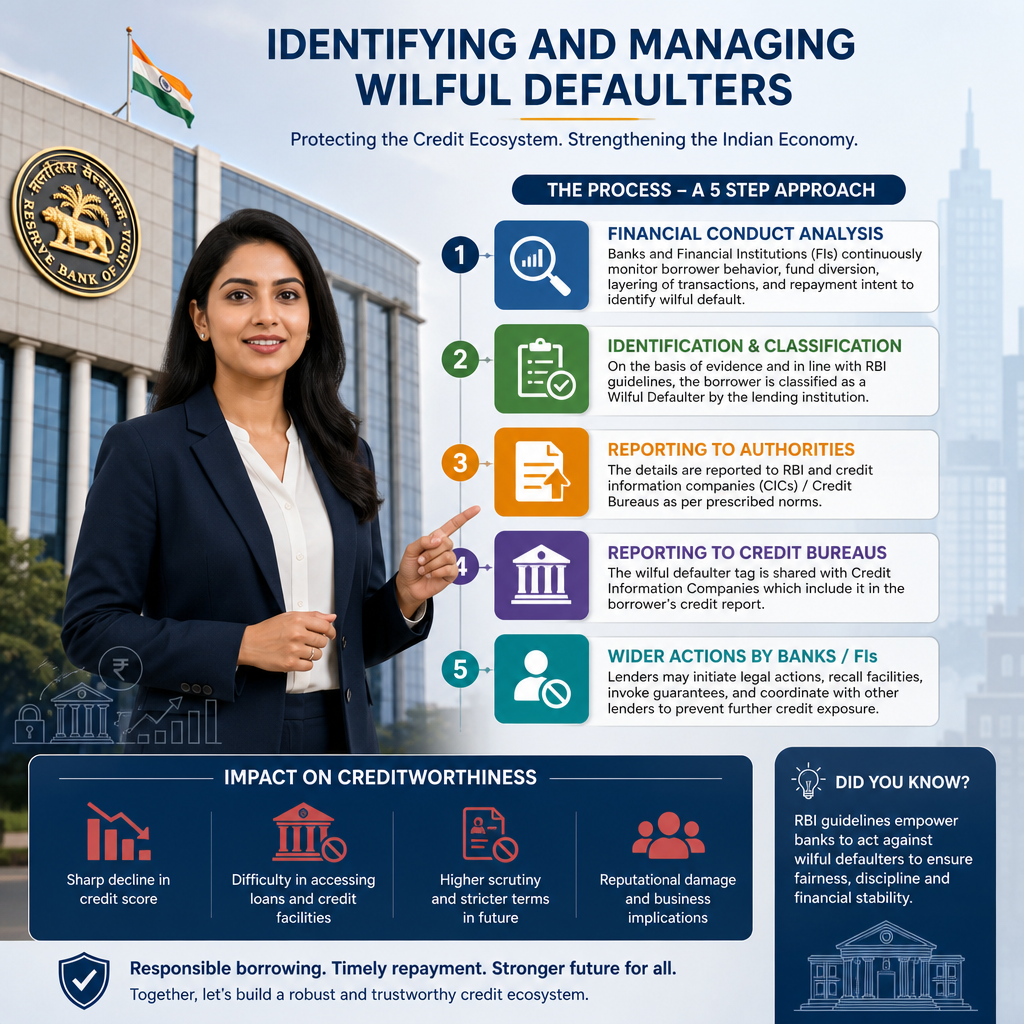
Introduction to Wilful Default
Wilful default is a significant concern in the banking sector, especially in India, as it impacts the financial ecosystem and undermines the integrity of banking operations. A borrower is classified as a wilful defaulter when they have the capability to repay their dues but choose not to. The Reserve Bank of India (RBI) has provided clear guidelines on identifying and handling such defaulters in its Master Circular on Wilful Defaulters.
This classification arises from deliberate non-payment despite sufficient resources, siphoning off funds, or fraudulent transactions. Recognizing these actions is crucial because they often reflect a borrower's intent to evade financial obligations, rather than an inability to pay due to genuine financial distress.
The RBI's guidelines emphasize the roles of lending institutions in detecting, reporting, and dealing with wilful defaults. Banks must adhere to these norms to maintain transparency and accountability. The process typically involves examining the borrower's financial conduct, analyzing the end-use of funds, and ensuring proper documentation and reporting to the RBI.
Understanding the intricacies of wilful default and the associated regulatory framework is imperative for borrowers and lenders alike. It helps protect the interests of genuine borrowers while holding defaulters accountable, thereby sustaining financial discipline in the economy.
Understanding the Legal Framework of Wilful Default
The concept of wilful default is a significant aspect of banking law, addressing situations where borrowers have the capacity to repay loans but intentionally choose not to. As defined by the Reserve Bank of India (RBI), a wilful defaulter is an entity that defaults on payment obligations, despite having the funds to do so. The Master Circular on Wilful Defaulters provides comprehensive guidelines for banks to identify and take action against such defaulters.
This framework requires banks to establish a committee for examining cases of wilful default. Upon identification, defaulters are reported to credit information companies, affecting their creditworthiness and limiting their ability to secure future loans. Moreover, promoters of companies identified as wilful defaulters are barred from accessing institutional finance for new ventures. The legal framework aims to deter borrowers from engaging in such practices by imposing stringent penalties and ensuring transparency in the banking system.
Understanding the legal implications of wilful default is crucial for borrowers as it carries severe consequences. It is essential to engage with legal counsel if there's a risk of being classified as a wilful defaulter, to explore possible defenses or remedial actions. Staying informed about RBI's guidelines can prevent unintentional breaches and maintain one's financial standing.
Key Aspects of the RBI's Master Circular on Wilful Defaulters
The Reserve Bank of India's Master Circular on Wilful Defaulters outlines critical measures to address and manage cases of wilful default. This circular is a comprehensive framework that banks and financial institutions must follow to identify and handle such defaulters.
Definition and Identification
- A wilful defaulter is one who intentionally fails to meet repayment obligations, despite having the capacity to do so.
- Banks are required to form grievance redressal committees to examine instances of wilful default thoroughly.
Role of Banks
- Banks must report instances of wilful default to the Credit Information Companies.
- The circular mandates periodic reviews to ensure every case is handled promptly and efficiently.
Penalties and Restrictions
- Wilful defaulters face restrictions on accessing future bank finance and capital markets, thereby limiting their financial operations.
- Promoters and directors of willfully defaulting companies are disqualified from holding directorships in any other firm.
For more detailed information, the RBI's Master Circular on Wilful Defaulters provides an exhaustive guide on the procedures and implications for defaulters.
Legal Consequences of Being Declared a Wilful Defaulter
Being declared a wilful defaulter has severe legal ramifications, impacting both personal and business prospects. According to the Master Circular on Wilful Defaulters by the Reserve Bank of India, an individual or company identified as such faces stringent restrictions. These include denial of financial facilities from banks and financial institutions, effectively cutting off vital credit lines essential for business operations.
Moreover, wilful defaulters are prohibited from floating new ventures for five years from the date of publication of their name in the list of wilful defaulters. This restriction extends to the entire board of companies declared as wilful defaulters. Legal action may be initiated under the Securitisation and Reconstruction of Financial Assets and Enforcement of Security Interest (SARFAESI) Act, and criminal proceedings could also be pursued under relevant sections of the Indian Penal Code (IPC) for forgery or fraudulent practices.
These repercussions not only tarnish the defaulter's reputation but also severely hinder future borrowing capacity, making it crucial to approach any financial distress situations with transparency and communication with lending institutions.
How Banks Identify and Classify Wilful Defaulters
In India, banks follow a structured approach to identify and classify wilful defaulters, as outlined in the Master Circular on Wilful Defaulters issued by the Reserve Bank of India (RBI). A borrower is labeled as a wilful defaulter if they demonstrate an intentional avoidance of repayment obligations despite having the financial capacity or if funds are used for purposes other than those specified in the loan agreement.
Identification Process
- Intentional Non-Payment: The borrower has the means to repay but chooses not to.
- Misuse of Funds: Loan funds are diverted for purposes not declared in the agreement.
- Asset Siphoning: The borrower disposes or hides secured assets without informing the lender.
- False Information: The borrower provides misleading information to obtain the loan.
Classification Procedure
- Upon suspicion, banks conduct an internal evaluation of the borrower's financial activities.
- A Grievance Redressal Committee is formed to review cases of suspected wilful default.
- Borrowers are given a chance to present their case before any final decision is made.
- Once confirmed, the borrower's status is updated as a wilful defaulter and reported to credit bureaus and the RBI.
This stringent process ensures that wilful defaulters are accurately identified and classified, maintaining the integrity of the banking system.
Steps to Challenge a Wilful Defaulter Declaration
Challenging a wilful defaulter declaration involves a strategic approach. The Reserve Bank of India's Master Circular on Wilful Defaulters provides a procedural framework. Here are the key steps:
1. Understand the Allegation
Begin by thoroughly analyzing the reasons and evidence provided for the wilful defaulter tag. This understanding is crucial for an effective challenge.
2. Gather Documentation
Collect all relevant documents, including loan agreements, repayment records, and correspondence with the bank. These will support your case against the declaration.
3. Legal Consultation
Engage a banking lawyer experienced in dealing with wilful default cases. Their expertise will guide you through legal intricacies and improve the chances of a favorable outcome.
4. Representation to the Identification Committee
Submit a detailed written representation to the bank's Identification Committee, clearly outlining your defense and evidence against the declaration.
5. Personal Hearing
Request a personal hearing with the Identification Committee. This is an opportunity to present your case and clarify any misunderstandings.
6. Appeal to the Review Committee
If the initial decision is unfavorable, you can appeal to the bank's Review Committee. Present additional evidence or arguments, if necessary.
Adhering to these steps meticulously can significantly impact the outcome of challenging a wilful defaulter declaration. For comprehensive guidelines, refer to the RBI's Master Circular on Wilful Defaulters.

Halt Recovery Agent Harassment Legally
Impact on Borrowers: Financial and Legal Ramifications
Being classified as a wilful defaulter can significantly affect a borrower's financial stability and legal standing. The Reserve Bank of India's Master Circular on Wilful Defaulters outlines stringent measures for such borrowers. Financial institutions may initiate legal proceedings to recover dues, potentially leading to asset seizures and auctioning of property.
Legally, wilful defaulters face restrictions on accessing further credit, as banks are prohibited from offering new loans to them. This restriction can severely limit business operations for corporate borrowers, impacting their reputation and future financing prospects. Moreover, directors of companies declared as wilful defaulters may face disqualification from board positions, further complicating their business endeavors.
Additionally, wilful defaulters may encounter increased scrutiny from regulatory bodies, and their details may be shared with credit information companies, tarnishing their credit scores. This can further impair their ability to secure any financial assistance in the future.
It is imperative for borrowers to address issues leading to their default promptly and engage with their lenders to explore possible settlement options to mitigate these ramifications. Seeking legal advice at an early stage can help in navigating these complex challenges effectively.
Practical Tips for Avoiding Wilful Default Status
Avoiding the stigma and legal consequences of being labeled a wilful defaulter requires proactive measures and an understanding of RBI guidelines, particularly the Master Circular on Wilful Defaulters. Here are some actionable steps to safeguard your financial reputation:
Maintain Transparent Communication
- Immediately notify your bank of any financial difficulties impacting repayment schedules.
- Provide all requested financial documents promptly to establish credibility and intent.
Adopt Financial Discipline
- Create a realistic budget to manage expenses and prioritize loan repayments.
- Avoid further borrowing while struggling with existing debt obligations.
Negotiate with Lenders
- Propose restructuring of loan terms, such as extended tenure or reduced interest rates.
- Request a temporary moratorium if facing short-term financial hardship.
Seek Legal Counsel
- Consult a banking lawyer to understand your rights and obligations under the RBI guidelines.
- Stay informed about changes in policies and circulars affecting wilful defaulters.
By adhering to these practices, borrowers can effectively mitigate the risk of being classified as wilful defaulters, thereby protecting their financial standing and business prospects.
Case Studies: Real-world Examples of Wilful Default
Understanding wilful default requires examining real-world cases where borrowers have deliberately avoided meeting their financial obligations. These cases demonstrate the complexities involved and the regulatory framework established by the Reserve Bank of India through its Master Circular on Wilful Defaulters.
Example 1: The Kingfisher Airlines Case
Kingfisher Airlines became synonymous with wilful default when it failed to repay loans amounting to over INR 9,000 crore. Despite financial distress, the promoters continued to live extravagantly, neglecting creditor obligations. The RBI's master circular played a crucial role in categorizing the airline as a wilful defaulter, allowing banks to pursue stringent recovery actions.
Example 2: The Winsome Diamonds Incident
Winsome Diamonds plunged into controversy when it defaulted on loans exceeding INR 6,800 crore. Investigations revealed funds were diverted for purposes other than specified, breaching loan agreements. The case underscored the RBI's guidelines on identifying wilful default through willful diversion of funds, reinforcing the need for strict adherence to loan covenants.
These examples illustrate the severe consequences of wilful default, highlighting the importance of the RBI's framework in safeguarding the integrity of the banking sector. By categorizing deliberate defaulters, the RBI ensures financial institutions have the necessary tools to address such challenging scenarios effectively.
Role of Arbitration and Legal Recourse in Wilful Default Cases
In wilful default cases, arbitration and legal recourse play pivotal roles in resolving disputes between banks and borrowers. Arbitration serves as an alternative dispute resolution mechanism, allowing parties to settle their conflicts outside of court. It is often preferred for its speed and confidentiality. However, its applicability in wilful default cases depends on the terms of the loan agreement and whether it includes an arbitration clause.
Legal recourse, on the other hand, involves taking the matter to court. According to the Master Circular on Wilful Defaulters by the Reserve Bank of India (RBI), legal action is a critical step in cases where borrowers are declared wilful defaulters. The circular outlines the responsibilities of banks to pursue vigorous recovery measures against such defaulters, including filing suits for recovery of dues.
Both arbitration and legal proceedings have their advantages. Arbitration is generally faster and less formal, while court proceedings provide a comprehensive legal framework for contested issues. Choosing between these avenues depends on the specific circumstances of each case, the nature of the default, and the provisions in the loan agreement. Legal advice should be sought to determine the most appropriate course of action.
RBI Guidelines: Compliance and Reporting Requirements
The Reserve Bank of India (RBI) has instituted rigorous guidelines to identify and manage wilful defaulters. These are outlined in the Master Circular on Wilful Defaulters. Banks and financial institutions must diligently follow these guidelines to ensure compliance and maintain credibility.
Key Compliance Steps
- Identification Process: Banks must establish a committee of senior officers to identify wilful defaulters. This process requires careful evaluation of each borrower's intent and ability to pay.
- Reporting Mechanism: Identified cases must be reported to the Credit Information Companies (CICs) and the RBI. This ensures that other financial institutions are aware of the borrower's history.
- Quarterly Reviews: Banks are required to conduct quarterly reviews and submit reports to the RBI. This includes ongoing monitoring of accounts flagged as wilful defaults.
Consequences of Non-Compliance
Failure to comply with the RBI's guidelines can lead to severe consequences, including regulatory sanctions. Banks risk reputational damage and potential financial penalties if they do not adhere to the established processes.
Exceptions and Special Considerations
While the guidelines are stringent, there are exceptions for genuine cases where borrowers face unforeseen difficulties. Banks are advised to consider these circumstances carefully before labeling an account as a wilful default.
Lawyer's Advice on Navigating Wilful Default Allegations
Facing allegations of wilful default can be daunting, but understanding your rights and obligations is crucial. The Reserve Bank of India's Master Circular on Wilful Defaulters outlines specific criteria that determine such defaults, including deliberate non-payment despite capacity and diversion of funds.
Steps to Address Allegations
- Immediate Response: Promptly respond to any notices received. Ignoring communications can lead to escalated actions.
- Gather Evidence: Collect all relevant documents and correspondences related to your borrowings and repayments.
- Legal Representation: Hire a competent lawyer specializing in banking law to advise you on your position and next steps.
Understanding the Process
The identification of a wilful defaulter involves a transparent process, often including a personal hearing. It's critical to prepare a well-documented defense to present your case effectively.
Common Pitfalls
- Lack of Documentation: Ensure all financial transactions are well-documented to substantiate claims.
- Neglecting Legal Notices: Failing to address notices can accelerate default proceedings.
By proactively engaging in the process and relying on expert legal advice, you can navigate the complexities of wilful default allegations while safeguarding your rights and interests.
Need Strategic Legal Defense for Your Situation?
Our banking & litigation advocates review your notices, debt liability, and recovery issues under complete advocate-client secrecy.

AMA Legal Solutions
Trusted with a 4.7 Google Rating, over 10,000+ Clients Served, 25,000+ Cases Handled, and more than 40+ Years of Experience in providing strategic legal defense and debt resolution across India.
Our media coverages





Client Reviews
"AMA Legal Solutions provided exceptional guidance on handling wilful default issues. Their expertise in banking law helped me protect my financial standing."
Arun Kumar
"The legal team at AMA Legal Solutions went above and beyond to provide clear insights into managing wilful default allegations effectively."
Vikram Patel
"AMA Legal Solutions' understanding of RBI's circular on wilful defaulters was instrumental in securing a favorable outcome for my business."
Sneha Mehta
"The team at AMA Legal Solutions was incredibly knowledgeable and supportive. They helped navigate complex RBI guidelines efficiently."
Priya Desai
"I highly recommend AMA Legal Solutions for their expertise in banking litigation. They helped us strategically manage a challenging wilful default situation."
Rajesh Sharma
Frequently Asked Questions
Related Articles

Can Bank or Loan App Remotely Lock Phone for EMI Default? RBI Rules (2026)
An investigative breakdown of RBI's Remote Device Locking Directions—explaining why lenders cannot lock your phone for personal loans, the mandatory 30/60 DPD safeguards on financed devices, the Rs. 250/hour delay penalty, and how to settle device & app loans.
Read Article
How Recovery Agents Get Your Personal Details and How to Prevent It in India (2026)
An investigative legal breakdown of the 7 hidden channels debt collectors use to trace your phone numbers, family contacts, employer, and address - and the exact statutory shields under RBI 2026 Directions and the DPDP Act, 2023 to stop them.
Read Article
willdrafting.in indias first online will drafting platform get your will in few minutes
Discover the swift and secure way to draft your will online in India today
Read ArticleAbout Author
Anuj Anand Malik
View ProfileAnuj Anand Malik, Founder of AMA Legal Solutions, is a trusted advocate, loan settlement expert, legal advisor, and banking lawyer. With over a decade of experience in loan settlement, corporate law, financial disputes, and compliance, he leads a result-driven law firm based in India that helps individuals, startups, and businesses achieve legal and financial stability.
Connect on LinkedInNeed Legal Representation?
Evaluate your defense against recovery agents, notices, or structure your loan settlement directly with Senior Advocates.
Call +91-8700343611