Supreme Court Guidelines on Loan Recovery in India
Navigating Loan Recovery: Key Supreme Court Directives

Anuj Anand Malik
Reviewed by AMA Legal Solutions
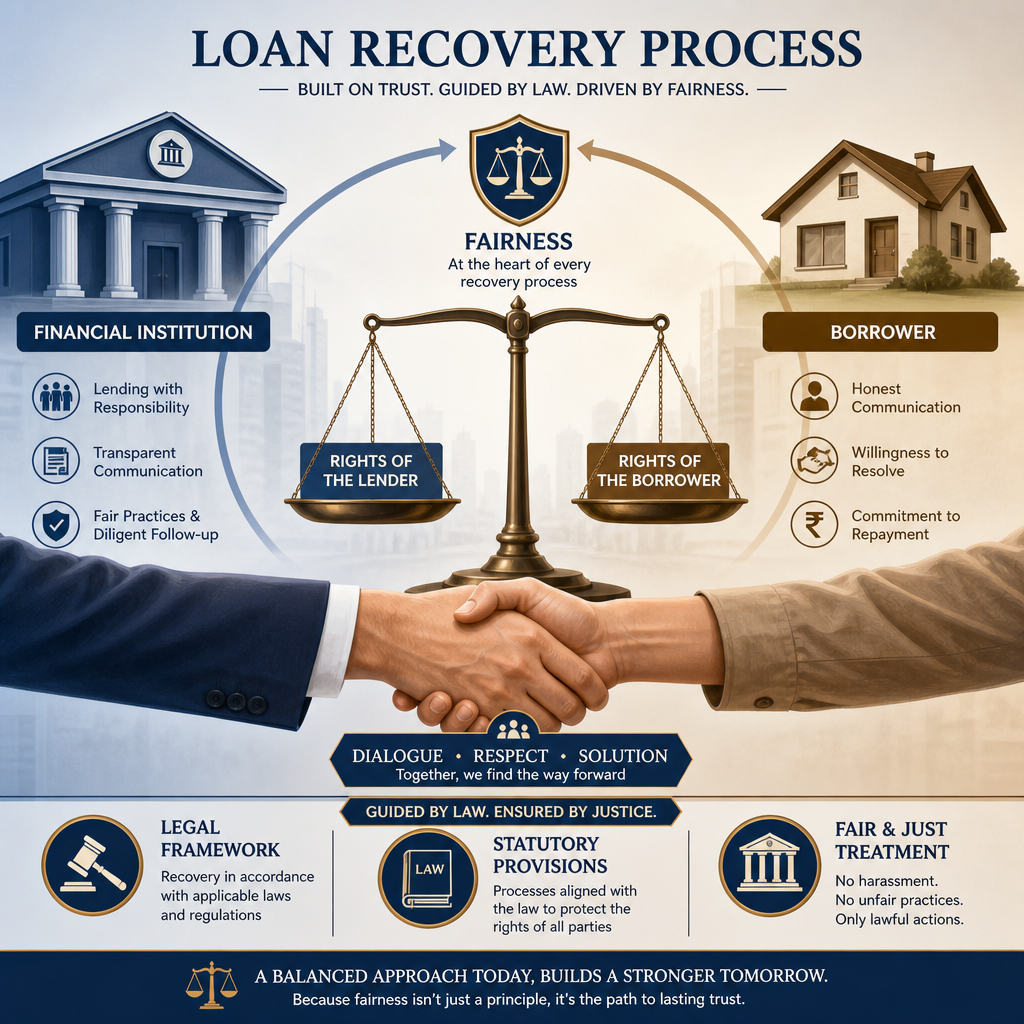
Supreme Court Guidelines on Loan Recovery
The Supreme Court of India's guidelines on loan recovery are pivotal in shaping how financial institutions and borrowers interact during the loan recovery process. These guidelines are designed to ensure that recovery practices are fair, transparent, and in accordance with the legal framework established by various Indian laws. They play a crucial role in balancing the rights of creditors and the protections afforded to borrowers, promoting a fair and ethical approach to debt collection.
Key aspects of these guidelines include adherence to due process, the necessity for financial institutions to provide clear communication to borrowers, and the prohibition of coercive recovery methods. The Supreme Court's directives often emphasize compliance with the principles enshrined in the Securitisation and Reconstruction of Financial Assets and Enforcement of Security Interest Act (SARFAESI), which governs securitization and asset reconstruction companies.
By mandating financial institutions to respect borrowers' rights, the Supreme Court guidelines aim to curtail unfair practices such as harassment or intimidation during recovery efforts. These guidelines are not static; they evolve in response to changing economic conditions and judicial interpretations, ensuring that the legal framework remains robust and relevant. Understanding these guidelines is critical for both lenders and borrowers to navigate the complexities of loan recovery in India.
Understanding the Legal Framework of Loan Recovery in India
The legal framework for loan recovery in India is governed by a combination of statutes, regulations, and judicial precedents. This framework is designed to balance the interests of financial institutions with the rights of borrowers. Key legislation includes the Securitisation and Reconstruction of Financial Assets and Enforcement of Security Interest Act, 2002 (SARFAESI Act), the Recovery of Debts Due to Banks and Financial Institutions Act, 1993, and the Insolvency and Bankruptcy Code, 2016 (IBC).
Key Provisions and Acts
SARFAESI Act, 2002: This Act allows banks and financial institutions to auction residential or commercial properties to recover loans without the court's intervention.
Recovery of Debts Due to Banks and Financial Institutions Act, 1993: This Act establishes Debt Recovery Tribunals (DRTs) for the expeditious adjudication and recovery of debts.
Insolvency and Bankruptcy Code, 2016: The IBC provides a unified framework for resolving insolvency in India, allowing creditors to initiate insolvency proceedings against defaulting borrowers.
The Supreme Court of India has played a pivotal role in interpreting these statutes, providing guidelines to ensure fair practices in loan recovery. Recent Supreme Court judgments emphasize adherence to due process, transparency, and the protection of borrower rights during recovery proceedings. Understanding these legal dimensions is crucial for both lenders and borrowers to navigate the recovery process effectively.
Key Supreme Court Judgments Impacting Loan Recovery
The Supreme Court of India has played a pivotal role in shaping the landscape of loan recovery through its landmark judgments. These rulings have not only clarified the legal framework but also provided essential guidelines for financial institutions and borrowers.
ICICI Bank Ltd. vs. Shanti Devi Sharma
In this case, the Supreme Court emphasized the importance of adhering to the principles of natural justice during the loan recovery process. The court ruled that banks must ensure adequate notice and fair hearing to borrowers before taking any coercive action under the SARFAESI Act, 2002. This judgment reinforced the need for transparency and procedural fairness in loan recovery actions.
Central Bank of India vs. Ravindra
This judgment addressed the issue of charging compound interest on loans. The Supreme Court held that banks must explicitly specify the interest rates and the method of its calculation in the loan agreement. Any ambiguity in the terms would be construed in favor of the borrower. This ruling has significant implications for ensuring fairness in the loan recovery process.
Indian Bank vs. K. Pappuraj
In this case, the Supreme Court clarified the legal provisions concerning the recovery of debts from defaulting borrowers. The court highlighted that recovery actions must be in strict compliance with the statutory framework, and any deviation could result in the annulment of the recovery proceedings.
Rights of Borrowers Under Supreme Court Directives
The Supreme Court of India has issued specific directives aimed at safeguarding the rights of borrowers during the loan recovery process. These directives ensure that borrowers are treated fairly and that their rights are protected under Indian law. Below are key rights afforded to borrowers:
Right to Fair Treatment
Non-Coercive Recovery: Lenders are prohibited from using forceful or coercive measures during loan recovery. Borrowers should not face harassment or undue pressure.
Transparent Communication: Borrowers must receive clear communication regarding the terms of the loan and any recovery process. This includes notifications about outstanding dues and recovery actions.
Right to Due Process
Notice Period: Borrowers are entitled to an adequate notice period before any repossession or recovery action is taken, allowing them to address the situation or contest the recovery.
Access to Information: Borrowers have the right to access all relevant information about their loan account, including any charges or penalties applied.
Right to Seek Redressal
Grievance Redressal Mechanism: Lenders must provide a mechanism for borrowers to file complaints regarding unfair practices or disputes related to loan recovery.
Legal Recourse: Borrowers have the right to approach courts or alternative dispute resolution forums if they believe their rights have been violated during the recovery process.
Legal Obligations of Financial Institutions in Loan Recovery
Financial institutions in India are bound by various legal obligations when it comes to loan recovery, especially in accordance with the Supreme Court guidelines. These obligations ensure that recovery processes are conducted fairly and legally, safeguarding the rights of both borrowers and lenders.
Key Obligations
Adherence to RBI Directives: Financial institutions must comply with the Reserve Bank of India's (RBI) directives on loan recovery, which mandate transparent and ethical recovery practices.
Due Notice: Institutions are required to issue proper notices to borrowers before initiating recovery proceedings. This includes providing adequate time for the borrower to respond or repay the dues.
Fair Practices Code: Adherence to the Fair Practices Code is mandatory, ensuring that borrowers are treated with dignity and respect, and that recovery agents adhere to the defined protocols.
Confidentiality: The privacy of borrowers must be maintained, and institutions must ensure that any information obtained during the recovery process is not misused.
Legal Recourse: In case of disputes, institutions should be prepared to resolve conflicts through appropriate legal channels, including arbitration or civil courts, as per the given circumstances.
By following these obligations, financial institutions not only comply with legal standards but also foster trust and credibility in their operations, thus ensuring a balanced approach to loan recovery.
The Role of SARFAESI Act in Loan Recovery
The Securitisation and Reconstruction of Financial Assets and Enforcement of Security Interest (SARFAESI) Act, 2002, plays a pivotal role in the loan recovery process in India. Enacted to address the inefficiencies in the recovery of defaulted loans, the SARFAESI Act empowers banks and financial institutions to enforce security interests without intervening in court proceedings. This legislation is crucial for expediting the recovery process and enhancing the financial stability of lending institutions.
The SARFAESI Act allows for the seizure and sale of secured assets, enabling creditors to recover outstanding dues from defaulters. Under this Act, the lenders can take possession of a mortgaged property, manage the business of defaulters, and even sell the collateral to recover the debt. This mechanism significantly reduces the time otherwise spent in lengthy litigation, making loan recovery more efficient.
The Supreme Court of India, through various rulings, has outlined the procedures and safeguards under the SARFAESI Act to protect the interests of borrowers. These guidelines ensure that borrowers are given adequate opportunity to settle their dues and that the recovery process is carried out in a fair and transparent manner.
Overall, the SARFAESI Act serves as a robust framework within the legal ecosystem, balancing the rights of creditors and borrowers, while ensuring swift resolution of loan defaults.

Halt Recovery Agent Harassment Legally
Impact of Supreme Court Guidelines on Non-Performing Assets (NPAs)
The Supreme Court guidelines on loan recovery significantly affect Non-Performing Assets (NPAs) in India, primarily by creating a more structured and fair process for financial institutions and borrowers. These guidelines aim to enhance transparency and accountability in the recovery process, thus reducing the growth of NPAs.
Firstly, the guidelines emphasize adherence to due process, mandating that all recovery actions comply with the principles of natural justice. This ensures that borrowers have adequate opportunities to be heard and contest wrongful classifications of their assets as NPAs.
Moreover, the Supreme Court has reinforced the need for financial institutions to exhaust all alternative dispute resolution mechanisms, such as settlements and arbitration, before initiating harsh recovery proceedings. This approach fosters negotiations and settlements, potentially leading to a decrease in the number of NPAs as viable agreements are reached.
Additionally, the emphasis on fair valuation and transparent auctions helps in maximizing the recovery of dues. By ensuring that asset valuations are conducted honestly and transparently, and by allowing borrowers to participate in the process, these guidelines help prevent undervaluation and subsequent legal disputes.
Overall, the Supreme Court's guidelines play a crucial role in mitigating the rise of NPAs by fostering a balanced and equitable recovery process, thereby contributing to the stability of the financial sector.
Resolving Disputes: Mediation and Arbitration in Loan Recovery
In the realm of loan recovery, resolving disputes efficiently is crucial for both creditors and debtors. Mediation and arbitration serve as viable alternatives to traditional litigation, often providing a faster and more cost-effective resolution. The Supreme Court of India has recognized and encouraged these alternative dispute resolution (ADR) mechanisms to reduce the burden on courts and facilitate amicable settlements.
Mediation in Loan Recovery
Mediation involves a neutral third-party mediator who assists the disputing parties in reaching a voluntary settlement. This process is collaborative and aims to maintain relationships while finding a mutually acceptable solution. The emphasis on confidentiality in mediation encourages open communication, which can lead to creative and flexible resolutions tailored to the parties' needs. The Supreme Court, through various judgments, has highlighted the importance of mediation, particularly in commercial disputes, including loan recoveries.
Arbitration in Loan Recovery
Arbitration, on the other hand, involves a binding decision made by an arbitrator or a panel. It is akin to a judicial process but more streamlined. Arbitration is governed by the Arbitration and Conciliation Act, 1996, which provides the framework for conducting arbitration proceedings. This method is particularly useful for complex loan recovery cases where technical knowledge and a formal decision are required. The Supreme Court has laid down guidelines to ensure fairness and efficiency in arbitration, reinforcing it as a credible alternative in loan recovery disputes.
Challenges Faced by Lenders in Enforcing Loan Recovery
Lenders in India face significant hurdles when attempting to enforce loan recovery, even with the Supreme Court guidelines providing a framework. These challenges are amplified by procedural, legal, and practical difficulties, which can complicate and delay the recovery process.
Legal and Regulatory Challenges
Complex Legal Framework: The intricate web of laws, including the SARFAESI Act, the RDDBFI Act, and insolvency proceedings, requires lenders to navigate a complex legal landscape, often leading to prolonged recovery timelines.
Judicial Delays: The backlog in courts can significantly delay resolutions, as cases may take years to reach a conclusion, which affects the lenders' cash flow and financial planning.
Challenges in Enforcement of Security: Enforcing security interests can be hampered by borrowers challenging the proceedings, resulting in additional legal battles.
Practical Challenges
Asset Valuation and Disposal: Accurately valuing and selling secured assets is often fraught with difficulty, potentially leading to inadequate recovery of dues.
Borrower Resistance: Borrowers may employ various tactics to delay recovery efforts, including filing frivolous lawsuits or seeking injunctions.
Lack of Awareness: Lenders may struggle with updates in legal provisions or changes in Supreme Court guidelines, leading to non-compliance or missteps.
Addressing these challenges requires strategic legal planning and often necessitates the expertise of legal professionals who can navigate the complexities of loan recovery effectively.
Common Mistakes in Loan Recovery and How to Avoid Them
Loan recovery is a critical aspect of banking and finance, but it is fraught with potential pitfalls. Understanding these common mistakes can help lenders navigate the complexities, especially in light of the Supreme Court guidelines on loan recovery. Below are some prevalent errors and strategies to avoid them:
1. Ignoring Due Legal Process
One of the most significant mistakes is bypassing legal procedures outlined in the Supreme Court guidelines. This can lead to legal challenges and reputational damage. Always adhere to the prescribed legal framework to ensure compliance.
2. Insufficient Documentation
Failure to maintain comprehensive records of the loan agreement, repayment schedules, and borrower communication can hinder recovery efforts. Ensure all documentation is accurate and up-to-date to substantiate claims.
3. Miscommunication with Borrowers
Poor communication can exacerbate default situations. Lenders should maintain open lines of communication with borrowers, providing clear information about obligations and consequences of non-compliance.
4. Overlooking Alternative Dispute Resolution
Ignoring options like arbitration or mediation can prolong recovery processes. Consider these alternatives to resolve disputes efficiently, in accordance with legal guidelines.
5. Underestimating the Importance of Due Diligence
Neglecting thorough background checks before loan disbursement can lead to high-risk lending. Rigorous due diligence is crucial to assess the borrower's creditworthiness and minimize default risks.
Adhering to legal procedures and Supreme Court guidelines is essential.
Ensure complete and precise documentation for effective claims.
Maintain clear and consistent borrower communication.
Explore alternative dispute resolutions to expedite recovery.
Conduct thorough due diligence to mitigate risks at the outset.
Practical Steps for Borrowers Facing Loan Recovery Actions
Borrowers facing loan recovery actions can take various steps to address the situation effectively and minimize potential negative impacts. Understanding the Supreme Court guidelines on loan recovery is crucial for borrowers to navigate this challenging phase. Here are practical steps to consider:
1. Review Loan Agreement Terms
Start by thoroughly examining the terms and conditions of the loan agreement. Pay special attention to the clauses concerning default, recovery procedures, and interest rates. Understanding your obligations and rights as per the agreement will help in assessing whether any terms have been breached by the lender.
2. Communicate with the Lender
Open a line of communication with the lender to discuss your financial difficulties. Many lenders appreciate proactive communication and may offer restructuring options or temporary relief measures to help you manage the repayment.
3. Evaluate Legal Options
If you believe the lender has not adhered to the guidelines set by the Supreme Court regarding recovery methods, it is advisable to consult with a legal expert. Legal professionals can provide insights into whether the recovery actions are lawful and suggest appropriate legal remedies.
4. Gather Evidence
Maintain a detailed record of all correspondence with the lender, including emails, letters, and any notices received. This documentation will be valuable if legal intervention becomes necessary.
5. Consider Alternative Dispute Resolution
If negotiations with the lender do not yield satisfactory results, consider alternative dispute resolution methods such as mediation or arbitration. These can offer a more amicable and less costly resolution to the dispute.
Review your financial situation and assess whether settling the debt partially is viable.
Engage a financial advisor for a comprehensive analysis of your financial health and repayment capabilities.
Taking these steps can help borrowers manage loan recovery actions more effectively while ensuring their rights are protected under the law.
When to Seek Legal Assistance in Loan Recovery Matters
Loan recovery can be a complex and challenging process, particularly in light of the Supreme Court's guidelines governing such matters in India. Understanding when to enlist the help of a legal professional can significantly impact the outcome of your recovery efforts. Here are some situations where consulting a lawyer could be crucial:
Complex Legal Issues
If the borrower raises intricate legal defenses or counterclaims, a lawyer can help you navigate these complexities and provide robust representation.
Non-Compliance with Guidelines
Should there be any indications that the recovery process is not in compliance with the Supreme Court's guidelines, legal advice is essential to ensure that your actions remain within the legal framework.
Alternative Dispute Resolution
In cases where mediation, arbitration, or negotiation might be viable alternatives to litigation, a legal professional can guide you through these processes effectively.
Enforcement of Recovery Orders
When enforcing a court-issued recovery order, expert legal assistance can be crucial to avoid procedural errors and ensure efficient execution.
Cross-Border Recovery
For loans involving parties in different jurisdictions, specialized legal assistance is necessary to address international laws and treaties involved in the recovery process.
Legal Risk Assessment
Engaging a lawyer can help in assessing potential legal risks and liabilities, thereby avoiding future complications.
Ultimately, consulting with a legal expert at the earliest signs of complication can avert prolonged disputes and enhance the prospects of successful recovery.
Need Strategic Legal Defense for Your Situation?
Our banking & litigation advocates review your notices, debt liability, and recovery issues under complete advocate-client secrecy.
AMA Legal Solutions
Trusted with a 4.7 Google Rating, over 10,000+ Clients Served, 25,000+ Cases Handled, and more than 40+ Years of Experience in providing strategic legal defense and debt resolution across India.
Our media coverages





Client Reviews
"Highly satisfied with the service provided by AMA Legal Solutions. Their in-depth knowledge of loan recovery laws made a significant difference in our case outcome."
Anuj Patel
"AMA Legal Solutions exceeded our expectations with their strategic approach and comprehensive understanding of the legal framework for loan recovery."
Neha Gupta
"The team at AMA Legal Solutions was instrumental in handling our case with professionalism and expertise. They ensured our rights were protected and the process was smooth."
Priya Desai
"The legal team at AMA Legal Solutions was thorough and effective in handling our loan recovery issues, ensuring compliance with all Supreme Court directives."
Vikram Singh
"AMA Legal Solutions provided exceptional guidance during our loan recovery process. Their understanding of Supreme Court guidelines ensured a fair and transparent resolution."
Rohit Sharma
Frequently Asked Questions
Related Articles

Can Bank or Loan App Remotely Lock Phone for EMI Default? RBI Rules (2026)
An investigative breakdown of RBI's Remote Device Locking Directions—explaining why lenders cannot lock your phone for personal loans, the mandatory 30/60 DPD safeguards on financed devices, the Rs. 250/hour delay penalty, and how to settle device & app loans.
Read Article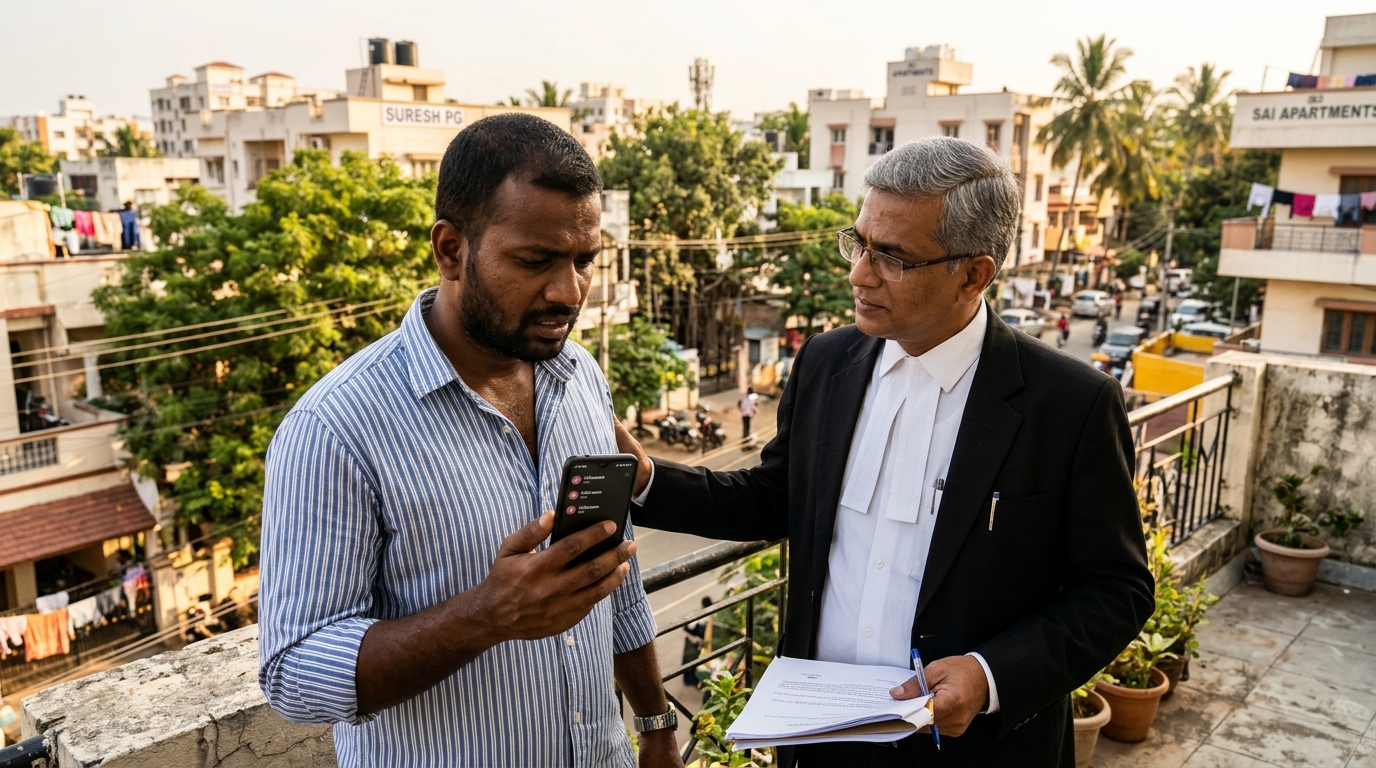
How Recovery Agents Get Your Personal Details and How to Prevent It in India (2026)
An investigative legal breakdown of the 7 hidden channels debt collectors use to trace your phone numbers, family contacts, employer, and address - and the exact statutory shields under RBI 2026 Directions and the DPDP Act, 2023 to stop them.
Read Article
willdrafting.in indias first online will drafting platform get your will in few minutes
Discover the swift and secure way to draft your will online in India today
Read ArticleAbout Author
Anuj Anand Malik
View ProfileAnuj Anand Malik, Founder of AMA Legal Solutions, is a trusted advocate, loan settlement expert, legal advisor, and banking lawyer. With over a decade of experience in loan settlement, corporate law, financial disputes, and compliance, he leads a result-driven law firm based in India that helps individuals, startups, and businesses achieve legal and financial stability.
Connect on LinkedInNeed Legal Representation?
Evaluate your defense against recovery agents, notices, or structure your loan settlement directly with Senior Advocates.
Call +91-8700343611