Unable to Pay Credit Card Bills? Find Solutions Here
Explore legal options and strategies for managing credit card debt.

Anuj Anand Malik
Reviewed by AMA Legal Solutions
Introduction to Managing Credit Card Debt
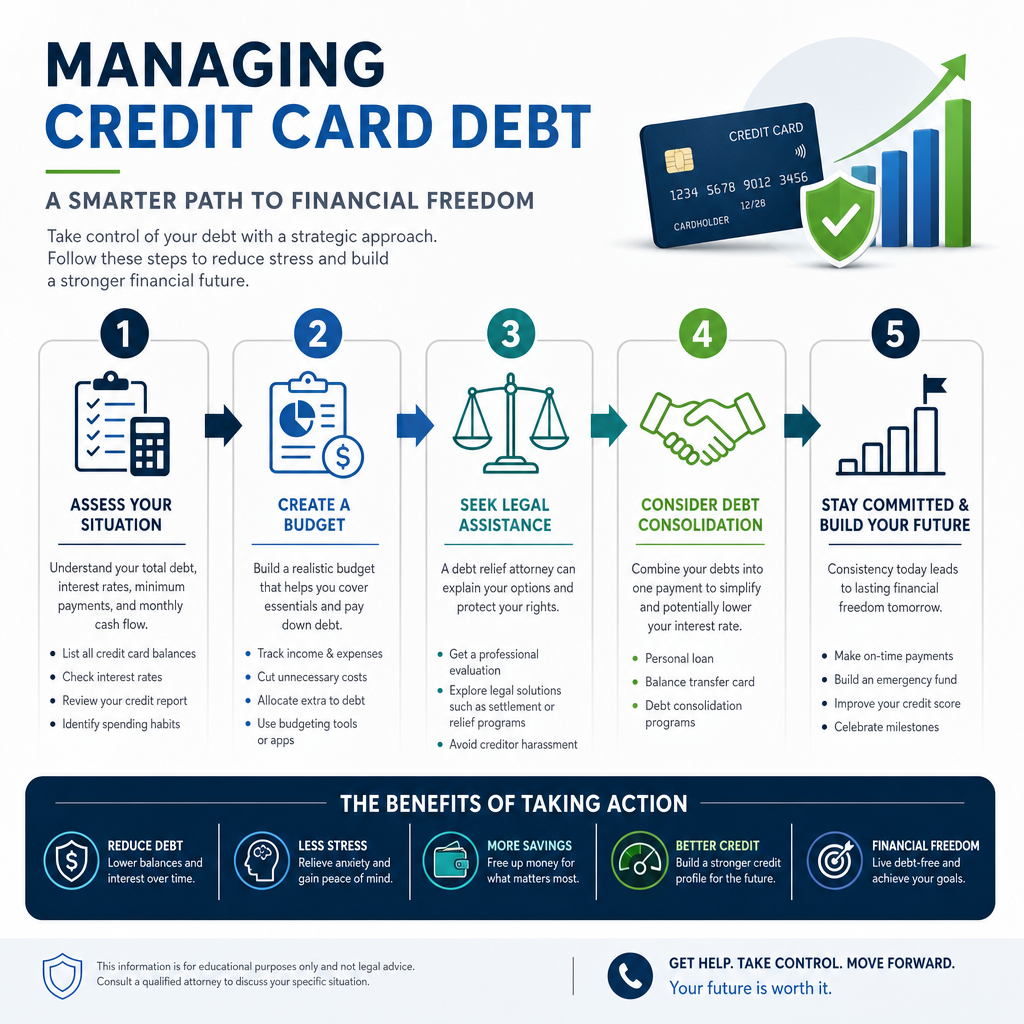
Managing credit card debt is a critical aspect of personal finance that requires a strategic approach, especially when one is unable to pay credit card bills. In India, credit card usage has increased significantly, with many individuals relying on them for daily expenses. However, the convenience of credit cards can quickly turn into a burden if not managed properly, leading to financial stress and potential legal consequences.
Understanding your credit card terms is the first step towards effective debt management. Credit cards issued by banks often come with high-interest rates, late payment fees, and other charges that can exacerbate financial difficulties if payments are missed. Therefore, it is essential to familiarize yourself with these terms and conditions. The Reserve Bank of India (RBI) has guidelines that protect consumers, but staying informed and vigilant is crucial to avoid unnecessary charges.
Creating a budget plan is another vital step in managing credit card debt. By analyzing your income and expenses, you can identify areas where you can cut back and allocate more funds towards paying off your credit card balances. This proactive approach can help in reducing the overall debt burden. For those who need professional assistance in restructuring their finances, services such as banking and finance solutions offered by AMA Legal Solutions can provide valuable guidance.
Debt consolidation is another strategy that can be effective for individuals unable to pay credit card bills. By consolidating multiple credit card debts into a single loan with a lower interest rate, you can simplify payments and reduce financial stress. This can be particularly advantageous if you are also dealing with other forms of debt. AMA Legal Solutions offers loan settlement services that can assist in negotiating with creditors and finding a feasible repayment plan.
Finally, seeking legal assistance can be a prudent step in managing overwhelming debt. Understanding your rights and exploring legal avenues can provide a clear path forward. Legal services such as litigation and arbitration offered by AMA Legal Solutions may help in handling disputes with credit card companies or debt collectors. Moreover, ensuring that you have proper documentation and contracts can be facilitated through their drafting services, providing peace of mind and a structured approach to debt resolution.
Understanding the Legal Framework for Debt Relief
When you find yourself unable to pay credit card bills, understanding the legal framework for debt relief can provide much-needed clarity and direction. In India, the legal system offers several avenues for debt relief, which can help individuals navigate through financial distress. From negotiating settlements to understanding your rights under specific laws, being informed is the first step towards finding a solution.
The Banking and Finance sector in India is regulated by the Reserve Bank of India (RBI), which sets guidelines for financial practices. One of the key elements of the legal framework is the Insolvency and Bankruptcy Code (IBC) 2016, designed to provide a streamlined insolvency resolution process for individuals and businesses. This law aims to balance the interests of debtors and creditors by offering a systematic approach to dealing with insolvency and thus can be a critical tool for those overwhelmed by credit card debt.
Furthermore, the Securitisation and Reconstruction of Financial Assets and Enforcement of Security Interest (SARFAESI) Act, 2002, allows financial institutions to auction residential or commercial properties to recover loans. However, it is essential to know that this act is applicable only for secured loans. Therefore, for credit card debt, which is typically unsecured, other mechanisms such as debt restructuring or the intervention of the Debts Recovery Tribunal (DRT) may be more relevant.
Debt restructuring is another viable option, where individuals can work with financial advisors or legal experts to renegotiate the terms of their debt. This might include lowering the interest rate, extending the repayment term, or even reducing the overall debt amount. At AMA Legal Solutions, our experts can guide you through the process of loan settlement, ensuring your interests are protected while working towards a feasible repayment plan.
Another critical aspect of the legal framework is the Consumer Protection Act, 2019, which empowers consumers against unfair trade practices and can be a useful tool when dealing with aggressive recovery tactics by creditors. It is important that consumers understand their rights and the legal recourses available to them. Engaging with legal professionals who have expertise in civil law and litigation can provide the necessary support in such situations.
Considering the complexity and nuanced nature of debt, seeking professional legal advice is often the best course of action. Whether you're dealing with issues related to credit card debt or other financial obligations, consulting with experts in the field can help navigate the intricacies of the legal system. By visiting AMA Legal Solutions, you can access a range of services that are designed to facilitate effective debt resolution and ensure your financial stability.
Common Reasons for Credit Card Debt Accumulation
Many individuals in India find themselves unable to pay credit card bills due to a variety of reasons. Understanding these can help in managing and mitigating debt. Here, we explore some common causes that lead to credit card debt accumulation.
1. Overspending and Impulse Purchases
One of the primary reasons for credit card debt is the tendency to overspend. With the convenience of credit cards, it's easy to make impulse purchases without considering the long-term financial implications. The allure of discounts and reward points can often lead to spending beyond one's means. This habit can quickly result in mounting debt, especially if the full amount is not paid off monthly, leading to high-interest charges.
2. Medical Emergencies
Unexpected medical emergencies can significantly impact one's financial stability. In the absence of adequate health insurance coverage, individuals might resort to using credit cards to cover medical expenses. The high cost of healthcare, combined with the inability to pay off these expenses promptly, often results in substantial credit card debt. For advice on managing such financial challenges, consider exploring banking and finance legal services offered by AMA Legal Solutions.
3. Job Loss or Reduced Income
Economic downturns and other unforeseen circumstances can lead to job loss or reduced income, leaving individuals struggling to meet financial obligations. Without a steady income, credit cards may become a temporary solution to cover essential expenses. However, this can quickly escalate into unmanageable debt if not addressed promptly. Legal assistance in corporate and employment law can provide insights into potential remedies and rights in such situations.
4. High-Interest Rates and Fees
Credit cards often come with high-interest rates and additional fees for late payments. If not carefully monitored, these can compound the debt significantly. Many cardholders may only pay the minimum due, unaware of the accruing interest that inflates their debt. Understanding the terms and conditions of your credit card agreement is crucial to avoid such pitfalls. Legal drafting services can be valuable in reviewing these agreements for better financial management.
5. Lack of Financial Literacy
Financial literacy plays a critical role in managing credit card debt. A lack of understanding of how credit works, interest calculations, and the long-term impact of minimum payments can lead to debt accumulation. Educating oneself about personal finance and seeking professional advice can make a significant difference. For comprehensive legal solutions in managing debt, AMA Legal Solutions provides loan settlement services to help navigate these challenges effectively.
By recognizing these factors, individuals can take proactive steps to manage their finances better and avoid the pitfalls of credit card debt. Engaging with professional services can offer the support and guidance needed to regain financial independence.
Legal Consequences of Unpaid Credit Card Bills
When you find yourself unable to pay credit card bills, the repercussions can be more severe than just damaging your credit score. In India, failing to settle your credit card debt can lead to several legal implications. Understanding these consequences can help you prepare and potentially mitigate the adverse effects.
First and foremost, if you default on a credit card payment, the bank or financial institution will initially attempt to resolve the matter through regular reminders and notifications. However, if the payment remains outstanding, the bank may escalate the situation by involving third-party collection agencies. These agencies are known for their persistent follow-ups, which can add stress to the already challenging situation.
In addition to collection efforts, creditors may initiate legal proceedings to recover the outstanding amount. This can result in a civil suit being filed against you. In such cases, it is crucial to understand your rights and the legal processes involved. Consulting with experts in litigation can provide valuable insights into your defense options and how to handle the lawsuit effectively.
Another significant consequence of unpaid credit card bills is the potential impact on your financial future. If a court rules in favor of the creditor, it may lead to a legal judgment against you. This judgment could result in wage garnishment or the attachment of your bank account and other assets to satisfy the debt. Seeking professional advice from banking and finance experts can help prevent these outcomes by exploring settlement options or restructuring your debt.
Moreover, repeated defaults can affect your eligibility for future loans or credit facilities. Banks and financial institutions consider your credit history before approving any new credit applications. If you find yourself in this predicament, consider exploring loan settlement services to negotiate with creditors for a feasible repayment plan.
Lastly, while credit card debt is generally considered a civil matter, any fraudulent activity associated with your account, such as providing false information, can lead to criminal charges. In such scenarios, engaging with criminal law professionals is imperative to protect your rights and navigate the legal system effectively.
Exploring Debt Settlement Options
When the burden of credit card debt becomes overwhelming, exploring debt settlement options can be a viable solution. Debt settlement involves negotiating with your creditors to accept a lump sum payment that is less than the total amount owed, effectively reducing the debt. While this option can provide relief, it requires careful consideration and strategic planning. In India, where the Reserve Bank of India (RBI) governs financial transactions, it is crucial to understand the implications of debt settlement fully.
One of the first steps in exploring debt settlement is to evaluate your financial situation thoroughly. This involves assessing your income, expenses, and outstanding debts. It is essential to determine how much you can realistically offer as a lump sum settlement. Consulting with professionals in the field, such as those at AMA Legal Solutions, can provide guidance tailored to your circumstances.
Once you have a clear picture of your finances, the next step is to initiate negotiations with your creditors. This can be a daunting task, as creditors are typically focused on recovering as much of the debt as possible. However, presenting a reasonable offer backed by your financial capability can lead to successful negotiations. It's advisable to have experienced negotiators, like the team at AMA Legal Solutions Loan Settlement Services, handle these discussions, ensuring your interests are well-represented.
It is important to be aware of the potential impacts of debt settlement on your credit score. While settling a debt can prevent further financial damage, it may initially affect your credit rating. However, with time and responsible financial behavior, your credit score can recover. Guidance on managing these aspects can be sought from experts in financial and corporate law, such as those at AMA Legal Solutions Corporate Services.
Additionally, understanding the legal ramifications of debt settlement is crucial. The settlement agreement must be drafted accurately to protect your interests and comply with legal standards. Professional legal drafting services, like those offered by AMA Legal Solutions Drafting Services, ensure that every detail is covered, avoiding potential disputes in the future.
In conclusion, while debt settlement can be an effective way to manage overwhelming credit card debt, it requires a well-informed approach. Engaging with legal and financial experts ensures that the settlement process is handled efficiently and in your best interests. For comprehensive assistance, consider the wide range of services provided by AMA Legal Solutions to navigate the complexities of debt settlement.
How Bankruptcy Can Affect Your Credit Card Debt
Filing for bankruptcy can be a daunting decision, but for those unable to pay credit card bills, it may provide a viable solution to overwhelming debt. Understanding how bankruptcy affects credit card debt is crucial before proceeding with this financial strategy. In India, the Insolvency and Bankruptcy Code, 2016 governs bankruptcy proceedings and provides a structured approach to debt resolution for individuals.
When you file for bankruptcy, an automatic stay is immediately put into place, halting all collections, lawsuits, and even harassment from creditors. This means that creditors must cease their attempts to collect on your credit card debt. During this time, a trustee is appointed to oversee the debtor's financial affairs. The ultimate goal is to either discharge the debt entirely or come up with a restructured payment plan that the debtor can manage.
Not all credit card debt is treated equally in bankruptcy. Chapter 7 bankruptcy, often referred to as liquidation bankruptcy, can lead to the discharge of unsecured debts such as credit card bills. However, assets may be liquidated to pay off creditors. In contrast, Chapter 13 bankruptcy allows you to keep your assets but requires you to follow a court-mandated repayment plan over three to five years. It's essential to consult with experts in banking and finance law to understand which option suits your financial situation best.
The impact of bankruptcy on your credit score is significant. While it can stay on your credit report for up to ten years, effectively reducing your score, it also provides a fresh start by alleviating the pressure of insurmountable debt. This fresh start can be crucial for rebuilding credit. Services like loan settlement can also be considered as an alternative to bankruptcy, where negotiations for reduced payment terms might help in regaining financial stability without the long-term credit impact of bankruptcy.
Moreover, bankruptcy isn't the end of financial dealings. Post-bankruptcy, individuals should focus on budget management and financial planning. Engaging with services such as real estate or corporate law might be essential when dealing with secured loans or business assets. For those involved in creative sectors, guidance from entertainment law can assist in protecting future earnings and intellectual rights.
If you are considering bankruptcy due to overwhelming credit card debt, it is advisable to seek professional legal guidance. Experts in litigation and arbitration at AMA Legal Solutions can offer personalized strategies to manage debts effectively and lawfully. Taking the right legal steps can make a significant difference in regaining financial confidence and stability.

Halt Recovery Agent Harassment Legally
The Role of Debt Management Plans
When you find yourself unable to pay credit card bills, exploring the option of a Debt Management Plan (DMP) can be a prudent step. A DMP is a structured repayment program designed to help individuals regain control over their financial obligations by consolidating their unsecured debts into a single, manageable monthly payment. This approach can be particularly beneficial for those struggling to meet multiple credit card dues, as it simplifies the repayment process and often results in reduced interest rates.
The primary advantage of a Debt Management Plan is its ability to provide relief by negotiating with creditors on your behalf. This arrangement is typically facilitated by credit counseling agencies that work to reduce interest rates and waive late fees, ultimately lowering the total repayment amount. In India, with the Reserve Bank of India (RBI) monitoring financial practices, it's crucial to select a credible agency that adheres to ethical standards and regulations.
One of the key components of a DMP is the agreement to close existing credit card accounts. This can be a double-edged sword - while it prevents further accumulation of debt, it also impacts your credit score in the short term. However, as you make regular payments under the plan, your credit score can gradually improve. It's important to weigh this aspect carefully, especially if you have future plans involving loans or mortgages. For assistance with legal matters related to banking and finance, consider consulting AMA Legal Solutions.
Implementing a Debt Management Plan requires a commitment to budget discipline, as it usually spans a period of three to five years. During this time, participants are encouraged to adopt better financial habits and seek financial education. Counselors play a pivotal role in providing guidance and support throughout the plan's duration, ensuring that you stay on track to achieve financial stability. Additionally, for debt-related issues that may lead to legal proceedings, engaging with professionals for loan settlement can offer an alternative perspective.
In cases where credit card debt intertwines with other complex legal matters such as corporate or civil issues, seeking comprehensive legal advice becomes imperative. AMA Legal Solutions offers a range of services including civil and litigation services that can aid in navigating these complexities. Understanding the role of Debt Management Plans and their implications can empower you to make informed decisions towards financial recovery.
Negotiating with Creditors: Tips and Strategies
When you find yourself unable to pay credit card bills, negotiating with your creditors can be a valuable step in managing your financial situation. Engaging in open communication with creditors can often lead to a more manageable repayment plan. Here are some effective tips and strategies to help you in this process.
Understand Your Financial Position
Before reaching out to your creditors, it's crucial to have a clear understanding of your financial position. Calculate your total income, necessary expenses, and the exact amount you owe on your credit card. Understanding your budget will help you propose a realistic payment plan that you can adhere to. Keep in mind that creditors are more likely to negotiate if they see that you have a solid plan in place.
Contact Your Creditors Early
Proactivity is key when you are unable to pay credit card bills. Contact your creditors as soon as you anticipate trouble in making payments. Early communication demonstrates responsibility and may provide more options for negotiation, such as reduced interest rates or temporary payment deferrals. Remember, the sooner you address the issue, the more leverage you might have in negotiations.
Prepare to Negotiate
During negotiations, it's important to present a clear case for why you need assistance. Be honest about your financial situation and any circumstances that have contributed to your inability to pay, such as job loss or unexpected medical expenses. Propose a payment plan that aligns with your current financial capabilities. Consider seeking professional assistance, such as those offered by AMA Legal Solutions' Banking and Finance services, to strengthen your negotiation strategy.
Explore Debt Settlement Options
Debt settlement may be a viable option if you are unable to pay the full amount owed. In this scenario, you negotiate with your creditor to pay a lump sum that is less than the full balance. While this can be beneficial, it is advisable to consult with experts, like those at AMA Legal Solutions' Loan Settlement services, to ensure that the terms are favorable and that you fully understand the implications of such an agreement.
Document Everything
Keep detailed records of all communications with your creditors. Document the dates, times, and representatives you speak with, as well as the content of the discussions. If a creditor agrees to new terms, request written confirmation. Proper documentation can be invaluable if disputes arise later, and the Drafting services at AMA Legal Solutions can assist in ensuring clarity and legal solidity in your agreements.
Consumer Rights and Protections in Debt Collection
When you find yourself unable to pay credit card bills, understanding your consumer rights in the debt collection process is crucial. In India, the Reserve Bank of India (RBI) and the Consumer Protection Act, 2019 offer significant protections to individuals facing financial distress. Knowing these rights can help shield you from unlawful practices and undue stress.
Firstly, debt collectors must adhere to ethical collection practices. They are prohibited from engaging in harassment or abusive behavior. This includes making frequent, insistent phone calls at odd hours or using threatening language. If you face such treatment, it is advisable to seek legal assistance, such as the litigation services provided by AMA Legal Solutions, to address these violations effectively.
Another critical right is the right to privacy. Collection agencies cannot publicly disclose your debt situation or embarrass you within your community in attempts to recover the dues. Any breach of privacy should be documented, and legal advice should be sought immediately to ensure your rights are defended. For expert legal support, you might consider the civil law services offered by AMA Legal Solutions.
Additionally, consumers have the right to dispute erroneous debt claims. If the amount being collected is not what you owe, you can challenge it. Under the law, you are entitled to request a verification of the debt. This means the debt collector must provide evidence of the amount owed. To navigate this process, you might find the arbitration services by AMA Legal Solutions beneficial to reach a fair resolution.
It is also essential to know that you have the right to a transparent and fair collection process. Debt collectors must provide clear information regarding the debt, including the amount owed and the name of the creditor. If transparency is lacking, it could be indicative of a fraudulent claim, and professional guidance should be sought. The banking and finance services by AMA Legal Solutions can offer invaluable assistance in such instances.
Understanding these rights not only helps protect you from unscrupulous practices but also empowers you to make informed decisions about your financial health. By partnering with experienced legal professionals, like those at AMA Legal Solutions, you can ensure your rights are fully upheld during the debt collection process.
Legal Advice: When to Seek Professional Help
When you find yourself unable to pay credit card bills, seeking professional legal advice can be a crucial step in managing the situation effectively. The complexities of financial obligations, especially those involving credit cards, can often lead to legal consequences if not addressed promptly. Understanding when to seek professional help can save you from potential legal battles and further financial distress.
One of the primary indicators that you should seek legal advice is receiving persistent collection calls or legal notices from your credit card company. These can escalate into legal actions if not handled appropriately. In such cases, consulting an expert in Banking and Finance law can help you understand your rights and obligations, and potentially negotiate a settlement with the creditors.
Another scenario where professional help is vital is if you are considering declaring bankruptcy. Bankruptcy can have long-term repercussions on your financial health and credit score. Legal professionals well-versed in loan settlement and civil law can guide you through the process, helping you evaluate if this is the best option for your situation or if there are alternative solutions like restructuring the debt.
Furthermore, if your inability to pay credit card bills is also affecting other areas of your life, such as your home or business, legal advice is essential. For instance, unpaid debts may result in liens against your property or disruptions in business operations. Professionals in real estate or corporate law can offer insights into protecting your assets and ensuring compliance with legal obligations.
Lastly, it is wise to seek legal counsel if you feel that you have been a victim of unfair or fraudulent practices by credit card companies. Engaging an expert in cyber law and criminal law can help you address any fraudulent activities and potentially recover any losses incurred.
Overall, professional legal assistance can provide the guidance and support needed to navigate the legal complexities associated with unpaid credit card bills. Whether it involves negotiating with creditors, exploring bankruptcy alternatives, or protecting your assets, seeking timely legal advice is a proactive step towards financial recovery and stability.
Case Studies: Successful Debt Resolution
For those unable to pay credit card bills, finding a viable resolution can seem daunting. However, with the right approach and legal guidance, it is entirely possible to resolve these financial challenges effectively. Here, we present real-life case studies that illustrate successful debt resolution strategies, showcasing how individuals have navigated their financial difficulties.
Case Study 1: Negotiating with Creditors
Mr. Sharma, a resident of Mumbai, found himself unable to pay his credit card bills after a sudden job loss. Instead of ignoring the problem, he reached out to his creditors to negotiate new terms. By openly discussing his financial situation, he was able to secure a reduction in the interest rate and an extended repayment period. This was facilitated by legal experts from AMA Legal Solutions' Banking and Finance services, who provided expert advice and representation, enabling Mr. Sharma to regain financial stability.
Case Study 2: Debt Consolidation
Mrs. Verma from Delhi had accumulated significant debt across multiple credit cards, resulting in unmanageable monthly payments. She sought assistance from AMA Legal Solutions to explore debt consolidation options. By combining her debts into a single loan with a lower interest rate, she was able to simplify her payments and reduce her financial burden. This strategic move was supported by the comprehensive financial advice provided by the firm's Loan Settlement specialists.
Case Study 3: Arbitration and Settlement
Faced with aggressive collection actions, Mr. Kapoor from Bangalore opted for an arbitration approach to settle his credit card debts. With professional guidance from AMA's Arbitration services, he successfully reached a settlement agreement that was fair and equitable. This alternative dispute resolution method not only saved him from costly litigation but also allowed him to resolve his debts amicably and efficiently.
These case studies demonstrate that when individuals are unable to pay credit card bills, there are multiple pathways to resolution, each tailored to their unique circumstances. Leveraging expert legal assistance and exploring options such as negotiation, consolidation, and arbitration can pave the way to financial recovery. For those facing similar challenges, consulting with legal experts at AMA Legal Solutions can provide the necessary support and guidance to navigate the complexities of debt resolution.
Conclusion: Taking Control of Your Financial Future
When you find yourself unable to pay credit card bills, it can seem overwhelming, but with the right actions and mindset, you can regain control over your financial future. The key is to act promptly and explore viable options that align with your financial situation. Consider seeking professional assistance to navigate through the complexities of debt management, which can be a crucial step in regaining your financial stability.
At AMA Legal Solutions, we provide comprehensive services that can help you tackle financial distress. Our banking and finance services can offer guidance on managing credit card debt more effectively. Whether you need advice on restructuring your debt or understanding legal ramifications, our proficient team is equipped to assist you.
In scenarios where debt settlement becomes necessary, exploring our loan settlement services might be beneficial. This service can provide you with the negotiating strategies and legal support to approach your creditors for more manageable repayment terms. It is often a viable alternative when seeking a reduction in outstanding balances or a more lenient payment schedule.
Taking control of your financial future also involves protecting your existing assets and planning for unforeseen circumstances. Beyond immediate debt concerns, consider our other services, such as corporate law solutions and real estate services, which can help in safeguarding your financial interests. Planning for the future ensures that you are not only addressing current financial challenges but also fortifying your financial health in the long term.
Furthermore, understanding the broader implications of your financial decisions is crucial. If your debt issues are intertwined with other legal matters, consider consulting our litigation and arbitration services. Our experienced legal professionals can provide you with insights into how best to resolve disputes that may arise, allowing you to focus on rebuilding your financial stability without the added stress of legal conflicts.
By taking proactive steps and utilizing resources available through professional services, you can transform your financial challenges into opportunities for growth and stability. Take the first step today by contacting AMA Legal Solutions to explore how we can assist you in managing your debt and planning for a financially secure future.
Need Strategic Legal Defense for Your Situation?
Our banking & litigation advocates review your notices, debt liability, and recovery issues under complete advocate-client secrecy.
AMA Legal Solutions
Trusted with a 4.7 Google Rating, over 10,000+ Clients Served, 25,000+ Cases Handled, and more than 40+ Years of Experience in providing strategic legal defense and debt resolution across India.
Our media coverages





Client Reviews
"AMA Legal Solutions' expertise in the legal framework for debt relief was crucial in navigating my financial challenges. Highly recommended!"
Neha Sharma
"AMA Legal Solutions provided exceptional assistance in consolidating my credit card debts, making my financial management stress-free and clear."
Rajesh Kumar
"With AMA Legal Solutions' help, I was able to negotiate a favorable settlement with my creditors, significantly easing my financial burden."
Vikram Patel
"The guidance on creating a budget plan and understanding credit card terms was invaluable, thanks to AMA Legal Solutions' expert team."
Ananya Verma
"The professional advice from AMA Legal Solutions was instrumental in understanding my rights and managing my credit card dues effectively."
Priya Singh
Frequently Asked Questions
Related Articles
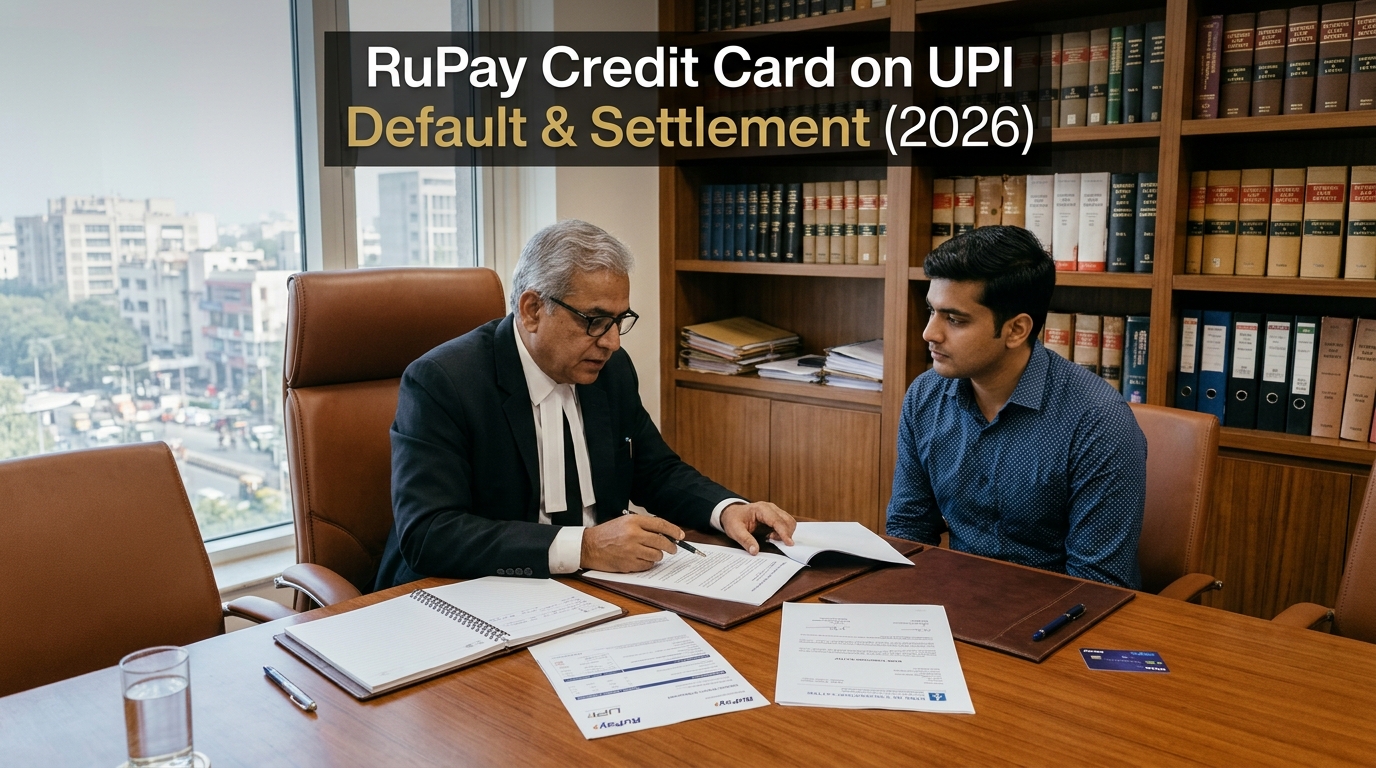
RuPay Credit Card on UPI Default & Credit Line on UPI Settlement (2026)
Micro-transactions on RuPay UPI Credit Cards and pre-approved 'Credit Lines on UPI' have triggered a massive wave of 42%+ APR revolving debt traps. Find out if defaulting blocks your personal savings UPI and how to settle RuPay UPI credit dues for 30%–50%.
Read Article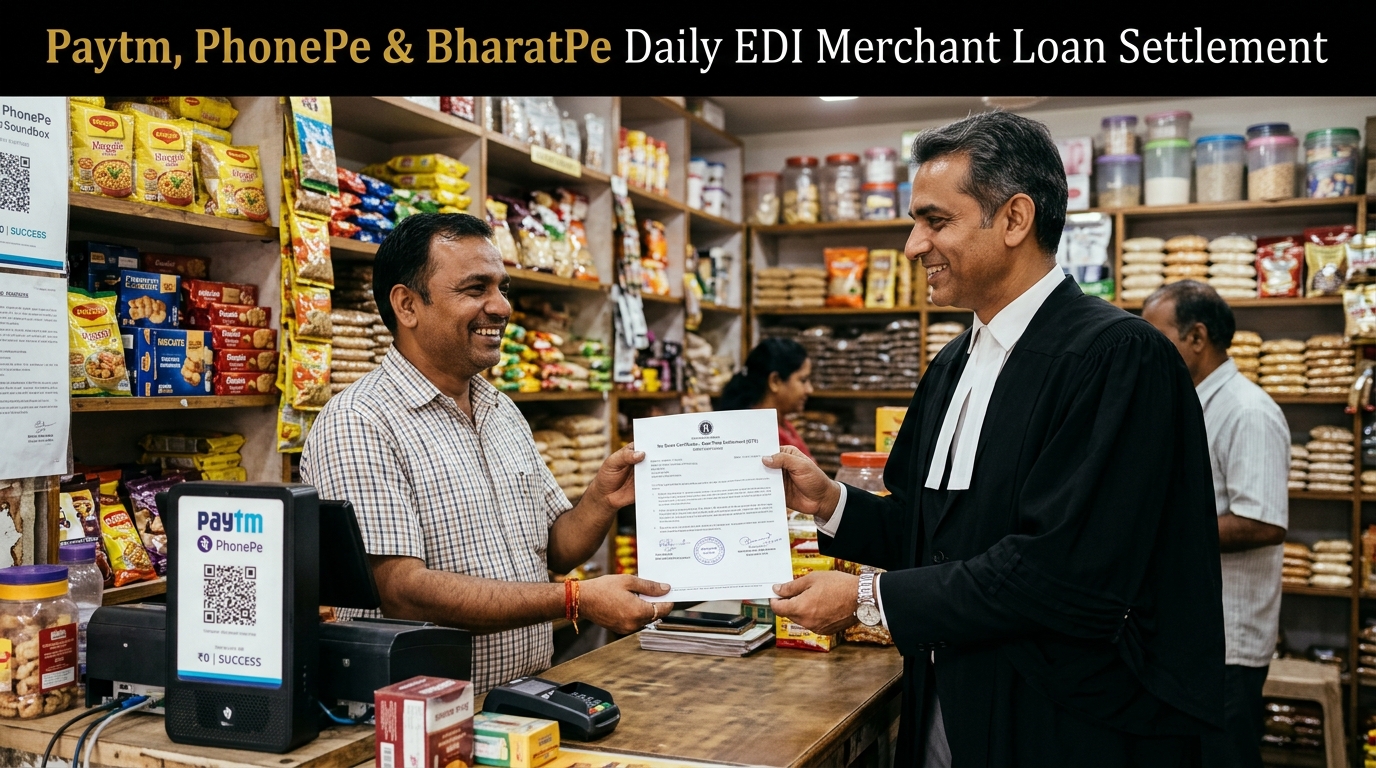
Paytm, PhonePe & BharatPe Daily EDI Merchant Loan Settlement (2026)
Drowning in Equated Daily Installment (EDI) merchant loans where 100% of your daily QR Soundbox collections are auto-swept before you can pay suppliers or rent? Learn how retail shopkeepers and MSMEs legally halt QR sweeps and negotiate a 50%+ OTS.
Read Article
Can Bank or Loan App Remotely Lock Phone for EMI Default? RBI Rules (2026)
An investigative breakdown of RBI's Remote Device Locking Directions—explaining why lenders cannot lock your phone for personal loans, the mandatory 30/60 DPD safeguards on financed devices, the Rs. 250/hour delay penalty, and how to settle device & app loans.
Read ArticleAbout Author
Anuj Anand Malik
View ProfileAnuj Anand Malik, Founder of AMA Legal Solutions, is a trusted advocate, loan settlement expert, legal advisor, and banking lawyer. With over a decade of experience in loan settlement, corporate law, financial disputes, and compliance, he leads a result-driven law firm based in India that helps individuals, startups, and businesses achieve legal and financial stability.
Connect on LinkedInNeed Legal Representation?
Evaluate your defense against recovery agents, notices, or structure your loan settlement directly with Senior Advocates.
Call +91-8700343611