Best Way to Tackle Harassment Due to Personal Loan
Effective Strategies to Address and Prevent Loan Harassment

Anuj Anand Malik
Reviewed by AMA Legal Solutions
Introduction to Handling Personal Loan Harassment
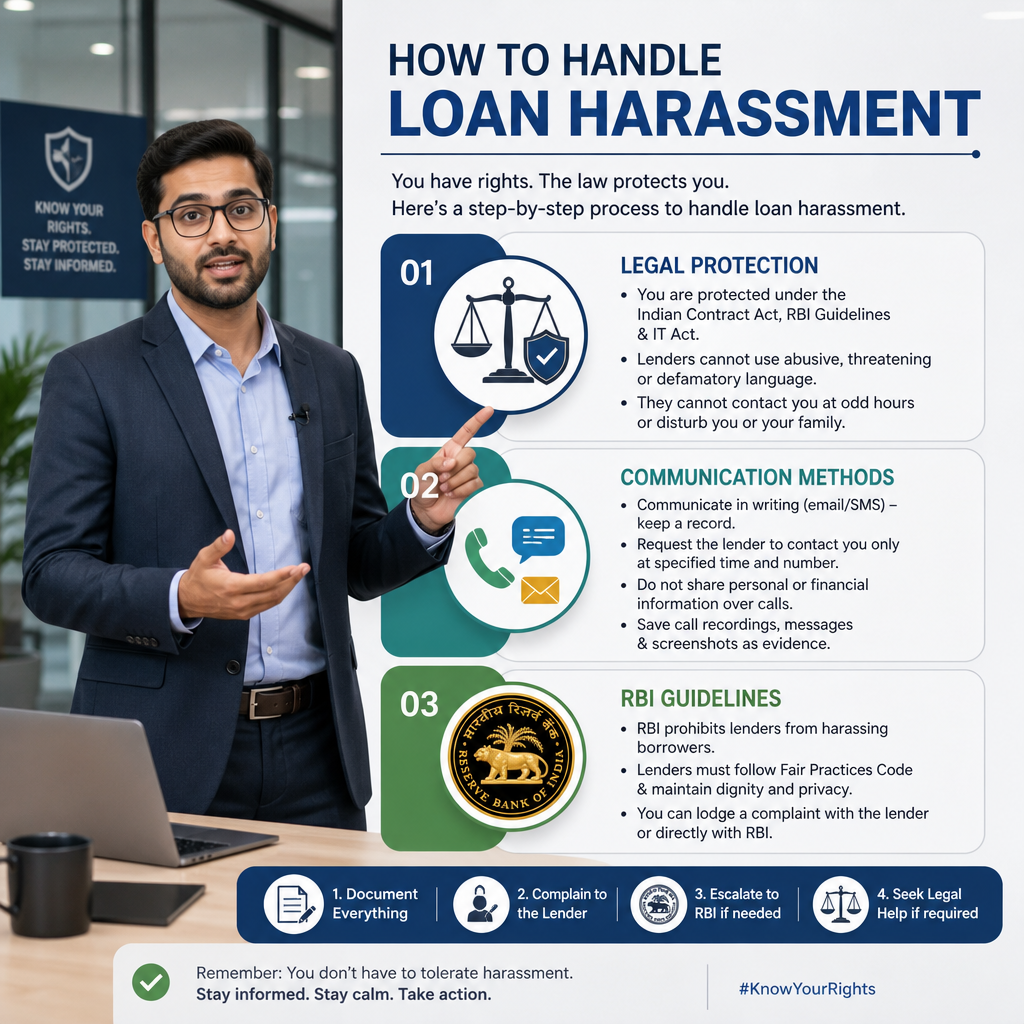
Facing harassment due to personal loan default can be a distressing experience. It is crucial to understand your rights and the legal framework governing debt recovery in India to effectively handle such situations. The Reserve Bank of India (RBI) has established guidelines that protect borrowers from aggressive and unlawful recovery practices. Familiarity with these guidelines not only empowers you to manage harassment effectively but also allows you to negotiate better terms and explore potential settlement options.
When dealing with recovery agents, communication is key. Always maintain a record of interactions, preferably through email, to ensure transparency and accountability. This approach not only safeguards your interests but also provides a clear trail of correspondence, which can be invaluable if disputes arise.
It is important to recognize that banks have a structured process for classifying loans as Non-Performing Assets (NPAs) and initiating recovery proceedings. Understanding this process can help you anticipate recovery actions and prepare accordingly.
Should harassment escalate, consider seeking legal assistance. A lawyer experienced in banking law can guide you through the complexities of debt settlement, negotiate with the bank on your behalf, and take legal action if necessary. This proactive stance can significantly alleviate the stress of dealing with loan defaults and pave the way for a more amicable resolution.
Understanding the Legal Framework for Borrowers
Borrowers in India are protected under several laws and regulations that aim to prevent harassment from lenders or recovery agents. The Reserve Bank of India (RBI) has issued guidelines which prohibit banks and financial institutions from using coercive tactics to recover personal loans. Understanding these legal protections can empower borrowers to handle harassment effectively.
Key Legal Protections
- RBI Guidelines: The RBI mandates that recovery agents should uphold borrower dignity and not resort to intimidation or harassment. Any violation can be reported to the bank's grievance redressal cell.
- Consumer Protection Act, 2019: This act provides remedies for unfair trade practices, which include harassment by recovery agents.
- Indian Penal Code, 1860: Sections dealing with criminal intimidation can be invoked if threats or force are used during recovery attempts.
Steps to Take
- Document all interactions with recovery agents, including calls and messages.
- If harassment occurs, file a complaint with the bank or financial institution.
- Consult a legal professional to understand further remedies, such as filing a police report or approaching a consumer court.
By being informed and prepared, borrowers can safeguard their rights and address harassment legally and effectively.
Identifying Harassment: What Constitutes Misconduct
Harassment due to personal loan recovery often manifests in various forms, some of which may not be immediately apparent. It's crucial to identify what constitutes misconduct to protect your rights effectively. Here are key indicators:
Excessive Calls and Messages
Receiving an overwhelming number of calls or messages from recovery agents, especially during odd hours, qualifies as harassment. The Reserve Bank of India (RBI) mandates that recovery practices be conducted between 7 AM and 7 PM.
Threats and Intimidation
Recovery agents may sometimes resort to threats of physical harm or legal action, which is illegal and constitutes harassment. They cannot seize your assets without due legal process.
Misrepresentation
Agents falsely representing themselves as police officers or legal authorities is a common tactic. Such actions are not only misleading but also against the law.
Public Humiliation
Discussing your debt situation with family members, colleagues, or neighbors without your consent is a breach of privacy rights and qualifies as harassment.
Unjust Penalties and Fees
Imposing additional, unjustified charges or penalties without proper communication or justification can amount to misconduct, potentially affecting your credit score and financial stability.
Recognizing these signs early can help you take the necessary legal steps to address the harassment effectively.
RBI Guidelines on Recovery Practices
Dealing with harassment over personal loan recovery can be daunting. Fortunately, the Reserve Bank of India (RBI) has set comprehensive guidelines to protect borrowers. These guidelines ensure that recovery agents engage in fair practices.
Communication Protocol
- Recovery agents can only contact you between 7 AM and 7 PM.
- All communication must be polite and respectful.
- Bank representatives must clearly identify themselves and the bank they represent.
Prohibited Actions
- Agents are not allowed to use threatening or abusive language.
- They cannot mislead borrowers about the consequences of non-payment.
- Visiting borrowers' residences is permissible only under certain conditions and must be done with prior notice.
Record Maintenance
- Banks must maintain records of all recovery agents they employ.
- Agents must be trained in handling recovery processes ethically.
If you experience any violations of these guidelines, it's crucial to report them to the bank and, if necessary, to the RBI. Understanding these protections can empower you to handle recovery processes confidently and legally.
Step-by-Step Guide to Addressing Harassment
Tackling harassment due to a personal loan requires a methodical approach to ensure your rights are protected. Here's a comprehensive guide:
1. Understand Your Rights
Familiarize yourself with the RBI guidelines on loan recovery. Recovery agents must adhere to legal protocols, and harassment is strictly prohibited.
2. Document Every Interaction
Keep a detailed log of all communications, including dates, times, names, and the nature of each interaction. Save call recordings, messages, and emails as evidence.
3. Request Written Communication
Politely inform recovery agents that you prefer communication through email. This provides a clear, verifiable record of all exchanges.
4. Lodge a Formal Complaint
If harassment persists, file a complaint with the bank's grievance redressal officer. Provide all documented evidence to support your case.
5. Escalate to the Banking Ombudsman
If the bank fails to address your complaint within 30 days, escalate to the Banking Ombudsman with a complete file of documented interactions.
6. Seek Legal Advice
If harassment continues, consult a legal expert specializing in banking law. They can advise on the possibility of filing a case against the offending parties.
7. Inform the Police
In cases of severe harassment, lodge a police complaint. Ensure you have all evidence ready to substantiate your claims.
By following these steps, you can effectively address harassment and assert your rights as a borrower.
Effective Communication with Recovery Agents
Handling recovery agents can be challenging, but clear communication is key. Begin by staying calm and composed during any interaction. It's crucial to understand both your rights and the agent's limitations. According to RBI guidelines, recovery agents must not resort to intimidation or harassment. If they do, you have the right to file a complaint with the bank or appropriate authorities.
Steps to Communicate Effectively:
- Request Identification: Always ask for the agent's identification details and authorization from the bank.
- Document Interactions: Keep a written record of all communications, noting dates, times, and the nature of the conversation.
- Set Boundaries: Politely inform agents of acceptable contact times and request that all discussions occur within these hours.
- Communicate in Writing: Whenever possible, request communications via email or official letters, ensuring a documented trail.
- Seek Clarification: If any demand is unclear, ask for clarifications in writing to avoid misunderstandings.
By adhering to these strategies, you can maintain control over the situation. If harassment persists, consider seeking legal advice. Remember, your aim is to resolve the issue amicably while protecting your rights as a borrower.

Halt Recovery Agent Harassment Legally
Documenting Incidents: Building Your Case
When faced with harassment due to a personal loan, meticulously documenting each incident is crucial. This process not only strengthens your case but also provides a clear timeline of events. Start by maintaining a dedicated journal where you detail every interaction with recovery agents. Note the date, time, and location of each encounter, as well as the names of agents involved.
Record Communication
Ensure all communications are in writing. Save emails and messages, and consider recording calls-after verifying the legality as per your jurisdiction. Highlight threatening or abusive language, if any, used by agents.
Collect Evidence
- Photographs and Videos: Capture any unwarranted visits or behavior that may constitute harassment.
- Witness Statements: If others are present during an incident, obtain their contact details and request a written statement.
- Call Logs: Keep a record of missed, received, and dialed calls related to the loan recovery agents.
Document Emotional Impact
Note any psychological stress or impact on your personal and professional life. If you seek counseling or medical help, retain copies of medical reports which can serve as evidence of the harassment's consequences.
Organizing and documenting these elements systematically can significantly bolster your case, whether pursuing legal action or filing a complaint with the appropriate authorities.
Legal Actions: When to Consider Taking Them
In cases of harassment due to personal loan recovery, understanding when to escalate the issue to legal action is crucial. Legal avenues should be considered when persistent harassment severely affects your mental peace or violates your rights as a borrower. As per the RBI guidelines, recovery agents must adhere to ethical practices. If these guidelines are breached, legal intervention may be necessary.
Signs You Should Consider Legal Action:
- Threats or Violence: If recovery agents threaten you physically or verbally, it's time to consider legal options.
- Repeated Calls: Continuous and harassing calls despite requests to communicate through formal channels.
- Misrepresentation: Agents misrepresenting their authority or the consequences of non-payment.
- Public Humiliation: Any attempt to shame you publicly or involve third parties without your consent.
It is advisable to document every instance of harassment meticulously. Keep records of calls, messages, and any correspondence. This will serve as evidence should you decide to file a complaint.
In such scenarios, consulting with a lawyer experienced in banking law can provide you with the right advice on how to proceed legally and protect your rights effectively. Additionally, consider reaching out to the banking ombudsman for relief.
Common Mistakes to Avoid During Negotiations
Negotiating with banks or recovery agents can be daunting, especially when under pressure. However, avoiding certain common mistakes can significantly improve the chances of a favorable settlement.
1. Not Understanding Your Finances
Before entering negotiations, borrowers must have a clear understanding of their financial situation. Without this, it's easy to agree to terms that are unsustainable, leading to future defaults. Prepare a detailed breakdown of your income, expenses, and any other debts.
2. Being Overly Aggressive or Emotional
While it's natural to feel stressed, approaching negotiations with aggression or high emotions can deteriorate the relationship with the lender. Instead, remain calm and collected. Use facts to support your case rather than emotions.
3. Lacking Documentation
Always back your claims with documentation. This includes bank statements, salary slips, and any correspondence with the lender. Proper documentation can strengthen your position during negotiations.
4. Failing to Explore All Options
Many borrowers mistakenly assume that accepting the first offer is their only option. Explore all possible solutions such as restructuring the loan, reducing interest rates, or extending the tenure before finalizing any agreement.
5. Not Involving a Legal Expert
Personal loan negotiations can be complex. Engaging a legal expert specializing in banking law can provide valuable insights and protect your rights. They can handle negotiations more effectively and prevent exploitation by recovery agents.
6. Agreeing Without Written Confirmation
Verbal agreements are risky. Ensure every negotiation point agreed upon is documented in writing. This includes settlement amounts, payment schedules, and any waivers. Written confirmations provide legal protection and clarity.
Practical Examples of Successful Resolutions
To effectively tackle harassment due to a personal loan, it's crucial to adopt a strategic approach. Here are three real-life scenarios where borrowers successfully resolved their issues:
Scenario 1: Negotiation and Settlement
A salaried professional, facing persistent calls from recovery agents, decided to take proactive steps. She communicated her job loss situation via email to the bank's grievance cell, attaching supporting documents. The bank offered a restructuring plan, reducing her monthly installments and extending the loan tenure, which she accepted, ending the harassment.
Scenario 2: Legal Notice Intervention
A small business owner received aggressive calls and home visits from recovery agents. He sought legal counsel, who immediately sent a cease-and-desist notice citing illegal harassment practices. The notice emphasized the borrower's rights under RBI guidelines. The bank promptly stopped the harassment and offered a more amicable repayment plan.
Scenario 3: Ombudsman Involvement
An MSME owner, overwhelmed by threats from loan recovery agents, filed a complaint with the banking ombudsman. After reviewing the case, the ombudsman instructed the bank to offer a reasonable settlement without further harassment. The bank complied, agreeing to a one-time settlement amount, allowing the borrower to clear the debt peacefully.
Lawyer's Tips for Protecting Your Rights
Dealing with harassment due to a personal loan can be daunting. Here are some key strategies to protect your rights:
1. Know Your Rights
Understand that you have the right to privacy and can demand respectful communication from recovery agents. Familiarize yourself with the RBI guidelines and legal protections offered under Indian law.
2. Document Everything
Keep a detailed record of all interactions with recovery agents, including call logs, messages, and emails. This documentation can be crucial if you need to take legal action.
3. Communicate in Writing
When possible, insist on communicating with the lender via email or written correspondence. This ensures a tangible record of all discussions and agreements.
4. Seek Legal Advice
If harassment persists, consult with a banking lawyer to understand your options. A lawyer can provide advice tailored to your situation and may intervene on your behalf.
5. File a Complaint
Consider filing a formal complaint with the lender’s grievance redressal cell or escalate to the Banking Ombudsman if necessary. This formal process can help address improper conduct.
6. Do Not Succumb to Pressure
Never agree to unfavorable terms or payments under pressure. Stand your ground and negotiate terms that are fair and manageable for your financial situation.
Resources and Support Systems for Borrowers
Facing harassment due to personal loans can be overwhelming, but various resources and support systems are available to help Indian borrowers manage the situation effectively. Understanding your rights and accessing the right resources can make a significant difference.
Legal Aid and Counseling
Borrowers can reach out to legal aid services provided by the district legal services authorities for free legal advice and representation. Alternatively, consulting a banking lawyer experienced in debt settlement can provide practical guidance and protection against unlawful harassment.
RBI Helpline
The Reserve Bank of India (RBI) offers a dedicated helpline to report grievances about unethical recovery practices. Borrowers can contact the RBI’s Consumer Education and Protection Department to lodge complaints and seek resolution.
Consumer Courts
If harassment persists, borrowers can file a complaint with the consumer court. These forums are designed to address consumer grievances efficiently, providing legal recourse against unfair recovery practices.
Borrower Support Groups
Joining support groups, either online or in local communities, can be beneficial. Such groups offer a platform to share experiences, gain emotional support, and exchange practical tips on handling loan-related stress.
Bank Ombudsman
In cases where direct communication with the bank fails, borrowers can approach the Banking Ombudsman, an RBI-appointed authority to address grievances related to banking services, including harassment.
Need Strategic Legal Defense for Your Situation?
Our banking & litigation advocates review your notices, debt liability, and recovery issues under complete advocate-client secrecy.
AMA Legal Solutions
Trusted with a 4.7 Google Rating, over 10,000+ Clients Served, 25,000+ Cases Handled, and more than 40+ Years of Experience in providing strategic legal defense and debt resolution across India.
Our media coverages





Client Reviews
"AMA Legal Solutions’ guidance was invaluable in navigating the complexities of my loan default situation. Their proactive approach alleviated a lot of my stress."
Vikram Sinha
"Great experience with AMA Legal Solutions. The team was responsive and provided clear, practical advice that helped me tackle the harassment from recovery agents."
Karthik Rao
"AMA Legal Solutions provided exceptional support during my loan harassment case. Their expertise in banking law was evident, and they resolved the matter efficiently."
Rohan Mehta
"I was impressed by AMA Legal Solutions' dedication and thorough understanding of debt settlement processes. They effectively negotiated with my bank, ensuring a favorable outcome."
Anjali Deshpande
"The team at AMA Legal Solutions was incredibly professional and knowledgeable. They helped me understand my rights and took quick legal action against the harassment I faced."
Priya Nair
Frequently Asked Questions
Related Articles
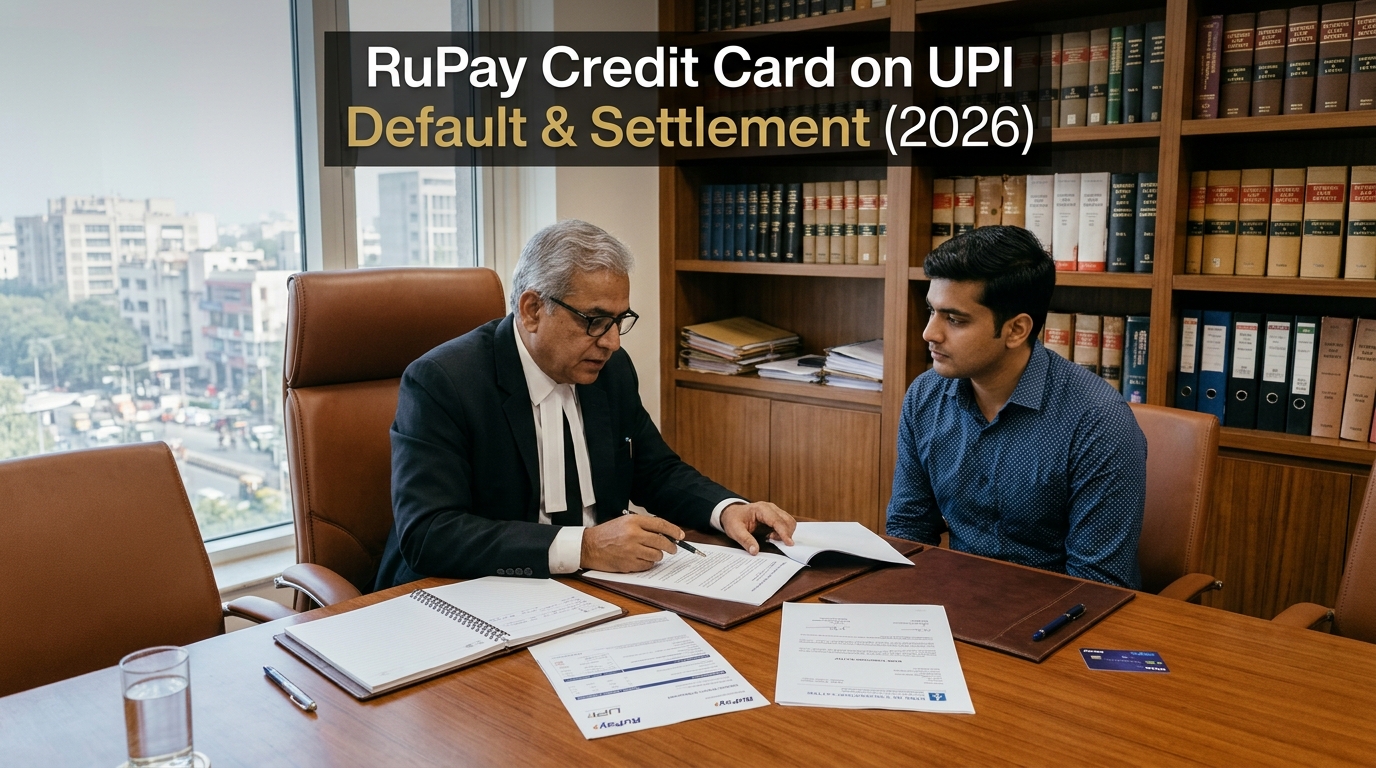
RuPay Credit Card on UPI Default & Credit Line on UPI Settlement (2026)
Micro-transactions on RuPay UPI Credit Cards and pre-approved 'Credit Lines on UPI' have triggered a massive wave of 42%+ APR revolving debt traps. Find out if defaulting blocks your personal savings UPI and how to settle RuPay UPI credit dues for 30%–50%.
Read Article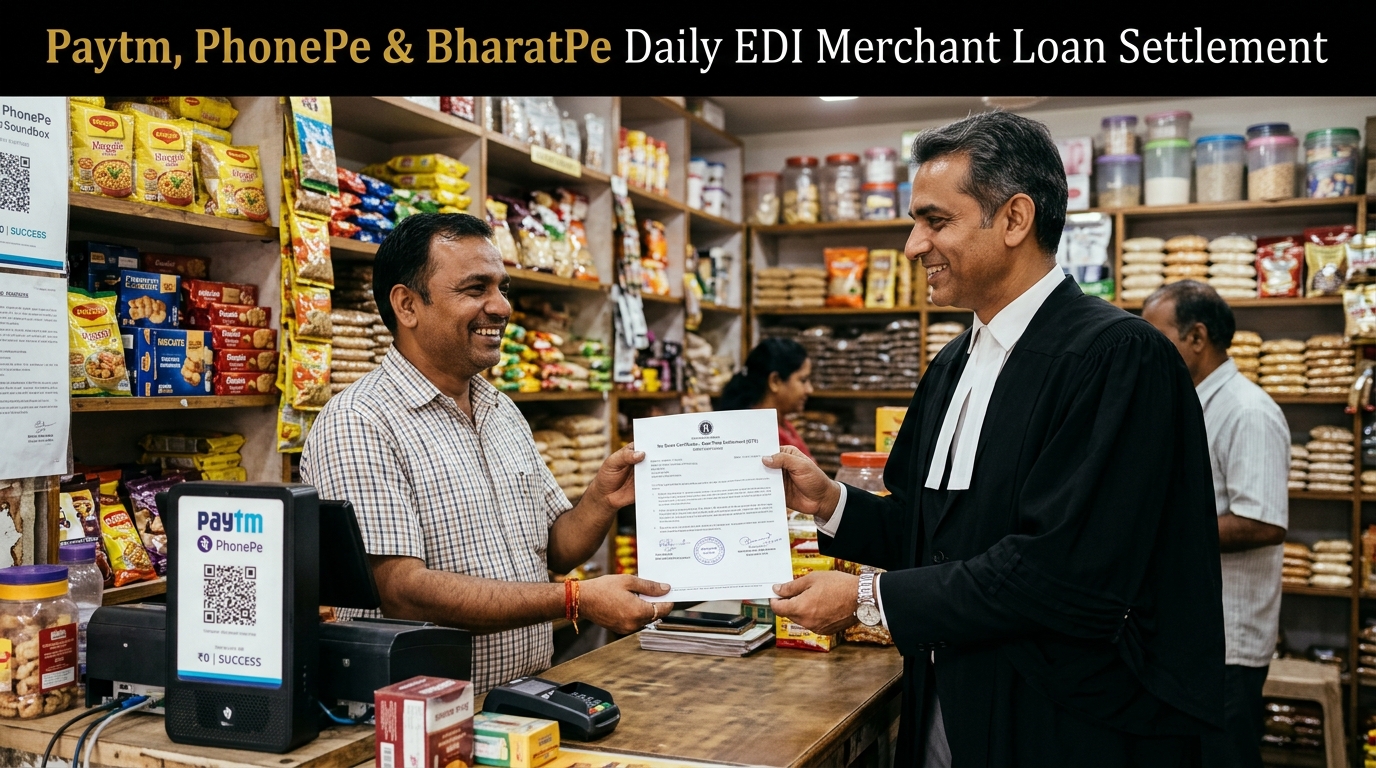
Paytm, PhonePe & BharatPe Daily EDI Merchant Loan Settlement (2026)
Drowning in Equated Daily Installment (EDI) merchant loans where 100% of your daily QR Soundbox collections are auto-swept before you can pay suppliers or rent? Learn how retail shopkeepers and MSMEs legally halt QR sweeps and negotiate a 50%+ OTS.
Read Article
Can Bank or Loan App Remotely Lock Phone for EMI Default? RBI Rules (2026)
An investigative breakdown of RBI's Remote Device Locking Directions—explaining why lenders cannot lock your phone for personal loans, the mandatory 30/60 DPD safeguards on financed devices, the Rs. 250/hour delay penalty, and how to settle device & app loans.
Read ArticleAbout Author
Anuj Anand Malik
View ProfileAnuj Anand Malik, Founder of AMA Legal Solutions, is a trusted advocate, loan settlement expert, legal advisor, and banking lawyer. With over a decade of experience in loan settlement, corporate law, financial disputes, and compliance, he leads a result-driven law firm based in India that helps individuals, startups, and businesses achieve legal and financial stability.
Connect on LinkedInNeed Legal Representation?
Evaluate your defense against recovery agents, notices, or structure your loan settlement directly with Senior Advocates.
Call +91-8700343611