Unveiling RBI's New Loan Recovery Guidelines July 2026
A Deep Dive into RBI's Updated Regulations and Their Impact

Anuj Anand Malik
Reviewed by AMA Legal Solutions
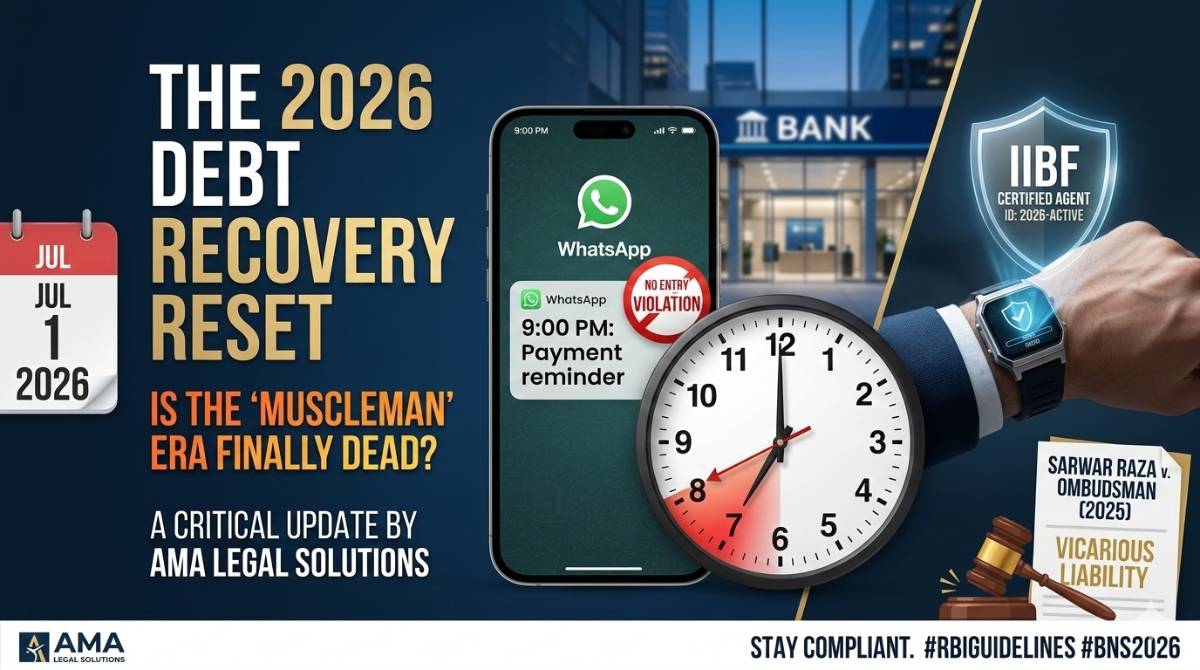
The landscape of Indian banking is undergoing a seismic shift with the implementation of the RBI New Loan Recovery Guidelines July 2026. For years, borrowers have grappled with the heavy-handed tactics of recovery agents, often feeling powerless against large financial institutions. These updated regulations, reinforced by the RBI Responsible Business Conduct Amendment 2026, are designed to restore dignity to the borrower-lender relationship, ensuring that financial recovery never comes at the cost of fundamental human rights.
Understanding these changes is not just about legal compliance; it is about financial survival. As the central bank tightens its grip on Non-Banking Financial Companies (NBFCs) and Scheduled Commercial Banks, borrowers now have a robust framework to protect themselves from harassment. This guide provides a deep dive into the 2026 amendments, offering actionable legal strategies and a clear roadmap for those navigating debt distress.
The Evolution of Borrower Protection: RBI New Loan Recovery Guidelines July 2026
The RBI New Loan Recovery Guidelines July 2026 represent a culmination of years of judicial observation and consumer feedback. The primary objective is to eliminate the "wild west" atmosphere of third-party recovery agencies. Under the new mandate, the accountability for any misconduct by a recovery agent rests solely and squarely on the regulated entity (the bank or NBFC).
Key Pillars of the July 2026 Guidelines
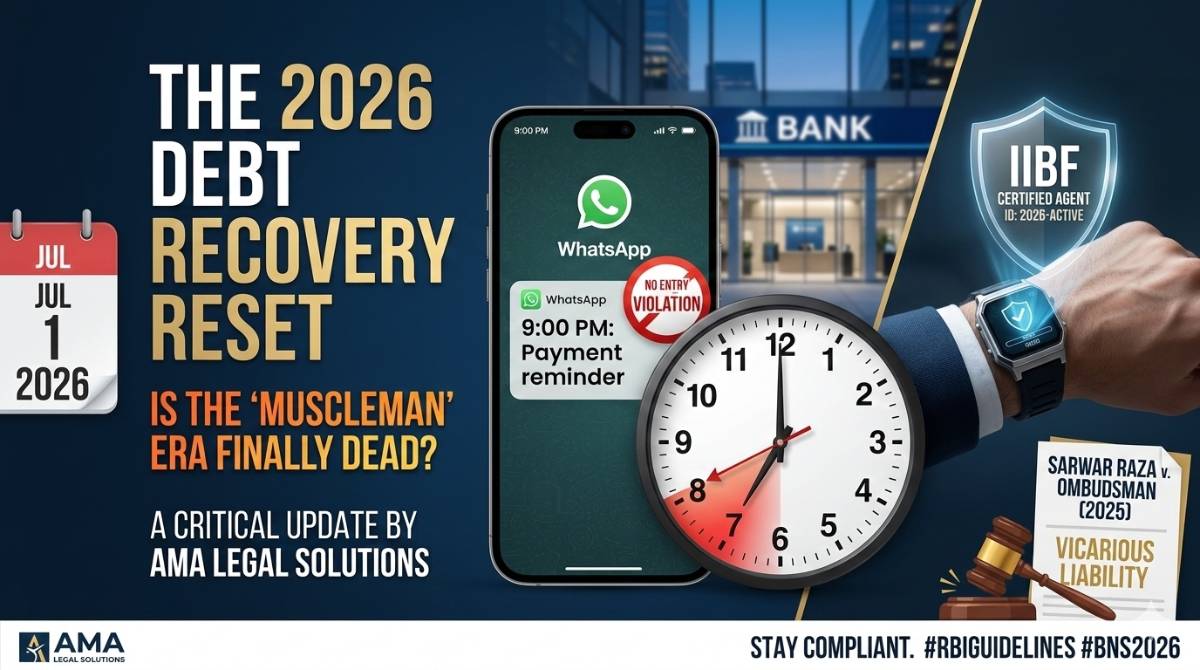
Strict Timelines for Communication: Agents are strictly prohibited from contacting borrowers before 8:00 AM and after 7:00 PM.
Digital Audit Trails: Every call, message, or physical visit must be logged in a real-time portal accessible to the RBI for auditing.
Mandatory Identity Disclosure: Recovery agents must provide a bank-authorized digital ID and a copy of the fair practices code before initiating any conversation.
Privacy Protection: Contacting a borrower's friends, family, or colleagues is now a "Zero Tolerance" violation, potentially leading to the immediate suspension of the bank's recovery license for that portfolio.
RBI Responsible Business Conduct Amendment 2026: What Has Changed?
The RBI Responsible Business Conduct Amendment 2026 introduces a "Social Credit" aspect to institutional lending. Banks are no longer judged solely on their Balance Sheets but on their "Conduct Score."
1. Transparency in Interest and Penalties
The amendment mandates that all "hidden charges" be consolidated into a single "Annual Percentage Rate" (APR). If a bank fails to disclose a fee at the time of drafting the loan agreement, that fee becomes legally uncollectible under the 2026 rules.
2. The Right to Mediation
Before initiating litigation or invoking the SARFAESI Act, lenders must now offer a mandatory 30-day mediation window. This is a crucial opportunity for borrowers to discuss a loan settlement without the pressure of an impending court date.
3. Protection Against Data Privacy Breaches
In the age of digital lending apps, the 2026 amendment strictly forbids accessing a borrower's contacts or gallery. Any breach is now classified as a cyber crime, punishable under both RBI guidelines and the Information Technology Act.
Comparative Table: Old vs. New Recovery Framework
Feature | Pre-2026 Guidelines | July 2026 Guidelines |
Calling Hours | 7:00 AM - 7:00 PM (often ignored) | 8:00 AM - 7:00 PM (strictly enforced) |
Agent Liability | Indirectly on the agent | Directly on the Bank's Board |
Third-Party Contact | Common practice | Strictly Prohibited; Legal Offense |
Settlement Process | Discretionary by bank | Mandatory Mediation Phase |
Harassment Redressal | Internal Grievance (slow) | Real-time Digital Complaint to RBI |
Step-by-Step Guide: How to Handle Recovery Agent Harassment
If you find yourself being harassed despite the RBI New Loan Recovery Guidelines July 2026, follow these steps to protect your legal interests:
Step 1: Record and Document
The RBI Responsible Business Conduct Amendment 2026 gives high evidentiary value to digital recordings. Always record calls and save WhatsApp messages. Note the time, date, and the specific phone number used.
Step 2: Verify the Agent
Ask for their Employee ID and the "Letter of Authority" from the bank. Under the new guidelines, if they cannot provide this digitally or physically, you have the legal right to terminate the conversation immediately.
Step 3: Formal Internal Complaint
Send a formal email to the bank’s Nodal Officer. Mention that their actions violate the RBI New Loan Recovery Guidelines July 2026. This creates a paper trail essential for civil litigation or arbitration if the matter escalates.
Step 4: Escalate to the Banking Ombudsman
If the bank does not resolve the issue within 21 days, escalate the matter to the RBI Ombudsman. The 2026 framework has introduced an "Express Redressal" track for harassment cases involving senior citizens or women.
Legal Remedies and the Role of Professional Counsel
Navigating financial distress often involves overlapping legal domains. For instance, if a recovery dispute involves property, real estate laws must be considered. If an agent resorts to physical threats, it shifts into the realm of criminal law.
Furthermore, for business owners, debt recovery might affect their corporate standing or even their intellectual property rights if assets are pledged. In high-stakes cases, especially in sectors like entertainment where income is sporadic, professional legal strategy is the difference between bankruptcy and a successful turnaround.
Why Professional Intervention Matters
Negotiation Power: Lawyers can negotiate loan settlements that individuals often cannot.
Procedural Accuracy: Ensuring the bank follows the banking and finance regulations to the letter.
Cease and Desist: A formal legal notice often stops harassment instantly.
Quick Answers for google
What are the RBI calling hours for recovery agents in 2026?
According to the RBI New Loan Recovery Guidelines July 2026, recovery agents can only contact borrowers between 8:00 AM and 7:00 PM. Calling outside these hours is a violation of the RBI Responsible Business Conduct Amendment 2026.
Can a recovery agent contact my family members?
No. The latest RBI guidelines strictly prohibit agents from contacting family, friends, or colleagues. This is considered a breach of privacy and can lead to heavy penalties for the lending bank.
What should I do if a recovery agent threatens me?
Immediately record the threat, identify the agent’s bank, and file a complaint with the bank’s Nodal Officer. If no action is taken, you can pursue criminal law remedies and report the incident to the RBI Ombudsman.
Securing Your Financial Future
The RBI New Loan Recovery Guidelines July 2026 are a powerful shield for the Indian consumer. By shifting the burden of "Responsible Business Conduct" onto the lenders, the RBI has ensured that the path to debt recovery is paved with ethical standards and legal transparency. However, these rights are only effective if exercised. Staying informed about the RBI Responsible Business Conduct Amendment 2026 is your first step toward financial freedom.
If you are facing undue pressure from banks or find yourself trapped in an unfair recovery cycle, you do not have to face it alone. At AMA Legal Solutions, we specialize in bridging the gap between complex regulations and practical relief. From loan settlement negotiations to defending against harassment, our team provides the authoritative guidance you need to reclaim your peace of mind.
Contact AMA Legal Solutions today for a confidential consultation and let our experts safeguard your rights under the newest RBI mandates.
Official RBI circular:- 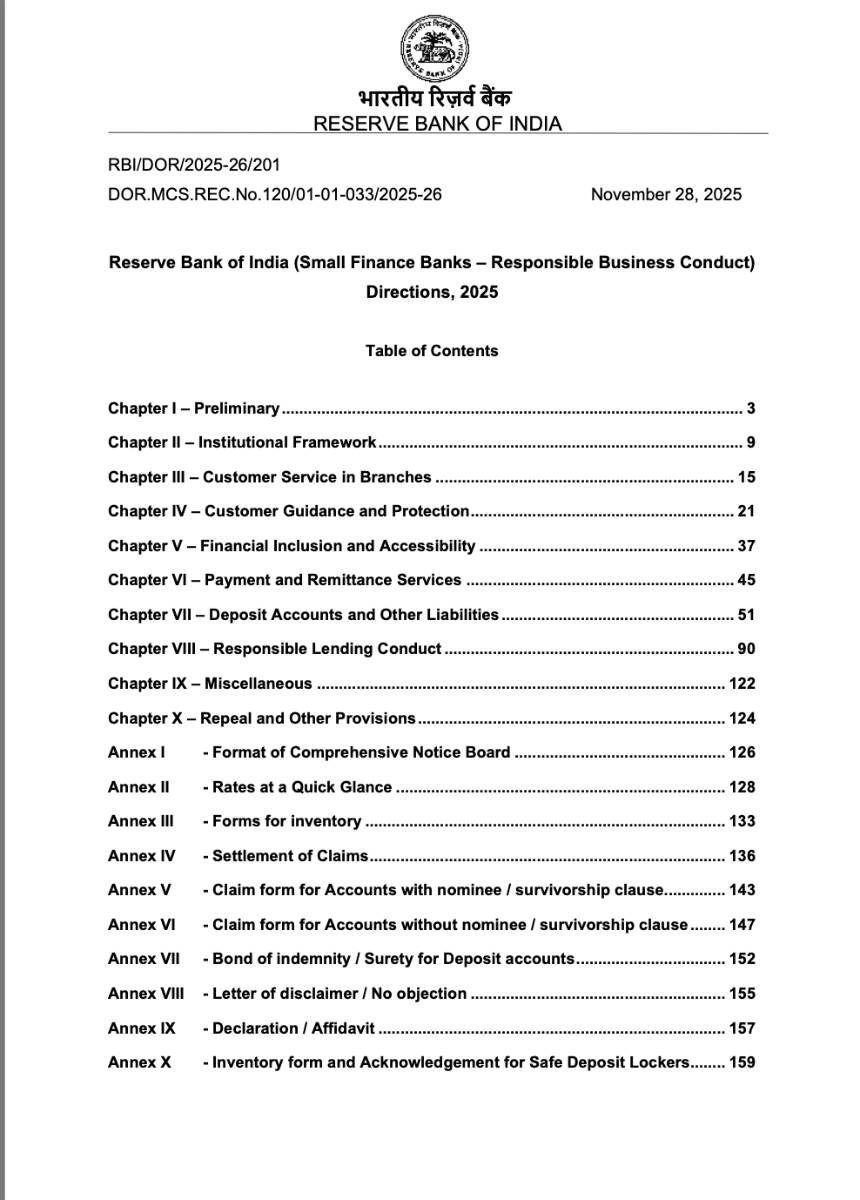

AMA Legal Solutions
Trusted with a 4.7 Google Rating, over 10,000+ Clients Served, 25,000+ Cases Handled, and more than 40+ Years of Experience in providing strategic legal defense and debt resolution across India.
Our media coverages





Client Reviews
"Their focus on borrower rights and ethical recovery is commendable and perfectly aligns with RBI’s new guidelines."
Vikram Patel
"AMA Legal Solutions’ support in cybersecurity has fortified our digital infrastructure against breaches during recovery operations."
Riya Kapoor
"AMA Legal Solutions provided excellent insights that helped align our processes with the latest RBI guidelines."
Neha Sharma
"The legal team at AMA was thorough in explaining the new compliance requirements, ensuring we stay ahead in our practices."
Anjali Mehta
"Their expertise in loan settlement and arbitration has been invaluable for our financial institution."
Rajesh Gupta
Frequently Asked Questions
Related Articles

How to Trust Law Associates for Loan Settlement
Ensure Successful Loan Settlement with Trusted Legal Experts
Read Article
Expert Loan Settlement Lawyer: Minimize Amount, Maximize Waiver
Unlocking the Secrets to Successful Loan Settlements in India
Read Article
Mastering Loan Settlement of Personal Loan by Bajaj Finance
Navigate Bajaj Finance Loan Settlements with Expert Legal Insights
Read ArticleAbout Author
Anuj Anand Malik
View ProfileAnuj Anand Malik, Founder of AMA Legal Solutions, is a trusted advocate, loan settlement expert, legal advisor, and banking lawyer. With over a decade of experience in loan settlement, corporate law, financial disputes, and compliance, he leads a result-driven law firm based in India that helps individuals, startups, and businesses achieve legal and financial stability.
Connect on LinkedInNeed Legal Help?
Get expert advice on loan settlement and debt relief.
Call +91-8700343611Request Callback