Loan Settlement: A Perspective from a Banking Lawyer
Explore insights into loan settlements with expert legal guidance

Anuj Anand Malik
Reviewed by AMA Legal Solutions
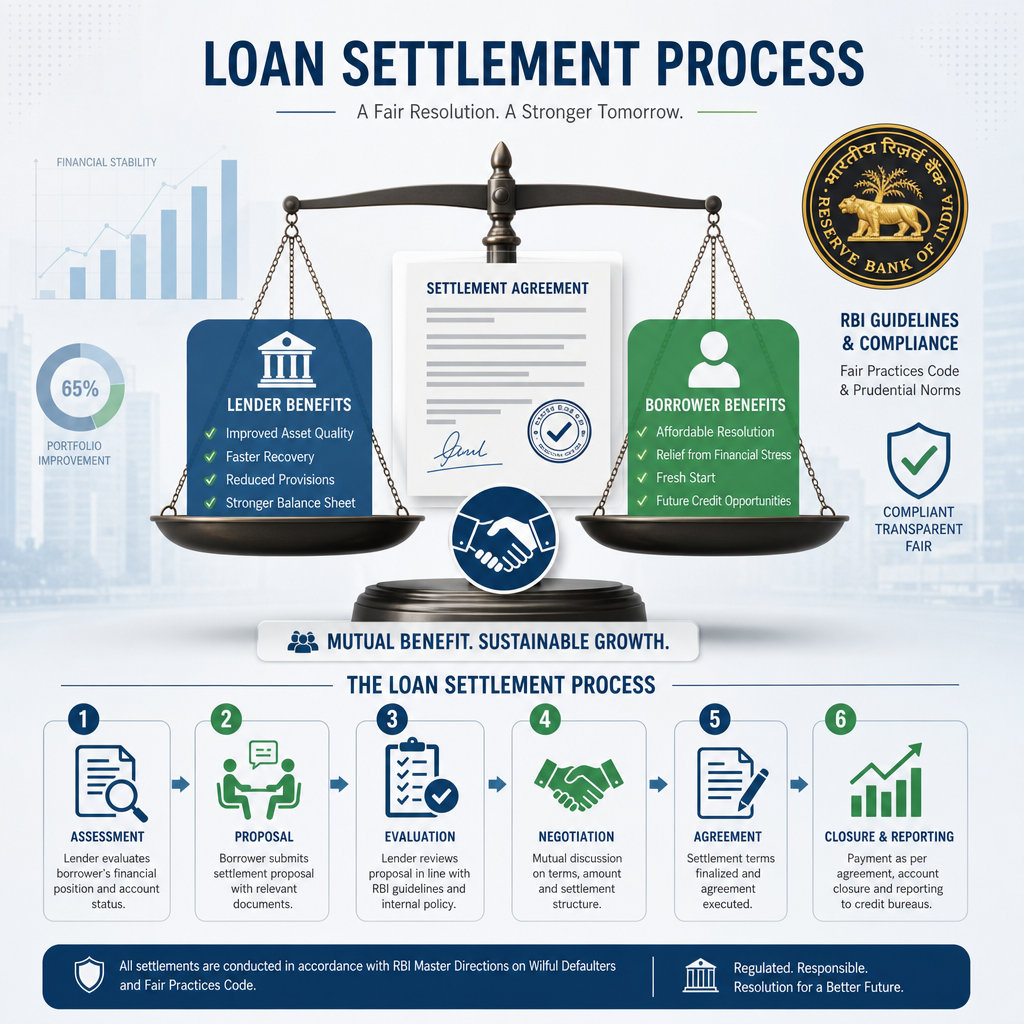
Introduction to Loan Settlement: A Banking Lawyer's View
Loan settlement is a crucial aspect of banking and finance, particularly in today's economic environment where individuals and businesses often face financial constraints. From a banking lawyer's perspective, loan settlement involves negotiating terms that are mutually beneficial for both the lender and the borrower. This process requires a deep understanding of financial regulations, the borrower's financial situation, and the impact of such settlements on the lender's financial health.
A banking lawyer plays a pivotal role in facilitating loan settlements, ensuring compliance with regulations set forth by the Reserve Bank of India (RBI) and other governing bodies. The lawyer's expertise in banking and finance law is essential in structuring settlements that adhere to legal standards while protecting the interests of all parties. This involves meticulous analysis of the borrower's repayment capacity and the lender's need to minimize risk exposure.
In the Indian context, loan settlements can be particularly challenging due to fluctuating market conditions and the diverse needs of borrowers. A banking lawyer must navigate these complexities, balancing the interests of their client with the broader economic implications. Legal professionals at AMA Legal Solutions are well-versed in these dynamics, offering tailored solutions that address the unique challenges faced by lenders and borrowers alike.
Furthermore, the role of a banking lawyer extends beyond mere negotiation. It includes drafting formal agreements that clearly outline the terms of the settlement and any future obligations. This requires a comprehensive understanding of contract drafting and litigation strategies to safeguard against potential breaches. Lawyers may also advise on alternative dispute resolution methods, such as arbitration, to resolve conflicts efficiently without resorting to lengthy court battles.
Ultimately, loan settlement from a banking lawyer's perspective is about achieving a balanced resolution that maintains the financial stability of both parties. It involves leveraging legal expertise, strategic foresight, and a thorough grasp of economic principles to ensure favorable outcomes. As the landscape of banking and finance continues to evolve, the insights and skills of a banking lawyer remain indispensable in navigating the complexities of loan settlements.
Understanding the Legal Framework for Loan Settlements
The legal framework for loan settlements in India is deeply entrenched in a variety of laws and regulatory provisions that aim to balance the interests of both lenders and borrowers. A comprehensive understanding of these legal instruments is paramount for banking lawyers who navigate the complex waters of loan settlements. This framework is shaped by both statutory laws and regulatory guidelines, primarily orchestrated by the Reserve Bank of India (RBI).
One of the cornerstone statutes in this domain is the Securitisation and Reconstruction of Financial Assets and Enforcement of Security Interest (SARFAESI) Act, 2002. This Act provides financial institutions the empowerment to recover their non-performing assets without the intervention of courts. By allowing banks to auction residential or commercial properties, the SARFAESI Act facilitates efficient settlement processes. Banking lawyers need to be proficient in understanding the nuances of this Act to effectively handle loan default scenarios.
Beyond the SARFAESI Act, another key element in the legal framework is the Insolvency and Bankruptcy Code (IBC), 2016. The IBC has brought a transformative approach to the resolution of insolvency and bankruptcy cases, providing a time-bound process for maximization of asset value. It plays a crucial role in restructuring loans and ensuring fair settlements. Lawyers specializing in banking and finance at AMA Legal Solutions are adept at leveraging these legal frameworks to facilitate favorable outcomes for their clients.
In addition to these legislative measures, the RBI’s guidelines also serve as a pivotal aspect of the loan settlement legal framework. The RBI issues directives on asset classification, provisioning, and recovery measures that banks must adhere to. These guidelines directly impact how loan settlements are structured and executed. Legal professionals must stay abreast of any revisions to these guidelines to provide accurate counsel to their clients involved in loan settlements.
The legal framework is further complemented by the legal provisions concerning contract drafting and enforcement. Banking lawyers are often engaged in drafting settlement agreements that are legally sound and reflective of the parties’ intentions. Moreover, given the potential for disputes, understanding the frameworks for arbitration and litigation is equally essential. These mechanisms ensure that any disagreements that arise during the settlement process are managed effectively and within the legal bounds.
Finally, the role of a banking lawyer extends to staying informed about emerging trends in cybersecurity and digital contracts, as technology increasingly permeates financial transactions. With a robust understanding of such a comprehensive legal framework, banking lawyers are well-equipped to navigate the intricacies of loan settlements, safeguarding the interests of all parties involved.
Key Players in Loan Settlement Processes
In the intricate domain of loan settlement, multiple stakeholders play pivotal roles, each contributing their expertise and authority to ensure a smooth resolution process. Understanding these key players is essential for anyone involved in loan settlements, particularly from a banking lawyer's perspective.
Firstly, the borrower is at the heart of the loan settlement process. Typically, they are individuals or corporate entities who have availed of a loan and are now facing challenges in meeting their repayment obligations. The borrower initiates the settlement discussions, aiming to negotiate terms that can alleviate their financial burden. It is crucial for them to present a clear picture of their financial situation and the genuine reasons behind their inability to repay the loan. Professional guidance from experts in loan settlement can significantly aid borrowers in presenting their case effectively.
The lending institution, usually a bank or a Non-Banking Financial Company (NBFC), is the entity that originally extended the credit. The institution’s primary objective is to recover as much of the outstanding loan amount as possible. Financial institutions have predefined policies and a structured approach toward settlements. They assess the borrower’s proposal carefully, considering factors like the borrower’s repayment history, current financial status, and future earning potential. Banking lawyers, well-versed in banking and finance laws, often represent these institutions to ensure compliance with legal standards and to safeguard financial interests.
Another critical player is the regulatory body like the Reserve Bank of India (RBI), which ensures that the settlement processes adhere to the established financial regulations and guidelines. While not directly involved in individual settlements, the RBI’s regulations guide how banks and NBFCs conduct settlements. These guidelines are designed to protect both the lender’s and the borrower’s interests. Adherence to such regulations is crucial, underscoring the importance of legal expertise in the compliance and regulatory domain.
Banking lawyers are indispensable in the loan settlement process, acting as mediators between the borrower and the lender. They ensure that the settlement terms are legally sound and equitable. Lawyers specializing in settlement and arbitration can facilitate a mutually agreeable solution, reducing the likelihood of disputes and litigations. Their deep understanding of litigation and negotiation skills are vital in reaching a fair settlement.
Lastly, credit counselors and financial advisors often assist borrowers in preparing for negotiations. They provide insights into crafting viable settlement proposals and financial planning to prevent future defaults. Their expertise complements the legal advice provided by banking lawyers, creating a well-rounded approach to resolving loan liabilities.
The involvement of these key players ensures a comprehensive and balanced approach to loan settlements. By leveraging the services provided by AMA Legal Solutions in banking and finance, borrowers and lenders alike can navigate the complexities of loan settlements effectively.
The Role of Banking Lawyers in Loan Settlements
In the intricate world of financial transactions, banking lawyers play a pivotal role in facilitating loan settlements, ensuring compliance with regulations, and safeguarding client interests. At its core, loan settlement involves the resolution of outstanding loan obligations, which can be complex due to varied factors such as payment defaults, restructuring, or negotiations between lenders and borrowers. Banking lawyers, with their profound understanding of financial laws and regulations, become indispensable allies for both banks and borrowers navigating these waters.
Firstly, banking lawyers provide critical legal advice during the initial stages of loan settlement. Their expertise helps in analyzing the loan agreement, identifying any breach of contract, and outlining viable legal strategies to achieve an amicable settlement. This is particularly important in the Indian context, where regulatory bodies like the Reserve Bank of India (RBI) set specific guidelines that must be adhered to during financial settlements. Lawyers ensure that both parties comply with these regulations, minimizing the risk of legal repercussions.
Moreover, banking lawyers are adept at negotiating terms that are favorable to their clients. Whether representing a financial institution or an individual borrower, they bring to the table their negotiation skills to achieve a fair resolution. They might negotiate for reduced interest rates, extended repayment periods, or even a waiver of certain charges. The goal is to reach a settlement that is acceptable to all parties involved, thereby avoiding lengthy and costly litigation processes. For more insights into how these negotiations are handled, you can visit our loan settlement services.
In addition to negotiation, banking lawyers also play a significant role in drafting and reviewing settlement agreements. These documents must be meticulously crafted to protect the interests of the client, clearly outlining the terms and conditions agreed upon by both parties. The precision in these documents is crucial, as any ambiguity can lead to future disputes. To ensure that settlement agreements are robust and enforceable, lawyers often draw upon their expertise in drafting and litigation.
Finally, banking lawyers also provide representation in arbitration or litigation if disputes arise during the settlement process. Although the primary aim is to settle out of court, sometimes legal proceedings become inevitable. In such scenarios, the representation by experienced lawyers is vital in presenting a strong case. The expertise offered by AMA Legal Solutions in arbitration and litigation ensures that clients receive the best possible outcome.
Common Challenges in Loan Settlements
Loan settlements can often present a range of challenges that require strategic handling, particularly from the perspective of a banking lawyer. The complexities inherent in these processes are a result of several factors, including legal, financial, and interpersonal dynamics between lenders and borrowers. Understanding these challenges can help in devising effective strategies for resolution.
One of the most significant challenges in loan settlements is the alignment of interests between the lending institution and the borrower. The lender, typically aiming to recover the maximum possible amount of the outstanding debt, may have differing objectives from the borrower, who is focused on minimizing their obligations. This misalignment can lead to protracted negotiations and an increased likelihood of disputes. Engaging experienced professionals from AMA Legal Solutions' Banking and Finance services can provide the necessary expertise to navigate these negotiations effectively.
Another challenge is the legal complexity surrounding the documentation and terms of the loan. Many borrowers are not fully aware of the implications of certain clauses within their loan agreements, which can lead to misunderstandings and disputes. A thorough review by a banking lawyer can identify potential issues early on, allowing for proactive measures to avoid litigation. For those seeking comprehensive reviews and legal support, document drafting services from AMA Legal Solutions can offer invaluable assistance.
Additionally, the fluctuating economic environment poses a challenge in loan settlements. Economic downturns can impact a borrower's ability to meet loan obligations, leading to increased default rates. In such scenarios, the lender must weigh the options of restructuring the loan against pursuing recovery through legal means. This is where corporate restructuring advice can play a crucial role in achieving a balanced approach for all parties involved.
Finally, regulatory challenges, such as those imposed by the Reserve Bank of India (RBI), can complicate loan settlements. Compliance with these regulations is vital to avoid legal repercussions and potential penalties. A banking lawyer well-versed in regulatory frameworks can offer guidance to ensure adherence to these requirements. For comprehensive litigation support in case of complex settlements, litigation services from AMA Legal Solutions can provide robust representation.
In conclusion, while loan settlements are fraught with challenges, they can be effectively managed with the right legal and financial strategies. By partnering with seasoned professionals like those at AMA Legal Solutions, borrowers and lenders alike can navigate these challenges and work towards mutually beneficial outcomes.
Strategies for Effective Loan Settlements
Loan settlement is a crucial process for both lenders and borrowers, especially in the dynamic financial environment of India. Effective loan settlement strategies can significantly alleviate financial distress and pave the way for amicable resolutions. Banking lawyers play a pivotal role in guiding this process, ensuring compliance with regulations and optimizing outcomes. Here, we delve into some effective strategies from a banking lawyer's perspective.
One of the foremost strategies in loan settlement is understanding the borrower's financial position comprehensively. This involves an in-depth analysis of the borrower's income sources, expenditure, and overall debt obligations. A banking lawyer can facilitate this by conducting thorough financial audits and assessments. By understanding the financial landscape, lenders can tailor settlement agreements that are realistic and sustainable. For more expert advice on financial settlements and banking matters, consider the Banking and Finance services from AMA Legal Solutions.
Negotiation is another key strategy in loan settlements. Successful negotiation hinges on effective communication and a clear understanding of both parties' needs and limitations. Banking lawyers often employ negotiation tactics that focus on building trust and exploring mutually beneficial solutions. This may involve restructuring the loan terms, such as adjusting the interest rate or extending the repayment period, to make the loan more manageable for the borrower. More personalized negotiation strategies can be explored through Loan Settlement services offered by AMA Legal Solutions.
Engaging in alternative dispute resolution (ADR) mechanisms, such as arbitration, can also be an effective strategy for loan settlements. ADR provides a less adversarial and more cost-effective solution compared to traditional litigation. It allows for flexibility and confidentiality, which can be particularly beneficial in sensitive financial negotiations. Banking lawyers can play a vital role in facilitating ADR processes, ensuring that settlements are reached efficiently. For expert assistance in ADR, AMA Legal Solutions provides comprehensive Arbitration services.
Finally, maintaining compliance with regulatory frameworks is essential for effective loan settlements. Banking lawyers ensure that all settlement agreements adhere to the Reserve Bank of India (RBI) guidelines and other statutory requirements. This helps in preventing future legal complications and safeguarding the interests of both parties involved. It is advisable to seek professional legal advice to navigate these regulations successfully, which is a forte of the Corporate services at AMA Legal Solutions.
In conclusion, effective loan settlements require a multi-faceted approach that combines financial analysis, strategic negotiation, alternative dispute resolution, and regulatory compliance. With the guidance of experienced banking lawyers, both borrowers and lenders can achieve equitable solutions that foster financial stability. To explore a wide range of legal solutions tailored to meet complex financial challenges, visit AMA Legal Solutions.

Halt Recovery Agent Harassment Legally
Legal Considerations in Loan Settlement Agreements
Loan settlement agreements are crucial documents that outline the terms and conditions under which a borrower and a lender agree to settle an outstanding loan. From a banking lawyer's perspective, understanding the legal implications of these agreements is paramount to ensuring compliance and protecting the interests of the involved parties. In India, loan settlements often require adherence to regulations set by the Reserve Bank of India (RBI), along with careful scrutiny of the agreement's terms.
Firstly, the enforceability of a loan settlement agreement must be considered. The agreement should be drafted with precision to make sure it is legally binding and enforceable under Indian law. This involves detailing the obligations of both parties, the settlement amount, and the timelines for payment. A well-drafted agreement can help in minimizing the risk of future disputes. For assistance with drafting legally sound agreements, one can consult AMA Legal Solutions' drafting services, which specialize in creating comprehensive legal documents.
Another critical legal consideration is the impact of settlement on the borrower's credit history. Settlements typically involve the borrower paying a lesser amount than originally owed, which can affect their credit score. Banking lawyers must advise clients on how the settlement will be reported to credit agencies and the potential long-term effects on their ability to secure future credit. The Banking and Finance services at AMA Legal Solutions offer expert guidance on navigating such issues, ensuring that clients are fully informed of the repercussions.
Furthermore, tax implications for both lenders and borrowers in loan settlements cannot be ignored. Forgiveness of debt might be treated as taxable income for the borrower under Indian tax law. It is crucial for a banking lawyer to work in conjunction with tax professionals to accurately assess these implications and advise their clients accordingly. This collaboration ensures that clients are not caught off guard by unforeseen tax liabilities.
Finally, the confidentiality clauses within loan settlement agreements are vital. Both parties typically desire to keep the settlement terms private to protect their reputations and business interests. A lawyer must ensure that such clauses are robust and clearly articulated within the agreement. For any disputes arising from confidentiality breaches or related to the settlement, litigation services from AMA Legal Solutions can provide the necessary legal support.
In conclusion, loan settlement agreements are complex legal documents that require careful consideration of various legal facets. By focusing on enforceability, credit impact, tax implications, and confidentiality, banking lawyers can effectively safeguard their clients' interests. For comprehensive legal assistance in loan settlements, AMA Legal Solutions' loan settlement services are equipped to offer expert advice and representation.
Case Studies: Successful Loan Settlements
Loan settlements can be intricate to navigate, yet with the right strategies and legal assistance, they can lead to successful outcomes. Let's examine some case studies that showcase successful loan settlements, illustrating the expertise and strategic approaches adopted by banking lawyers at AMA Legal Solutions.
One notable case involved a mid-sized manufacturing company facing financial distress due to market disruptions. The company had defaulted on a substantial loan amounting to ₹50 crore. The banking lawyers, leveraging their expertise in banking and finance, initiated a structured dialogue with the lender. By presenting a viable repayment plan and highlighting the company's potential for recovery, they successfully negotiated a settlement that reduced the outstanding principal by 20%. This not only alleviated the financial burden on the company but also preserved its operational integrity, allowing it to continue business without significant downsizing.
In another complex case, a family-owned real estate firm was entangled in a multi-bank loan agreement with a cumulative debt of ₹100 crore. The fluctuating real estate market had severely impacted the firm's revenue stream, leading to defaults. The lawyers from AMA Legal Solutions adeptly coordinated with the different banking institutions to restructure the debt. By consolidating the loans and extending the repayment timeline, they achieved a settlement that reduced monthly liabilities by 30%, ensuring the firm's continued operation and gradual recovery.
A third successful settlement involved an individual entrepreneur in the entertainment industry who had over-borrowed during a period of rapid business expansion. With assistance from legal experts in entertainment law, the loan settlement team advocated for the entrepreneur. They were able to negotiate a comprehensive settlement that involved both a reduction in interest rates and an extended repayment period. This approach not only saved the entrepreneur from potential insolvency but also provided an opportunity to stabilize and grow the business.
These cases exemplify how a nuanced understanding of financial legalities, along with a strategic approach to negotiation and settlement, can lead to favorable outcomes for borrowers. Expert legal intervention, as seen in these examples, is pivotal in ensuring that both the lender's and borrower's interests are respected. For more information on how expert banking lawyers can assist with your loan settlement, visit loan settlement services offered by AMA Legal Solutions.
Impact of Regulations on Loan Settlements
In the complex world of banking and finance, regulations play a pivotal role in shaping the practices of loan settlements. For a banking lawyer, understanding these regulations is crucial in navigating the intricacies involved in loan negotiations and settlements. The regulatory framework in India, primarily governed by the Reserve Bank of India (RBI), sets out various guidelines to ensure fair practices and protect the interests of both lenders and borrowers.
One of the primary regulatory impacts on loan settlements is the stringent requirements for non-performing assets (NPAs). According to RBI guidelines, banks must classify loans that remain overdue for a certain period as NPAs, prompting them to initiate settlement negotiations. This regulation enforces a proactive approach in addressing delinquent loans and encourages banks to engage in settlement discussions to recover dues. By doing so, the regulatory framework helps maintain the health of the banking sector and ensures financial stability.
Furthermore, the introduction of the Insolvency and Bankruptcy Code (IBC) has significantly influenced loan settlements. The IBC provides a time-bound process for resolving insolvencies, empowering creditors to initiate proceedings against defaulting borrowers. This has shifted the power dynamics in favor of creditors, enabling a more structured and expedited settlement process. Banking lawyers must adeptly navigate these regulations to ensure compliance and protect their clients' interests during insolvency proceedings.
Compliance with regulatory requirements, such as the implementation of the SARFAESI Act, also impacts loan settlements. This act allows banks and financial institutions to auction residential or commercial properties to recover outstanding loans bypassing the lengthy judicial process. However, it also mandates fair practices, and banking lawyers must ensure that clients adhere to these regulations to avoid legal disputes. This highlights the importance of expert legal drafting and negotiation skills in achieving successful loan settlements.
In addition to national laws, international regulations can also impact loan settlements, especially for banks involved in cross-border transactions. For instance, compliance with anti-money laundering (AML) laws and international sanctions can affect settlement negotiations, requiring meticulous attention from banking lawyers to avoid violations. This underscores the need for specialized legal expertise, as offered by firms like AMA Legal Solutions, to navigate the multifaceted regulatory landscape effectively.
Overall, the impact of regulations on loan settlements cannot be overstated. They dictate the strategies employed by banking lawyers and influence the outcomes of settlement negotiations. As the regulatory environment continues to evolve, staying informed and compliant is essential for both lenders and borrowers seeking amicable resolutions in the realm of loan settlements.
Future Trends in Loan Settlements
As the financial landscape continues to evolve, several emerging trends are shaping the future of loan settlements. The increasing integration of technology, coupled with a shift in regulatory frameworks, is set to redefine how loan settlements are approached in India. As a perspective from a banking lawyer, understanding these trends is crucial for both financial institutions and borrowers.
Firstly, the advent of digital platforms and artificial intelligence is revolutionizing the way loan settlements are managed. With the Reserve Bank of India's push towards a digital economy, banks and financial institutions are leveraging technology to streamline processes and reduce settlement times. These digital tools not only enhance efficiency but also provide greater transparency and accuracy in assessing a borrower's ability to repay. As part of our banking and finance services, we assist our clients in navigating these technological advancements to optimize loan settlement strategies.
Moreover, regulatory changes are anticipated to play a significant role in the future of loan settlements. The RBI's evolving guidelines on non-performing assets (NPAs) and loan restructuring are expected to influence settlement agreements. Banking lawyers must stay abreast of these changes to provide informed advice to clients. Our loan settlement services ensure that clients are well-prepared to adapt to these regulatory shifts, safeguarding their financial interests.
Another trend to watch is the increasing emphasis on alternative dispute resolution mechanisms, such as arbitration and mediation, in settling loan disputes. These methods offer a more cost-effective and time-efficient solution compared to traditional litigation. At AMA Legal Solutions, we provide comprehensive arbitration services to facilitate amicable settlements, minimizing legal risks and ensuring swift resolutions.
Sustainability and ethical lending are also becoming integral to loan settlement discussions. With a growing focus on environmental, social, and governance (ESG) criteria, lenders are increasingly considering the broader impact of their lending practices. Banking lawyers must guide clients in aligning their loan settlement policies with these emerging paradigms. For businesses, this means ensuring that their financial and corporate strategies are sustainable and responsible.
In conclusion, as loan settlements continue to evolve, staying informed about these future trends is essential. Banking lawyers play a pivotal role in guiding financial institutions and borrowers through the complexities of loan settlements. By leveraging the expertise offered by drafting and litigation services, clients can effectively navigate the changing landscape and achieve favorable outcomes.
How AMA Legal Solutions Can Assist in Loan Settlements
When it comes to navigating the complex terrain of loan settlements, having a proficient legal partner like AMA Legal Solutions can make a substantial difference. Our expertise in banking and finance law enables us to offer comprehensive guidance to individuals and businesses alike. We understand the intricacies involved in loan settlements, and we provide tailored solutions to ensure that our clients receive the most favorable outcomes possible.
Our team of seasoned banking lawyers will meticulously analyze the terms and conditions of your loan agreements to identify potential areas for negotiation. We are adept at liaising with banks and financial institutions, ensuring that your interests are well-represented. By engaging with us, clients can leverage our extensive network and understanding of the Reserve Bank of India (RBI) regulations to optimize their settlement agreements. Our approach is not just about resolving the present issues but also about safeguarding our clients from future financial liabilities.
At AMA Legal Solutions, we offer a range of services to complement our loan settlement expertise. Our profound knowledge in corporate law and arbitration allows us to effectively handle disputes that may arise during the settlement process. Furthermore, we provide strategic advice on how to prevent such conflicts from occurring in the future, thereby providing a holistic approach to our clients' financial and legal well-being.
Moreover, our proficiency is not limited to loan settlements alone. We offer robust support across various domains such as real estate and litigation, ensuring that our clients receive comprehensive legal assistance under one roof. This multidisciplinary approach allows us to tackle complex cases that intersect multiple areas of law, providing a seamless and efficient resolution process.
For those concerned about documentation and compliance, our drafting services ensure that all agreements are meticulously prepared and reviewed. We aim to eliminate any ambiguities that may arise in legal contracts, thus providing our clients with clarity and assurance. Additionally, our expertise in civil law enables us to smoothly handle any legal proceedings that may be necessary to enforce or dispute a loan settlement.
Choosing AMA Legal Solutions means entrusting your loan settlement needs to a firm that prioritizes your interests above all. Our commitment to excellence and client satisfaction ensures that we remain a trusted partner in your financial journey. Explore our full range of services, including loan settlement, to understand how we can assist you in achieving your financial goals with legal precision and strategic foresight.
Conclusion: Navigating Loan Settlements with Legal Expertise
Navigating the complex terrain of loan settlement requires a nuanced understanding of both the financial intricacies and the legal frameworks governing such transactions. A banking lawyer plays a pivotal role in facilitating effective settlements by offering insights grounded in legal precision and financial acuity. In India, where the Reserve Bank of India (RBI) regulations and the specific stipulations of various financial institutions govern loan settlements, having access to expert legal advice is crucial.
Banking lawyers possess the expertise to analyze the terms and conditions of loan agreements critically. They are well-versed in assessing whether the stipulations align with standard practices and legal mandates. This ensures that the borrower and lender are treated fairly, mitigating the risk of future disputes. At AMA Legal Solutions, our team specializes in banking and finance law, providing clients with comprehensive guidance throughout the settlement process.
Moreover, a banking lawyer's role extends beyond mere advisory functions. They actively represent clients in negotiations, striving to reach an amicable settlement that benefits both parties. This involves a strategic approach, leveraging an understanding of financial models and legal precedents. Should disputes arise, our litigation services ensure that clients are robustly defended, whether in arbitration or in court.
The legal expertise provided by banking lawyers also encompasses drafting and reviewing settlement agreements. This meticulous process involves identifying potential risks and ensuring compliance with legal standards, a service that can be explored further through our drafting services. Ensuring that documents are legally sound and enforceable is paramount, reducing the likelihood of future legal challenges.
Furthermore, in the digital age, where cyber threats pose additional risks to financial transactions, understanding cyber law becomes imperative. Our cyber law services help safeguard the integrity of transactions, ensuring that settlements are not only legally binding but also secure from unauthorized access or fraud.
In conclusion, leveraging legal expertise in loan settlements ensures a balanced, fair, and legally compliant resolution. With a dedicated team at AMA Legal Solutions, clients are assured of professional guidance and support tailored to their specific needs, navigating the complexities of loan settlements with confidence and clarity.
Need Strategic Legal Defense for Your Situation?
Our banking & litigation advocates review your notices, debt liability, and recovery issues under complete advocate-client secrecy.

AMA Legal Solutions
Trusted with a 4.7 Google Rating, over 10,000+ Clients Served, 25,000+ Cases Handled, and more than 40+ Years of Experience in providing strategic legal defense and debt resolution across India.
Our media coverages





Client Reviews
"AMA Legal Solutions provided outstanding support in navigating complex loan settlements. Their expertise in banking law was evident, ensuring a smooth and mutually beneficial outcome."
Ravi Kumar
"The attention to detail and strategic approach from AMA Legal Solutions helped us secure a favorable loan settlement. Highly recommended for any banking legal needs."
Priya Sharma
"Exceptional service from AMA Legal Solutions in settling our loan disputes. Their legal advice was clear and actionable, leading to a positive resolution."
Rajesh Patel
"AMA Legal Solutions' team was professional and efficient in handling our loan settlement. Their deep understanding of RBI regulations made all the difference."
Anjali Verma
"Thanks to AMA Legal Solutions, our loan settlement process was seamless. Their expertise in contract drafting ensured every detail was covered."
Sanjay Mehra
Frequently Asked Questions
Related Articles
RuPay Credit Card on UPI Default & Credit Line on UPI Settlement (2026)
Micro-transactions on RuPay UPI Credit Cards and pre-approved 'Credit Lines on UPI' have triggered a massive wave of 42%+ APR revolving debt traps. Find out if defaulting blocks your personal savings UPI and how to settle RuPay UPI credit dues for 30%–50%.
Read Article
Paytm, PhonePe & BharatPe Daily EDI Merchant Loan Settlement (2026)
Drowning in Equated Daily Installment (EDI) merchant loans where 100% of your daily QR Soundbox collections are auto-swept before you can pay suppliers or rent? Learn how retail shopkeepers and MSMEs legally halt QR sweeps and negotiate a 50%+ OTS.
Read Article
Can Bank or Loan App Remotely Lock Phone for EMI Default? RBI Rules (2026)
An investigative breakdown of RBI's Remote Device Locking Directions—explaining why lenders cannot lock your phone for personal loans, the mandatory 30/60 DPD safeguards on financed devices, the Rs. 250/hour delay penalty, and how to settle device & app loans.
Read ArticleAbout Author
Anuj Anand Malik
View ProfileAnuj Anand Malik, Founder of AMA Legal Solutions, is a trusted advocate, loan settlement expert, legal advisor, and banking lawyer. With over a decade of experience in loan settlement, corporate law, financial disputes, and compliance, he leads a result-driven law firm based in India that helps individuals, startups, and businesses achieve legal and financial stability.
Connect on LinkedInNeed Legal Representation?
Evaluate your defense against recovery agents, notices, or structure your loan settlement directly with Senior Advocates.
Call +91-8700343611