Understanding Minimum Settlement Amount for Personal Loans
Explore Key Aspects and Solutions for Loan Settlements in India

Anuj Anand Malik
Reviewed by AMA Legal Solutions
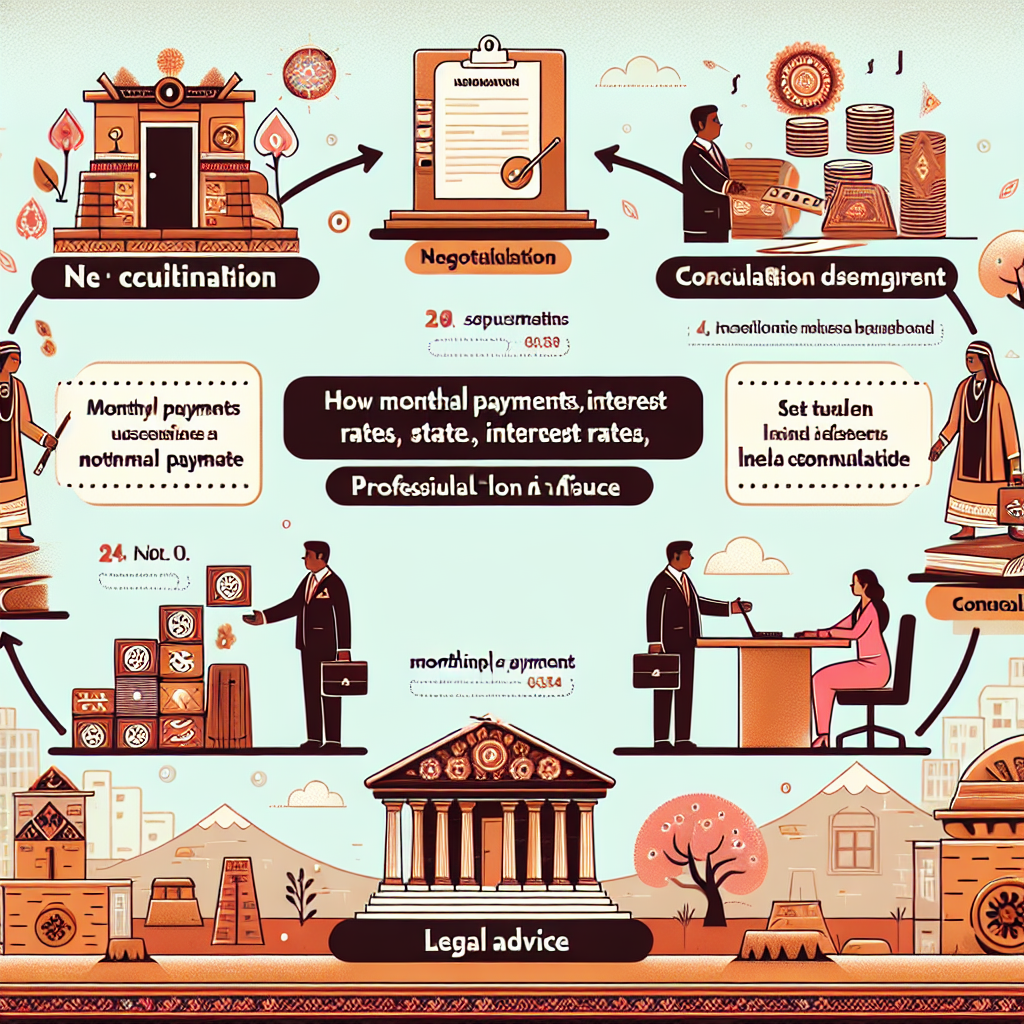
Navigating the complexities of debt can be an overwhelming experience, especially when financial hardships make it impossible to keep up with monthly EMIs. For many borrowers in India, reaching a "One-Time Settlement" (OTS) is a strategic way to close a debt trap. However, understanding the minimum settlement amount for personal loan accounts is crucial to ensuring you don't overpay while successfully discharging your liability.
A personal loan settlement is essentially a contract between the borrower and the lender where the bank agrees to accept a lower amount than the total outstanding balance and considers the loan "settled." While this provides immediate relief from recovery pressure, it carries significant implications for your CIBIL score and future borrowing capacity. This guide provides a deep dive into the legal frameworks, negotiation tactics, and mathematical realities of settling your personal debt in the current 2026 financial landscape.
Understanding the Legal Framework of Loan Settlements in India
Loan settlements are not merely informal agreements; they are governed by specific Reserve Bank of India (RBI) guidelines and internal bank policies. Banks generally prefer recovery over settlement, but when a loan remains an NPA (Non-Performing Asset) for more than 90 to 180 days, they become more open to negotiations.
The Role of RBI Guidelines (2025-2026 Updates)
Recent updates from the RBI emphasize "Harmonized Stress Resolution." Lenders are now encouraged to offer transparent settlement windows, particularly during the March year-end cycle. The minimum settlement amount for personal loan accounts is usually determined by the bank's "Net Present Value" (NPV) calculation of the recovery cost versus the immediate cash inflow.
Why Banks Agree to Settle
Provisioning Requirements: Banks must set aside capital for bad loans. Settling allows them to "clean" their balance sheets.
Cost of Recovery: Legal litigation in DRTs (Debt Recovery Tribunals) or civil courts can be expensive and time-consuming.
Asset Classification: Moving an account from "Doubtful" to "Closed" (even if settled) improves the bank’s NPA ratio.
Factors Determining the Minimum Settlement Amount for Personal Loan
There is no "fixed" percentage etched in law, but industry standards and legal precedents suggest that the minimum settlement amount for personal loan typically ranges between 25% and 50% of the total outstanding amount.
1. The Age of the Default
The longer the loan has been in default, the higher the discount the bank might offer. A debt that is 2 years old is often "cheaper" to settle than one that is only 6 months overdue.
2. Type of Lender
Public Sector Banks (PSBs): Often have rigid OTS schemes with fixed formulas.
Private Banks: More flexible but aggressive in initial recovery phases.
NBFCs: Often willing to settle for lower amounts to recover principal quickly.
3. Principal vs. Interest
Banks are generally more willing to waive off "penal interest" and "late payment fees" than the actual principal amount. A successful negotiation targets the total waiver of interest, leaving only a fraction of the principal to be paid.
Using a Bank Settlement Calculator for Strategic Planning
Before approaching your lender, you must perform your own due diligence. A bank settlement calculator isn't just a digital tool; it’s a methodology for understanding what you can afford versus what the bank will accept.
The Settlement Formula
Typically, banks look at the Principal Outstanding. Any amount offered below the principal is considered a "deep haircut."
Component | Regular Demand | Settlement Target |
Principal Amount | 100% | 40% - 60% |
Accrued Interest | 100% | 0% - 10% |
Penal Charges | 100% | 0% (Total Waiver) |
Estimating Your Offer
To use a manual bank settlement calculator approach, follow these steps:
Sum your total outstanding (Principal + Interest).
Subtract all penal charges and late fees.
Calculate 30% of the remaining balance. This is usually your "Starting Offer."
Calculate 50% of the balance. This is usually the "Fair Market Settlement."
Comparative Waiver Calculation: Analysis of Different Banks
Different institutions have different "appetites" for risk and settlement. Below is a comparative table of estimated waiver percentages based on current 2026 market trends for unsecured personal loans.
Bank Settlement & Waiver Comparison Table
Bank Category | Expected Waiver (Interest) | Expected Waiver (Principal) | Settlement Threshold |
Large Private Banks (e.g., HDFC, ICICI) | 80% - 100% | 10% - 30% | Higher (40-50% of total) |
Public Sector Banks (e.g., SBI, PNB) | 90% - 100% | 20% - 50% | Moderate (30-40% of total) |
Digital NBFCs / Fintech Lenders | 100% | 40% - 70% | Lower (20-30% of total) |
Foreign Banks | 70% - 90% | 0% - 20% | High (50-70% of total) |
Note: These figures are indicative and vary based on the borrower's financial hardship documentation and the specific "Settlement Melas" held by banks.

Halt Recovery Agent Harassment Legally
Step-by-Step Legal Procedure to Settle Your Personal Loan
Settling a loan requires a blend of financial readiness and legal documentation. If handled incorrectly, you might pay the money and still find the bank's recovery agents at your door.
Step 1: Assessment and Documentation
Gather evidence of your financial hardship (medical reports, termination letters, or business loss statements). This forms the basis of your "Hardship Letter."
Step 2: The Formal Proposal
Write a formal letter to the "Nodal Officer" or the "Settlement Manager." Avoid dealing solely with third-party recovery agents. Mention your intent to reach a minimum settlement amount for personal loan closure.
Step 3: Negotiating the Terms
The bank will likely start at 80%. You should start lower. Use the bank settlement calculator logic to justify your offer. Mention that you are seeking professional assistance from Banking and Finance experts to ensure the process is legally sound.
Step 4: Obtaining the Settlement Letter
CRITICAL: Never pay a single rupee until you have a formal "Settlement Offer Letter" on the bank’s official letterhead. It must state:
The exact settlement amount.
The payment schedule.
A clause stating the "No Dues Certificate" (NDC) will be issued post-payment.
Step 5: Payment and Closure
Ensure payments are made through trackable channels (NEFT/RTGS/Cheque). Once paid, follow up for your NDC.
The CIBIL Impact: Settlement vs. Closure
It is a common misconception that settlement "clears" your credit record.
Closed: Means the loan was paid in full. (Positive for CIBIL)
Settled: Means the bank took a loss. Your CIBIL report will reflect "Settled" for 7 years, making it difficult to get new loans or credit cards.
If you are involved in Litigation or Arbitration regarding your loan, the settlement must be recorded in the court/tribunal to prevent future claims.
Common Pitfalls to Avoid During Negotiation
Paying Without a Letter: Verbal promises from recovery agents have no legal standing.
Ignoring Legal Notices: If you receive a notice under Section 138 (Cheque Bounce) or Section 25 of the Payment and Settlement Systems Act, you need immediate Criminal Law or Civil defense.
Settling Too Early: If you settle within the first 3 months of default, banks rarely offer a deep discount.
How AMA Legal Solutions Can Help
At AMA Legal Solutions, we specialize in Loan Settlement and debt restructuring. Our team acts as a shield between you and aggressive recovery tactics, ensuring that you reach the absolute minimum settlement amount for personal loan accounts through legal leverage.
Whether it involves Drafting complex settlement proposals or representing you in Cyber harassment cases related to digital lending apps, our expertise ensures your rights are protected. We also provide counsel for businesses needing Corporate debt restructuring or individuals dealing with Real Estate loan defaults.
Conclusion
Determining the minimum settlement amount for personal loan accounts is a strategic exercise that requires patience, documentation, and a firm understanding of banking laws. While a bank settlement calculator can provide a numerical baseline, the actual "haircut" you receive depends on the strength of your legal negotiation.
Remember, a settlement is a second chance at financial freedom. However, it must be executed with precision to avoid future legal liabilities. If you are struggling with mounting debt and need an authoritative voice to negotiate on your behalf, contact AMA Legal Solutions today. Let us help you navigate the path from debt to dignity with professional legal strategy.
Need Strategic Legal Defense for Your Situation?
Our banking & litigation advocates review your notices, debt liability, and recovery issues under complete advocate-client secrecy.

AMA Legal Solutions
Trusted with a 4.7 Google Rating, over 10,000+ Clients Served, 25,000+ Cases Handled, and more than 40+ Years of Experience in providing strategic legal defense and debt resolution across India.
Our media coverages





Client Reviews
"AMA Legal Solutions assisted me throughout the loan settlement process. Their strategic approach ensured the best outcome."
Rajesh Khanna
"The insights provided by AMA Legal Solutions helped me secure a favorable settlement. Their expertise is unmatched."
Rahul Sharma
"AMA Legal Solutions provided exceptional service in my loan settlement case. Their guidance made a complex process simple."
Priya Gupta
"A reliable firm with knowledgeable professionals. Their support in my personal loan settlement was invaluable."
Aditi Patel
"Expert advice from AMA helped me understand the consequences of loan settlement clearly. Highly recommended!"
Karan Mehta
Frequently Asked Questions
Related Articles
RuPay Credit Card on UPI Default & Credit Line on UPI Settlement (2026)
Micro-transactions on RuPay UPI Credit Cards and pre-approved 'Credit Lines on UPI' have triggered a massive wave of 42%+ APR revolving debt traps. Find out if defaulting blocks your personal savings UPI and how to settle RuPay UPI credit dues for 30%–50%.
Read Article
Paytm, PhonePe & BharatPe Daily EDI Merchant Loan Settlement (2026)
Drowning in Equated Daily Installment (EDI) merchant loans where 100% of your daily QR Soundbox collections are auto-swept before you can pay suppliers or rent? Learn how retail shopkeepers and MSMEs legally halt QR sweeps and negotiate a 50%+ OTS.
Read Article
Can Bank or Loan App Remotely Lock Phone for EMI Default? RBI Rules (2026)
An investigative breakdown of RBI's Remote Device Locking Directions—explaining why lenders cannot lock your phone for personal loans, the mandatory 30/60 DPD safeguards on financed devices, the Rs. 250/hour delay penalty, and how to settle device & app loans.
Read ArticleAbout Author
Anuj Anand Malik
View ProfileAnuj Anand Malik, Founder of AMA Legal Solutions, is a trusted advocate, loan settlement expert, legal advisor, and banking lawyer. With over a decade of experience in loan settlement, corporate law, financial disputes, and compliance, he leads a result-driven law firm based in India that helps individuals, startups, and businesses achieve legal and financial stability.
Connect on LinkedInNeed Legal Representation?
Evaluate your defense against recovery agents, notices, or structure your loan settlement directly with Senior Advocates.
Call +91-8700343611