Personal Loan Settlement in India: Legal Strategies and RBI Guidelines
Navigate the complexities of personal loan settlement in India.

Anuj Anand Malik
Reviewed by AMA Legal Solutions
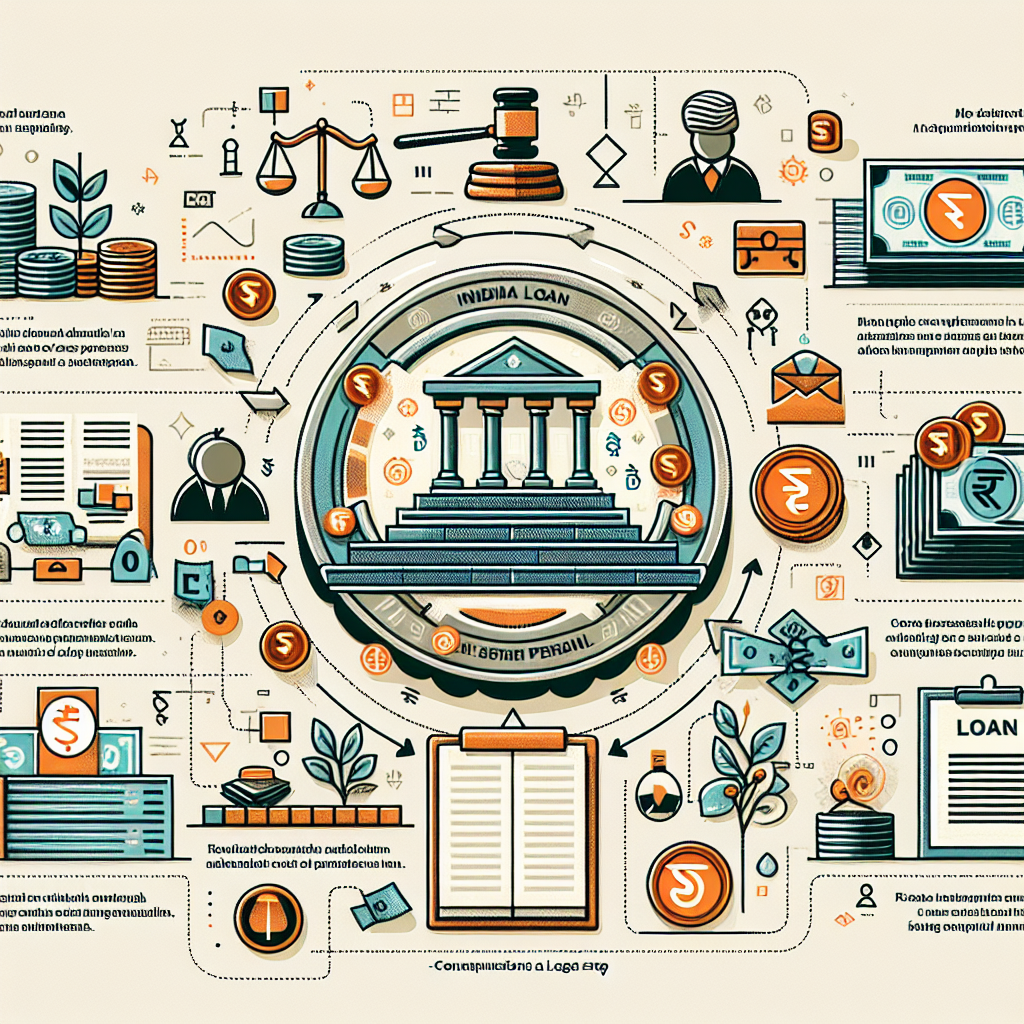
What is Personal Loan Settlement?
In today's fast-paced financial world, personal loans have become a convenient means for many to attain their personal and professional goals, whether buying a new vehicle, funding education, or managing an emergency. However, the complexities surrounding repayment sometimes necessitate loan settlement, a topic that, although common, is often shrouded in mystery and misinformation. In this detailed guide, we aim to demystify personal loan settlement, offering insights and practical tips to help you manage your financial liabilities effectively and with due diligence.
For many borrowers in India, the term "personal loan settlement" brings to mind a host of emotions, often more confusion than comfort. As interest accrues and financial pressures mount, understanding the nuances of settling a personal loan could make the difference between financial distress and a path towards financial literacy and freedom. This article will explore the depths of personal loan settlement, its implications, and how borrowers can strategically manage this process. We will also highlight the services offered by AMA Legal Solutions that can assist in this financial journey.
Understanding the Concept of Personal Loan Settlement
A personal loan settlement involves a borrower negotiating with the lender to pay a reduced amount than what is initially owed to close the loan account. This is distinct from loan refinancing or restructuring, where terms are modified to make repayment easier. Instead, personal loan settlement is often considered a last resort when the borrower is unable to meet the repayment terms due to dire financial circumstances, thus necessitating negotiations to settle the debt for a lesser sum.
Mechanics of Loan Settlement
The process typically involves the borrower approaching the lender (or vice versa) to discuss the financial challenges they’re facing. This part requires both introspective understanding of one's financial limits and open communication with the lender. The lender then assesses the situation based on the evidence provided and agrees to accept a lower repayment. This lesser amount must be adequate to recover some portion of the outstanding loan, often significantly lower than the total owed amount, but sufficient enough to satisfy the lender's recovery efforts.
After an agreement is reached, the borrower is generally required to pay the negotiated lump sum settlement amount. The intricacies of this transaction can vary, sometimes involving legal documentation to safeguard the interests of both parties.
Once the settlement amount is paid, the loan account is officially “settled,” but not necessarily "closed." Distinction in terminology is crucial, as "settled" implies partial payment, often flagged in credit histories.
There is an immediate impact on the borrower’s credit score, which we will cover subsequently, as credit reporting agencies typically view settled accounts less favorably compared to fully paid ones.
Legal Aspects of Personal Loan Settlement
The settlement process is not without its legal ramifications. It is crucial for borrowers to understand the legal terrain before navigating loan settlements. While Indian law does not explicitly codify personal loan settlements, it frames the context for fair practice within various regulations enforced by the Reserve Bank of India (RBI). This regulatory oversight ensures that settlement processes respect legal boundaries and ethical financial practices.
Regulatory Framework Governing Loan Settlements
The Reserve Bank of India (RBI) sets out guidelines on loan provisioning and recovery, which largely affect how settlements unfold. Lenders are required to maintain provisions for bad loans and adhere to strict fair practice codes, ensuring borrower rights are respected and settlements are conducted ethically. However, the exact terms of settlement are usually case-specific and require intensive negotiation to accommodate unique borrower circumstances.
Lenders must follow due diligence before agreeing to settlements, ensuring the borrower's financial distress is adequately documented and valid.
Any negotiation outcomes should be properly documented and communicated to all relevant parties to avoid future disputes. This documentation often involves legal contracts that define post-settlement obligations and rights.
Role of Debt Recovery Tribunals (DRT) in Settlements
Debt Recovery Tribunals (DRT) can play a pivotal role where disputes arise. These judicial bodies help ensure that both borrower and lender adhere to their agreed terms, serving as a legal forum for resolution. DRT's intervention is an assurance of unbiased judgment on disputes regarding repayment terms, ensuring lawful enforcement of economic obligations.
Impact on Credit Score
One of the most critical considerations during loan settlements is the aftermath on a borrower's credit score. Credit Information Companies like CIBIL mark settlements adversely because the borrower did not repay the full loan amount. It's essential to understand how this impacts future financial activities.
Understanding the 'Settled' vs 'Closed' Markings
After settling a loan, your credit report may indicate the account as "settled" rather than "closed" or "paid in full," which can negatively influence your creditworthiness in the future. This can significantly affect several financial scenarios:
Future loan applications can be more challenging; lenders might view a settled status as a red flag indicating previous financial instability or unreliability.
Your overall credit score may be lowered, affecting your eligibility and terms for other financial products, such as credit cards or mortgage loans. A lower credit score could potentially lead to higher interest rates or security deposits when seeking new lines of credit.

Halt Recovery Agent Harassment Legally
Steps to Navigate a Personal Loan Settlement
Effectively managing a loan settlement requires strategic planning and informed decision-making. Here are the steps borrowers should consider:
1. Assess Your Financial Situation
Before considering loan settlement, take a comprehensive view of your finances. This involves accurately calculating the total outstanding amount and comparing it with your current financial capability to service the debt. Knowing your financial position helps in negotiating, as it provides clarity on what you can realistically offer as a settlement.
2. Contact Your Lender
Initiate and maintain clear communication with your lender to explore settlement options. Transparency about your situation can facilitate better negotiation terms. Honesty in your financial struggles can at times elicit empathy from lenders, who might be willing to propose flexible settlement terms.
3. Document Everything Thoroughly
Ensure that all discussions and agreements are documented in writing. This written record is essential for future references and becomes critical if legal assistance is required. Documented communications serve as evidence of agreed terms and the borrower's good faith in reaching a resolution.
4. Engage in Negotiation Efforts
Engage in negotiations to agree on a feasible settlement amount. Lenders might consider several factors, including:
Lump-sum payment offers, which might be attractive if the borrower can secure funds from other sources such as family or friends.
Explaining changes in income levels or unforeseen medical emergencies can be effective in justifying the inability to meet original loan terms.
5. Seek Professional Financial and Legal Advice
Consult with financial advisors or legal experts, especially those specializing in loan settlements, such as AMA Legal Solutions. Professional guidance ensures that you're protected legally and financially throughout the settlement process. A specialist's insight can not only streamline negotiations but also help minimize adverse effects on your credit profile.
Pros and Cons of Personal Loan Settlement
Understanding the advantages and disadvantages of personal loan settlement can inform better decisions and lead to informed financial strategies.
Benefits of Loan Settlement
Immediate relief from financial burdens, helping borrowers regain stability and focus on other financial obligations without the stress of mounting debt.
Avoidance of legal actions and asset seizures, which could otherwise result from defaults or prolonged non-payments.
A pragmatic solution during financial difficulties, offering a controlled method of managing debt without resorting to insolvency proceedings.
Drawbacks of Loan Settlement
Negative impact on credit scores, leading to potential difficulties in securing future credit on favorable terms.
Potential challenges in future credit applications due to a tainted credit history marked with “settled” status entries.
Possible tax obligations on the forgiven debt amount, as the forgiven portion can sometimes be considered taxable income according to current financial regulations.
Case Studies and Real-Life Examples
To bring these concepts to life, consider the following real-world scenarios that encapsulate personal loan settlement experiences:
Case Study 1: Negotiating with a Major Bank
Rahul, a salaried employee in Pune, had taken a personal loan of ₹5 lakh. Due to unforeseen medical expenses, he struggled to meet his monthly obligations. By engaging directly with the bank and demonstrating his financial predicament, Rahul successfully negotiated a settlement for ₹3 lakh. Although this impacted his credit score, it allowed him to rebuild his finances without ongoing stress, offering relief from unsustainable debt repayment pressure and allowing a focused rebuild of his savings and financial health.
Case Study 2: Small Business Owner’s Settlement
Juhi, an entrepreneur running a small business, faced a downturn due to volatile market conditions, leading to an unsustainable personal loan. By collaborating with her financial advisor and leveraging projections of her business's potential recovery, Juhi achieved a settlement that was beneficial for both her and the lender. This strategic maneuver allowed her to stabilize business operations while adhering to a feasible financial recovery plan.
Navigating Financial Relief and Future Strategies
In conclusion, personal loan settlement presents both opportunities and challenges. While it offers relief to those financially burdened, it demands careful consideration of accompanying long-term impacts, especially on credit scores. With meticulous planning, transparent communication with lenders, and seeking professional advice, borrowers can turn this seemingly daunting process into a strategic financial step.
At AMA Legal Solutions, we provide tailored guidance to clients navigating the intricacies of loan settlements, ensuring ethical engagement and strategic financial planning. Helping you achieve financial wellness effectively, we invite you to contact us to explore how we can assist you in making informed decisions through every step of your financial journey.
Need Strategic Legal Defense for Your Situation?
Our banking & litigation advocates review your notices, debt liability, and recovery issues under complete advocate-client secrecy.
AMA Legal Solutions
Trusted with a 4.7 Google Rating, over 10,000+ Clients Served, 25,000+ Cases Handled, and more than 40+ Years of Experience in providing strategic legal defense and debt resolution across India.
Our media coverages





Client Reviews
"AMA Legal Solutions provided exceptional guidance during my loan settlement. Their expertise helped reduce my financial stress significantly."
Arjun Verma
"A comprehensive understanding of the process and outstanding support. AMA Legal Solutions alleviated a considerable amount of stress during our financial difficulties."
Sandeep Kaur
"An invaluable resource for understanding personal loan settlement. Their insight into negotiations has been crucial for my financial recovery."
Nisha Rao
"Professional and knowledgeable team. They guided me through each step of my loan settlement with patience and clarity."
Raghav Singh
"The detailed approach taken by AMA Legal Solutions during my settlement negotiations made all the difference. Highly recommend their services."
Preeti Menon
Frequently Asked Questions
Related Articles
RuPay Credit Card on UPI Default & Credit Line on UPI Settlement (2026)
Micro-transactions on RuPay UPI Credit Cards and pre-approved 'Credit Lines on UPI' have triggered a massive wave of 42%+ APR revolving debt traps. Find out if defaulting blocks your personal savings UPI and how to settle RuPay UPI credit dues for 30%–50%.
Read Article
Paytm, PhonePe & BharatPe Daily EDI Merchant Loan Settlement (2026)
Drowning in Equated Daily Installment (EDI) merchant loans where 100% of your daily QR Soundbox collections are auto-swept before you can pay suppliers or rent? Learn how retail shopkeepers and MSMEs legally halt QR sweeps and negotiate a 50%+ OTS.
Read Article
Can Bank or Loan App Remotely Lock Phone for EMI Default? RBI Rules (2026)
An investigative breakdown of RBI's Remote Device Locking Directions—explaining why lenders cannot lock your phone for personal loans, the mandatory 30/60 DPD safeguards on financed devices, the Rs. 250/hour delay penalty, and how to settle device & app loans.
Read ArticleAbout Author
Anuj Anand Malik
View ProfileAnuj Anand Malik, Founder of AMA Legal Solutions, is a trusted advocate, loan settlement expert, legal advisor, and banking lawyer. With over a decade of experience in loan settlement, corporate law, financial disputes, and compliance, he leads a result-driven law firm based in India that helps individuals, startups, and businesses achieve legal and financial stability.
Connect on LinkedInNeed Legal Representation?
Evaluate your defense against recovery agents, notices, or structure your loan settlement directly with Senior Advocates.
Call +91-8700343611