Legal Emergency: Navigating Your Rights and Options in 2026
Understand your rights and the steps to take during a legal emergency with expert guidance.

Anuj Anand Malik
Reviewed by AMA Legal Solutions

Key Takeaways: A legal emergency demands immediate protection of rights, which includes understanding your right to legal counsel and interventions against wrongful actions. Knowing the statutory frameworks ensures proper navigation through urgent legal situations, leveraging constitutional rights to prevent harm and secure timely justice.
Legal Emergency: Navigating Your Rights and Options in 2026
A Complete Guide by AMA Legal Solutions | Understanding Your Legal Rights, Emergency Remedies and Access to Legal Assistance in India
A legal emergency can arise without warning—whether it involves police action, arrest, domestic violence, financial fraud, cybercrime, property disputes, workplace harassment, loan recovery harassment or an urgent court matter. In such situations, knowing your legal rights and taking timely action can make a significant difference to the outcome.
In India, individuals and businesses have several legal remedies available to protect their interests, seek immediate assistance and challenge unlawful actions. However, confusion about legal procedures, lack of awareness and delayed action often make an already difficult situation worse.
In 2026, understanding how to respond to a legal emergency is more important than ever. This guide explains common legal emergencies, the rights available under Indian law, the authorities you can approach and the steps you should take to protect yourself.
1. What Is a Legal Emergency?
A legal emergency is a situation requiring immediate legal attention because a person's safety, liberty, financial interests, property, reputation or legal rights may be at risk.
Unlike routine legal disputes, emergencies often involve strict deadlines, immediate threats or the possibility of irreversible consequences.
Some common examples include:
Criminal emergencies: Arrest, police detention, criminal intimidation, assault or unlawful police action.
Financial emergencies: Banking fraud, unauthorised transactions, loan recovery harassment or cheque bounce proceedings.
Family emergencies: Domestic violence, child custody concerns, threats, matrimonial disputes or maintenance issues.
Property emergencies: Illegal possession, unauthorised construction, property fraud or forcible eviction.
Cyber emergencies: Online financial fraud, identity theft, blackmail, hacking or misuse of personal information.
Business emergencies: Contractual breaches, regulatory notices, commercial disputes and urgent injunction requirements.
Recognising the nature of the emergency is the first step towards choosing the correct legal remedy.
2. What Should You Do Immediately During a Legal Emergency?
When faced with an urgent legal situation, your immediate response should focus on safety, evidence preservation and obtaining appropriate legal assistance.
Follow these steps:
Step 1: Prioritise personal safety
If you or someone else is facing physical danger, contact emergency services immediately. Do not attempt to resolve a violent or threatening situation through confrontation.
Step 2: Preserve all available evidence
Keep copies of relevant documents, photographs, videos, call recordings where lawfully obtained, emails, WhatsApp messages, bank statements, payment receipts and notices. Evidence may become important during police investigations or court proceedings.
Step 3: Record the sequence of events
Prepare a written timeline mentioning dates, locations, individuals involved, conversations and actions taken. This can help your lawyer understand the matter and identify the appropriate legal remedy.
Step 4: Approach the appropriate authority
Depending on the issue, you may need to approach the police, a cybercrime cell, a regulatory authority, a consumer commission, a court or another statutory body.
Step 5: Consult a lawyer without unnecessary delay
A lawyer can assess the facts, explain your legal position, identify applicable laws and advise whether an immediate complaint, legal notice, bail application, injunction or court proceeding is required.
3. Know Your Legal Rights During Police Action and Arrest
Criminal law emergencies require particular attention because they may directly affect an individual's personal liberty and constitutional rights.
India's new criminal law framework, including the Bharatiya Nyaya Sanhita, 2023 (BNS) and Bharatiya Nagarik Suraksha Sanhita, 2023 (BNSS), came into force on 1 July 2024.
The BNSS provides procedural safeguards concerning arrest, detention, investigation and access to legal representation.
Important legal protections include:
Right to know the grounds of arrest: Under Article 22(1) of the Constitution, an arrested person must be informed of the grounds of arrest and cannot be denied the right to consult and be defended by a legal practitioner of their choice.
Right to inform a relative or friend: Section 48 of the BNSS provides for informing a nominated relative, friend or other person about the arrest.
Right to meet an advocate: Section 38 of the BNSS recognises an arrested person's right to meet an advocate of their choice during interrogation, though not throughout the interrogation.
Production before a Magistrate: Article 22(2) of the Constitution protects against detention beyond 24 hours without production before the nearest Magistrate, excluding the time necessary for the journey.
Protection against arbitrary arrest: Section 35 of the BNSS governs arrest without a warrant and provides for notice of appearance in specified circumstances.
If you receive a police notice, summons or communication regarding a criminal investigation, do not ignore it. Seek legal advice and understand your obligations before responding.
India Code+2
4. Financial Fraud and Banking Emergencies: How to Protect Yourself
Digital payments, online banking and financial services have made transactions easier, but financial fraud can create immediate legal and financial complications.
Common financial emergencies include:
Unauthorised UPI transactions.
Credit card fraud and unauthorised withdrawals.
Online banking fraud.
Identity theft and misuse of financial information.
Loan account disputes and incorrect outstanding balances.
Unlawful recovery practices by financial institutions or recovery agents.
What should you do if you become a victim of financial fraud?
Immediately contact your bank and request that the affected account, card or payment instrument be secured.
Report financial cyber fraud by calling 1930.
Register your complaint through the National Cyber Crime Reporting Portal.
Preserve transaction IDs, bank messages, screenshots and other supporting documents.
Obtain the complaint acknowledgement and follow up with the concerned bank and investigating authority.
The Government's cybercrime reporting system is designed to facilitate prompt reporting and coordination with financial institutions to help prevent the further movement of fraudulent funds. Early reporting is important, although recovery of the money is not guaranteed.
Official reporting portal: National Cyber Crime Reporting Portal.
Cybercrime+2
What if a bank or financial institution is harassing you?
Borrowers have legal rights even when they have outstanding loans or unpaid credit card dues.
Financial institutions and their recovery agents must follow applicable RBI instructions and lawful recovery procedures. Borrowers should not be subjected to threats, intimidation, abusive language or unlawful pressure.
If you are facing recovery-related harassment:
Maintain records of calls, messages and communications.
Preserve details of the recovery agency and the concerned financial institution.
Submit a written complaint to the bank or NBFC.
Escalate the matter through the appropriate RBI grievance mechanism where applicable.
Seek legal advice if the conduct involves threats, intimidation, unlawful disclosure of personal information or other legal violations.
A genuine financial liability does not eliminate your right to dignity, privacy and lawful treatment.
5. Domestic Violence, Women's Safety and Family Emergencies
Legal emergencies involving domestic violence, stalking, threats, physical assault or harassment require immediate intervention.
The Protection of Women from Domestic Violence Act, 2005 provides civil remedies to women facing domestic violence.
Depending on the circumstances, available remedies may include:
Protection orders.
Residence orders.
Monetary relief.
Custody orders.
Compensation orders.
Interim and ex parte orders in appropriate cases.
A woman facing domestic violence can approach the police, a Protection Officer, a Magistrate or an appropriate service provider.
Important emergency contacts:
Service | Helpline |
|---|---|
National Emergency Response | 112 |
Women Helpline | 181 |
Women Police Helpline | 1091 |
Child Helpline | 1098 |
National Legal Aid | 15100 |
The availability and routing of certain services may vary by state.
Women and children can also access support through government One Stop Centres, which provide coordinated assistance to women affected by violence.
National Portal of India+2
6. Cybercrime, Online Harassment and Digital Blackmail
Cybercrime is no longer limited to financial fraud. Individuals may face online impersonation, social media harassment, account hacking, cyberstalking, blackmail, circulation of private photographs and identity theft.
Such incidents can cause serious reputational, emotional and financial damage.
If you experience cybercrime, consider these actions:
Do not delete relevant messages, emails or account notifications.
Capture screenshots showing the sender, date, time and relevant communication.
Preserve original URLs, account details and transaction information.
Report financial cyber fraud immediately through 1930.
Report other cyber offences through the National Cyber Crime Reporting Portal or the appropriate police authority.
Consult a lawyer to assess the criminal and civil remedies available.
Depending on the facts, offences may be covered under the Bharatiya Nyaya Sanhita, 2023 and the Information Technology Act, 2000.
Where private or sensitive content is being circulated, obtaining appropriate legal assistance quickly can be important in seeking lawful removal, investigation and other protective remedies.
Key Insights & Data Infographic
Visual summary, statistical trends & procedural breakdown
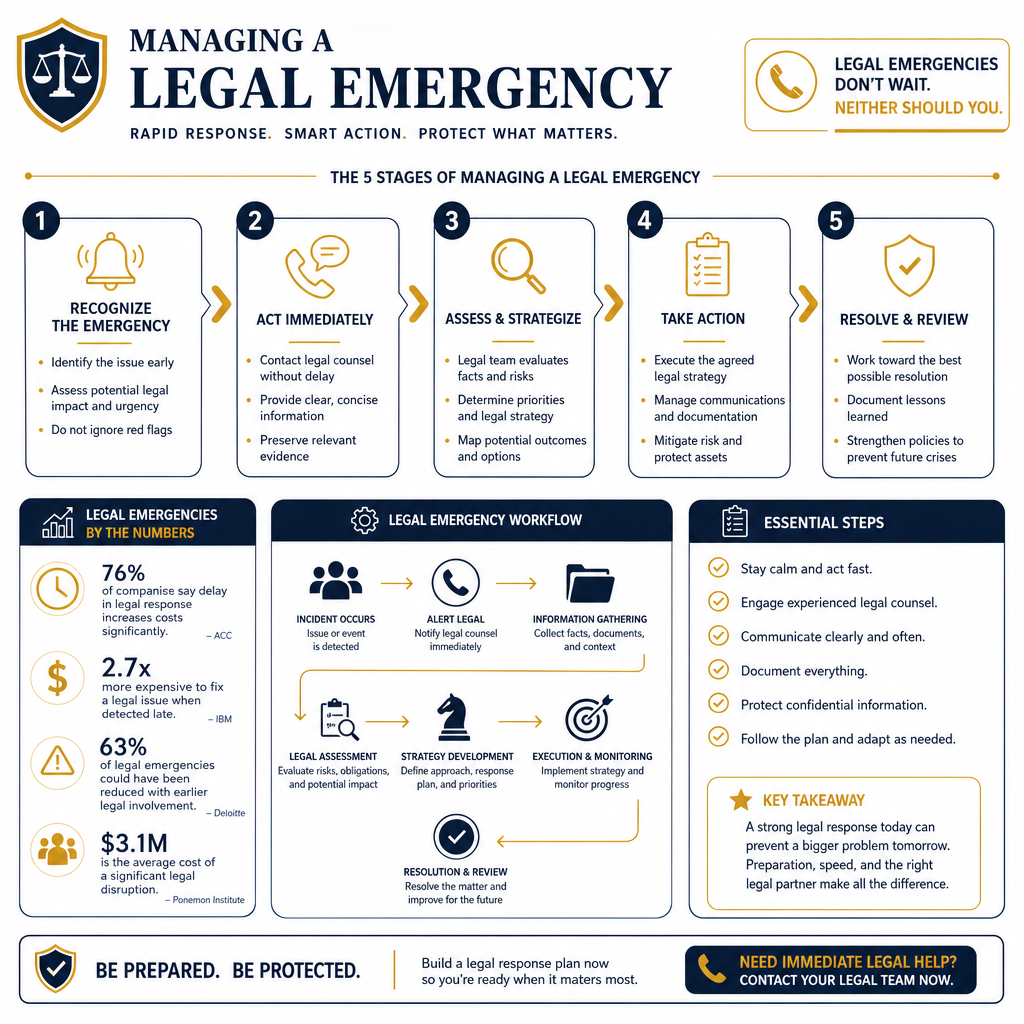
Prepared by AMA Legal Solutions Research & Analytics Team • Data & Compliance Overview

Credit Card & Personal Loan Settlement With Your Bank
7. Property Disputes and Illegal Possession: Immediate Legal Remedies
Property-related emergencies can arise when someone attempts to occupy your property illegally, interferes with possession, creates forged ownership documents or threatens unlawful eviction.
Some common situations include:
Illegal occupation of residential or commercial property.
Forged sale deeds or property documents.
Disputes concerning inheritance and succession.
Unauthorised transfer of ownership.
Threatened dispossession.
Breach of property agreements.
Legal remedies may include:
Filing an appropriate civil suit for injunction.
Seeking temporary or interim protection from a competent court.
Initiating appropriate criminal proceedings where forgery, cheating, trespass or other offences are disclosed.
Seeking possession or recovery of property through the appropriate legal process.
Challenging fraudulent documentation through suitable proceedings.
Under the Code of Civil Procedure, 1908, Order XXXIX Rules 1 and 2 provide for temporary injunctions in specified circumstances.
An important precaution: Do not attempt forcible eviction or physical confrontation. Document the situation and seek urgent legal advice about the appropriate proceedings.
8. Business and Corporate Legal Emergencies
Businesses can also face situations requiring immediate legal intervention. A delayed response to a contractual or regulatory dispute can expose a company to financial losses, litigation and operational disruption.
Some common business emergencies include:
Non-payment of invoices by customers or vendors.
Breach of commercial agreements.
Cheque dishonour proceedings under Section 138 of the Negotiable Instruments Act, 1881.
Intellectual property infringement.
Unauthorised use of trademarks.
Employee fraud and confidentiality breaches.
Arbitration notices and commercial litigation.
Regulatory notices and statutory compliance disputes.
Businesses should preserve agreements, invoices, correspondence, payment records, board resolutions and other relevant documents.
Depending on the matter, a lawyer may recommend a legal notice, commercial recovery proceedings, arbitration, mediation, an injunction or another appropriate legal remedy.
For businesses, early legal intervention is not merely about defending a dispute; it is also about protecting commercial interests and reducing avoidable litigation risks.
9. How to Access Free Legal Assistance in India in 2026
Access to legal representation should not be restricted to individuals who can afford private legal services.
The Legal Services Authorities Act, 1987 provides a framework for free legal services to eligible persons.
Under Section 12, specified categories of individuals may qualify for free legal aid, including:
Women and children.
Members of Scheduled Castes and Scheduled Tribes.
Persons with disabilities.
Victims of human trafficking.
Industrial workmen.
Persons in custody.
Victims of mass disasters and certain forms of violence.
Individuals meeting the applicable income eligibility criteria.
Eligible individuals can approach the National Legal Services Authority (NALSA), State Legal Services Authorities (SLSA) or District Legal Services Authorities (DLSA).
Free legal aid helpline
15100
You can call 15100 to seek assistance regarding legal aid and the process for accessing legal services.
Official website: National Legal Services Authority.
India+2
10. Why Timely Legal Consultation Matters
One of the biggest mistakes people make during a legal emergency is waiting until the situation becomes complicated before consulting a lawyer.
Legal proceedings often involve statutory deadlines, procedural requirements and specific documentation. Missing an important deadline or responding incorrectly to a legal notice can affect your available remedies.
A legal consultation can help you:
Understand your rights and legal obligations.
Identify the applicable laws and legal provisions.
Determine whether immediate police or court intervention is necessary.
Prepare complaints, replies, representations and legal notices.
Explore mediation, arbitration or negotiated settlements.
Protect your financial, personal and business interests.
Develop an appropriate legal strategy based on the facts.
Every legal emergency is different. The correct course of action depends on the nature of the dispute, available evidence, applicable law and urgency of the situation.
11. Important Legal Emergency Helpline Numbers in India
Keep these essential contact numbers accessible:
Emergency or service | Contact number |
|---|---|
National Emergency Services | 112 |
Cyber Financial Fraud | 1930 |
Women Helpline | 181 |
Police | 100 |
Ambulance | 102 |
Child Helpline | 1098 |
National Legal Aid (NALSA) | 15100 |
National Consumer Helpline | 1915 |
For updated information and availability, refer to the relevant government portals.
Source: Government of India – Helpline Directory.
12. How AMA Legal Solutions Can Help You
ALFAJURIS | Distinguished Law Firm in Delhi, India - Criminal, Cyber & Corporate Law
At AMA Legal Solutions , we believe that access to timely legal guidance is essential for protecting individual rights and business interests.
Our team provides legal assistance across multiple practice areas, helping individuals, entrepreneurs, startups and businesses understand their legal options and take appropriate action.
Our key legal services include:
1. Banking and Finance Law
Assistance with banking disputes, loan-related legal matters, credit card disputes, borrower rights and financial recovery matters.
2. Legal Recovery Services
Legal assistance for banks, NBFCs, businesses and creditors seeking to recover outstanding dues through appropriate legal procedures.
3. Debt Settlement and Borrower Protection
Legal assistance in loan settlement, debt resolution, recovery agent harassment and disputes involving financial institutions.
4. Arbitration and Commercial Disputes
Representation and assistance in arbitration proceedings, contractual disputes, commercial recovery and dispute resolution.
5. Property and Real Estate Law
Legal assistance with property disputes, documentation, ownership issues, possession disputes and property-related litigation.
6. Intellectual Property Rights
Trademark registration, brand protection, copyright matters and intellectual property disputes.
7. Civil and Criminal Litigation
Legal consultation, drafting, representation and assistance in appropriate civil and criminal proceedings.
8. Will Drafting and Succession Planning
Assistance with will preparation, estate planning, inheritance matters and succession-related legal documentation.
Our objective is to provide practical legal solutions that help clients understand their rights, manage disputes and make informed legal decisions.
Whether you are an individual facing an unexpected legal problem or a business dealing with a complex commercial dispute, obtaining the right legal guidance at the right time can make a difference.
Conclusion: Be Aware, Be Prepared and Protect Your Legal Rights
A legal emergency can affect anyone, regardless of their financial position, profession or background. The difference between a manageable legal problem and a complicated dispute often lies in how quickly and correctly the situation is addressed.
In 2026, awareness of Indian laws, access to legal assistance and proper documentation remain essential for protecting your rights.
Do not ignore legal notices, delay reporting criminal or financial offences, or make decisions under pressure without understanding their legal consequences.
Know your rights. Preserve your evidence. Seek professional legal guidance.
At AMA Legal Solutions, we are committed to helping individuals and businesses navigate legal challenges through informed advice, strategic legal assistance and effective dispute resolution.
Need Strategic Legal Defense for Your Situation?
Our banking & litigation advocates review your notices, debt liability, and recovery issues under complete advocate-client secrecy.

AMA Legal Solutions
Trusted with a 4.7 Google Rating, over 10,000+ Clients Served, 25,000+ Cases Handled, and more than 40+ Years of Experience in providing strategic legal defense and debt resolution across India.
Our media coverages





Frequently Asked Questions
Related Articles

Bank Appointed Its Own Arbitrator for My Loan: What Should I Do?
Why a bank cannot pick its own judge in your loan dispute and how to settle low.
Read Article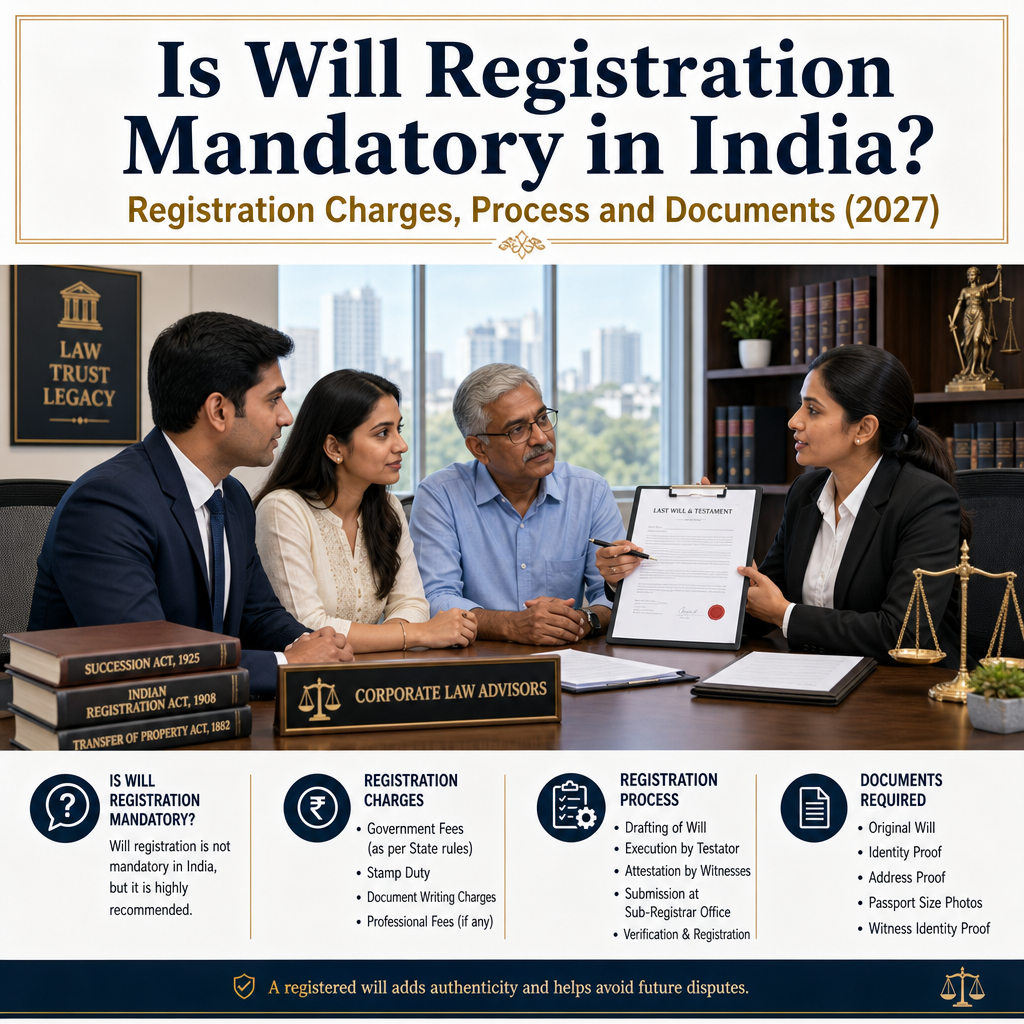
Is Will Registration Mandatory in India? Registration Charges, Process and Documents (2026)
Explore the essentials of will registration in India, including requirements, costs, and step-by-step guidance for 2026.
Read Article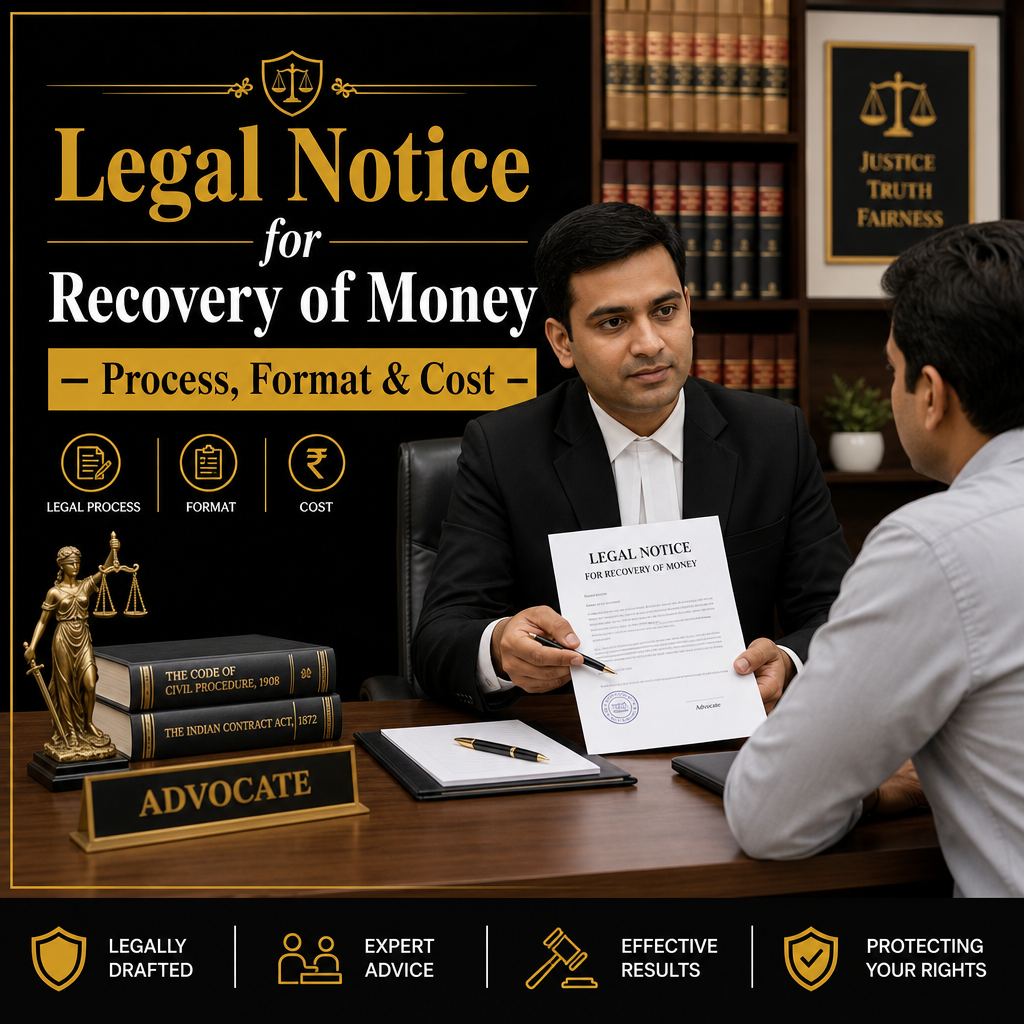
Legal Notice for Recovery of Money – Process, Format & Cost (2026)
Essential insights on issuing legal notices for money recovery in India.
Read ArticleAbout Author
Anuj Anand Malik
View ProfileAnuj Anand Malik, Founder of AMA Legal Solutions, is a trusted advocate, loan settlement expert, legal advisor, and banking lawyer. With over a decade of experience in loan settlement, corporate law, financial disputes, and compliance, he leads a result-driven law firm based in India that helps individuals, startups, and businesses achieve legal and financial stability.
Connect on LinkedInNeed Legal Representation?
Evaluate your defense against recovery agents, notices, or structure your loan settlement directly with Senior Advocates.
Call +91-8700343611